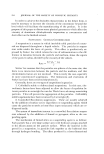
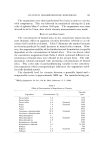
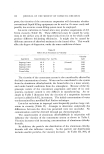
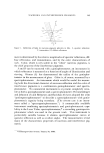
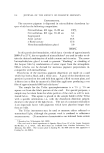
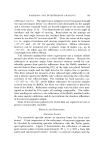
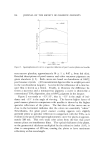
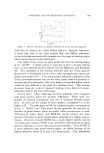
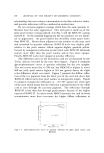
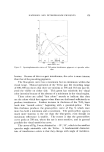
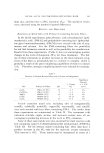
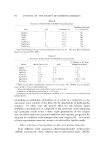
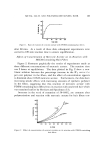
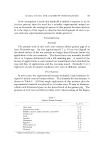
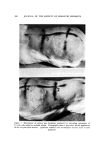
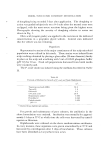
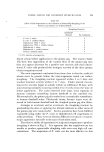
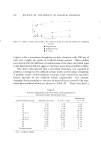
194 JOURNAL OF THE SOCIETY OF COSMETIC CHEMISTS Figure 2. 41 0 .50 IO0 iS0 20o rr•g c½!s (wet weight) Effect of cell concentration (mg cells per gram of artificial sebum) on sloughing severity ß Diphtheroid ß Staphylococcus ß P. ova le respect, with a lnaximum sloughing reaction obtained with 100 mg o[ cells (wet weight) per gram of artificial sebum matrix. Other studies have shown that the addition of combinations of the three microbial types to the lipid matrix did not appear to produce more than an additive effect. The above data showed that a microbial inoctdum was required to produce a change in the artificial sebum which could induce sloughing. A possible source of this material was fatty acids released hy microbio- logical lipolysis of the artificial sebum triglycerides. Gas chroma- tography data pertaining to extracts of irritated areas treated with orga- nisms plus artificial sebum are shown in Table IV. These data show a Table IV Relative Composition of the Free Fatty Acid Component of Extracted Guinea Pig Irritation Sites Diphtheroid Carbon Chain Length Control (AS • only) P. ovale q- AS A q- AS _ 10 12 14 16 16 18 18 (1=) 18 •2=) 20 22 24 Irritation grade 1.41 2.23 14.39 19.52 1 63 9 92 21 98 3 01 3 44 0 83 8 69 0 0.31 0.44 0.98 4.34 7.56 9.52 21.15 24.75 2.45 2.29 12.79 10.30 38,47 36,06 4.32 3.49 1.66 1.73 0,45 0.17 7.18 5.66 3 2 • AS = artificial sebum.

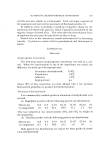
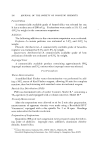
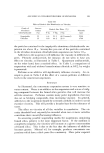
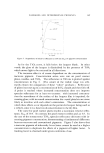
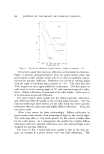
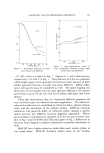
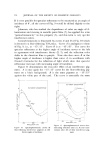
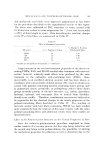
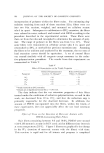
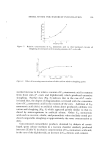
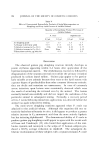
Figure 3. MODEL SYSTEM FOR DANDRUFF INVESTIGATION 195 30- G5 0 ß ß Sloughing Grade Relative concentration of C•s monoenoic acid in ether:methanol extracts ooe sloughing sites irritated with increasing amounts of P. ovale cells o & 7o• ,•o •$o •o •o ml oleic acid/cm z Figure 4. Effect of increasing conccntrations ooe oleic acid on relative sloughing grades marked increase in the relative content of C•.s monoenoic acid in extracts [rom those sites (P. ovale and diphtheroid) which produced extensive sloughing. Further data (Fig. 3) indicate that in the case of P. ovale- irritated sites, the degree o[ desquamation correlated with the concentra- tion o[ C•s monoenoic acid in the extracts of the sites. Addition monoenoic acid (oleic) to artificial sebum alone produced a definite irri- tation and sloughing (Fig. 4) which appeared grossly similar to that in- duced by microorganisms in artificial sebum. Other C•s monoenoic acids such as vaccenic, elaidic, and petroselinic when similarly tested pro- .duced comparable sloughing at approximately the same concentration as oleic. Concentrated extracellular products obtained by dialysis o[ centri- fuged, spent culture medium in a vacuum chamber similarly produced increases (Table V) in relative concentration o[ C•s monoenoic acids and, in the case of the diphtheroid, an increase in C•s dienoic acid content.
Purchased for the exclusive use of nofirst nolast (unknown)
From: SCC Media Library & Resource Center (library.scconline.org)