PREPRINTS OF THE 1998 ANNUAL SCIENTIFIC SEMINAR 187 Significant in determining the source of adverse reactions is the cultural differences in skin cleansing. The normal Japanese cleansing regimen includes the use of several products designed to remove makeup, thoroughly cleanse the skin and prepare the skin for moisturization. This cleansing routine is performed two or more times daily. This strong attention to completely cleansing the skin may result in subclinical irritation, thus making the skin increasingly sensitive towards otherwise innocuous ingredients and products. This is a prime example of Dr. Albert Kligman's concept of "Invisible Dermatology". The Japanese skin is already somewhat compromised by the cultural practice of extensive cleansing, so any new product introduced into the skin care regime may experience an unusual number of complaints in Japan. CONCLUSIONS Market experience has shown there are both real and perceived differences between Caucasian and Japanese populations. There is a real difference in the types of products preferred by the two populations, as well as the types of adverse reactions documented for these products. Sub clinical irritation due in part to extensive cleansing routines may play a large part in the increased rate of irritation. Our clinical evaluations have shown many similarities between the two populations, but both directional and statistical differences were shown in several areas. Japanese skin: * does appear to have differences in skin firmness and resiliency * exhibits a decreased level of actinic damage as seen in higher Fitzpatrick scores, and probably a greater photoprotective capacity, due to increased levels of melanin * has fewer fine lines and wrinkles due in part to safer practices regarding reduction of sun exposure exhibits a lower sebum secretion rate, inferring a reduction in acne prone skin possesses lower levels of ceramides I and 2 differs in the skin surface lipid content from Caucasian skin shows apparent differences in microcirculation and blood flow response which may also be an indicator as to why there are variances in product safety studies of consumer test products when evaluated on Caucasian and Japanese panels for sale in the US and in Japan.

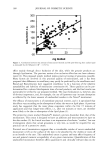
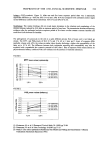
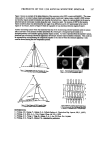
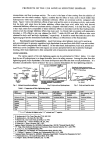
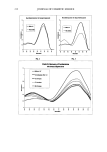
188 JOURNAL OF COSMETIC SCIENCE ASIAN AND CAUCASIAN HAIR- DIFFERENCES OF INFLUENCE FOR THE FORMULATION? J. Kahre•., P. Bush •, B. Salka 2, N. Totani 3 and W. Poly 3 •Henkel KGaA, D-40191 Diisseldorf Germany 2 Henkel Corp., Ambler, PA 19002 3Henkel Japan Ltd., Tokyo, Japan Introduction: Hair is undoubtedly one of the most important features of people in all cultures. For the past several centuries hair has played an important role. Style, length and color changes are influenced by fashion trends. The hair often allows for feelings of health and beauty, and thus its influence is of great importance. Therefore hair has been studied greatly as cited in numerous publications.Three major types of hair are known: african, asian and caucasian hair. The differences of the hair types are related to the diameter, geometry and other physical parameters. Closely related to these parameters are the biophysical factors, tensile strength and combing forces, which might be influenced by cosmetic formulations that are applied to hair. We examined asian and caucasian hair and applied shampoo and conditioner formulations in order to study their effects. Experimental: Bioph¾sical measurements: Asian and caucasian hair from Alkinco New York was used. Tensfie strength and combing forces were measured using a robotic system as described in the literature (1/2). Results: A - Combing Work and Tensile Strength The differences in the morphology (area, thickness, half axes) influence physical properties (see figure I and 2). B - Application of different shampoos The addition of protein hydrolysates increases the tensile strength of damaged hair of both types. A special shampoo for fine hair (94/145/11) shows differences in the objectively measured efficacy. It is best applicable on caucasian hair for which it was developed. It seems that a ,,world formulation" is possible by adjusting the concentration of quaternary polymers (see figure 3, 4 and 5). C - After Hair Treatments The tested formulations have the same efficacy on both hair types. The addition of emol- lients shows more of a increase on asian hair than on caucasian hair (see figure 6 and 7). Conclusion: Due to the differences in the morphology we found differences in the biophysical behavi- our of asian and caucasian hair. We also found differences in the efficacy of shampoo and conditioners. Therefore it is better to develop different products for different hair types. Literature 1) Busch, P., Thiele, K., Fischer, D. Seifen, Ole, Fette, Wachse 108 305-309 (1989) 2) Busch, P. •rztliche Kosrnetologie 19 270-315, 1989
Purchased for the exclusive use of nofirst nolast (unknown)
From: SCC Media Library & Resource Center (library.scconline.org)