288 JOURNAL OF COSMETIC SCIENCE modified Eagle's medium (DMEM) containing 0.48 mg/ml glutamine, 100 IU/ml penicillin, 50 mg/ml streptomycin, and 10% fetal bovine serum (FBS, Gibco BRL) at 37øC in a 5% CO 2 humidified atmosphere. The cells were obtained after the dermis was separated by trypsine. They were then employed upon the fourth passage and mixed for the purpose of testing. Preparation of three-dimensional dermal equivalents system. Three-dimensional dermal equivalents were prepared with a 24-well multichamber plate in the Coulomb B method (29) by mixing type I collagen gel, reconstituted buffer (2.2 g NaHCO3, 4.77 g HEPES made up to 1000 ml 0.06N NaOH), and fibroblasts. The collagen matrix contracted during one day due to an active organization of collagen fibrils by the fibroblasts. After one day, three-dimensional dermal equivalents were maintained as described monolayer cell cultures. Cellprolij•ration. CC-516 was added into the culture system containing DMEM supple- mented with 10% FBS, and the cell proliferation was measured by an MTT assay (30). Collagen synthesis. The activity of CC-516 on the monolayer and three-dimensional cul- ture was measured by the [H3]-proline incorporation method (31). Cells cultured onto 24-well multichamber plates were assayed for confluence. The culture medium was changed to Dulbecco's modified Eagle's medium (DMEM) supplemented with 10% FBS containing 20 mCi/ml L[2,3,4,5-H3]-proline (NEN Chemicals) and incubated at 37øC in 5 % CO2 incubator for 24 hr. The protein concentrations per well were assayed with the protein assay kit (Bio-Rad). After labeling, protease inhibitors were added to the cultures. The media and the cells were mixed and then sonicated. Collagen synthesis was assayed by measuring the radioactivity of the media and cells together after limited degradation with purified bacterial collagenase, according to the method of Peterkofsky et al. (32). The relative rate of collagen synthesis to total protein synthesis was calculated with the assumption that collagen had an amino acid content 5.4 times higher than that of other proteins (33). Collagen synthesis of three-dimensional dermal equivalents was measured in the same manner as the above procedures. ASSAY OF IMPROVEMENTS OF SKIN CONDITION The improvements in skin condition were evaluated for three aspects: moisture content of the skin, skin elastic properties, and wrinkles. The instruments used were the cor- neometer CM 820 (Courage + Khazaka, C+K, Germany) for moisture content of the skin, the cutometer SEM 474 (C+K, Germany) for skin elasticity, and the skin visiom- eter SV 400 (C+K, Germany) for wrinkles. All the percentage values were calculated as: (%) = (value at measuring point - value at initial point)/value at initial point x 100), and the statistical significance of the two test groups was verified by a paired t-test at the significant level, p 0.05. Evaluation of skin moisturizing efficiency was performed by measuring stratum corneum hydration by the capacitance method (34,35). The long-term (six weeks) effects of CC-516 were topically assessed by twenty healthy volunteers with dry to very-dry skin. After application twice daily to cheek and eye regions, measurements were taken before the first treatment and one week, two weeks, four weeks and six weeks after treatment. In order to minimize the risk of treatment errors we routinely limit the number of treatment areas to two groups (cream containing

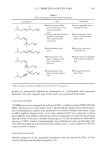
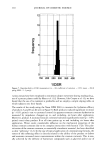
ARECA CATECHU L. EXTRACT 289 3% CC-516, untreated cream as control), and we even prefer the simple left-right control lateral comparison design (36). The cutometer SEM 575 (C+K Electronic GmbH, Germany), which is used for skin elasticity measurements, is based on the suction method. Negative pressure is created in the device, which can be regulated between 20 and 500 mbar. Skin is drawn into the aperture by negative pressure where the skin penetration depth (=ds) is determined by a new non-contact optical measuring system. The optical measuring system consists of a height transmitter and a height recipient. The light intensity will vary due to the penetration depth of the skin. This means the smaller penetration depth, the greater the elasticity. To measure wrinkles by using the image analyzer, we analyzed wrinkles on the monitor by a three-dimensional skin system program, and then measured the number of wrinkle peaks and the depth of the wrinkles. The measuring principle of the skin visiometer SV 400 is based on transmission of a very thin and specially dyed silicon replica. The wrinkles were per- pendicular to the axis of the light beam, and measurements of the number (N) and depth (P) of wrinkles were recorded in this position by the program. Test sites were taken under the eyes and forearm of twelve volunteers. The test sample (cream containing 3% CC-516) was applied to the volunteers twice a day for six weeks on designated test sites (37,38). SEM examination was performed on dyed silicon replicas of the tested areas that had been air-dried, coated with a thin layer of gold-palladium, and viewed in a scanning electron microscope (JSM-840A, Jeol Co.) at 25 kV. RESULTS AND DISCUSSION We previously screened the inhibitory effect on elastase from methanolic extracts of 150 medicinal plants. The Areca catechu extract showed a high inhibitory effect comparable to reference compounds (18). For the inhibitory effect of several solvent extracts on elastase, the ethanolic extract, CC-516, was highest and used as the sample in this study. Table I shows the composition of CC-516, which contains relatively high amounts of protein (26%, w/w) and carbohydrate (37.5%, w/w), and low amounts of lipid (2.8%, w/w). Figure 1 represents the composition and content of amino acids. The presence of alanine, glycine, and proline in CC-516 is worth something, since a basic collagen contains mainly glycine, proline, and alanine. The proline and lysine of amino acids are the biosynthetic precursors to collagen. Table II lists the composition and contents of fatty acids of the hexane fraction. The analysis revealed that the fraction consisted of lauric, myristic, palmitic, stearic, oleic, linoleic, and other acids. Myristic (33.3%) and Table I Composition of CC-516 Protein Carbohydrate Lipid Flavonoid Ash Composition (1) (2) (3) (4) (5) (mg/g) 260 375 34 86 9 (1) Protein concentrations were measured by the Lowry assay (24). (2) The amount of carbohydrate was determined by the phenol-sulfuric assay (25). (3) Total lipid contents were determined by the hexane extraction method. (4) Total flavonoid contents were carried out by using the photometric method of 280-nm absorption detection (26). (5) Ash contents were determined by heating in a muffle furnace (600øC, 6 hr).
Purchased for the exclusive use of nofirst nolast (unknown)
From: SCC Media Library & Resource Center (library.scconline.org)