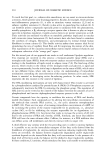
230 JOURNAL OF COSMETIC SCIENCE Table I Moisture Holding Ability of Selected Natural Humectants (% at RT, 65-70% RH) Material 1 Day 5 Days Sodium lactate 90% 25 % Sodium PCA 70% 30% Glycerin 50% 5 % Protein hydrolyzate 20% 10% Sodium hyaluronate 388% 98% maintained within (+) 2% for the length of the study. Results showing the comparative superiority of glycerin at this low RH condition are summarized in Table II. The researchers emphasized the need for agents that function effectively as humectants at a relative humidity of 20%. Only two compounds out of numerous materials tested, glycerin and sodium capryl lactylate, showed any appreciable activity at this humidity, which is often encountered in unhumidified indoor environments during winter. The i, vitro data shown in Tables I and II do not correlate with the capacity of these materials to perform z', vivo. The high molecular weight and ionic charge of the materials listed, with the exception of glycerin, limit their capacity to penetrate skin and to perform effectively. Research studies (11,12) presented in this review will document glycerin's capacity to penetrate skin and create a "reservoir." Studies conducted within the past twenty years have been conducted •, vivo with the aid of equipment and techniques that have been continuously refined. Research by both university and corporate R&D teams has enabled us to gain significant understanding of the complex interactions of glycerol with the epidermis. Results of some of these interactions, listed below, are supported by studies published within the past 25 years. Interaction of glycerol with the epidermis: 1. increases extensibility of the stratum corneum 2. increases the water gradient in the skin 3. reduces surface roughness (may not be caused solely by moisturization) 4. penetrates into the phospholipid bilayers 5. maintains the intercellular lipid cement in a fluid liquid crystal state, particularly under conditions of low temperature and low RH 6. accelerates recovery of barrier function i, vivo Table II Percentage of Moisture Absorbed or Regressed (*) at 20% Relative Humidity Material tested Day 1 (%) Day 5 (%) Day 11 (%) Day 15 (%) Glycerin 9.00 6.13 5.19 4.91 Sodium PCA (50%) 23.03* 36.48* 38.61' 39.04* Sodium lactate (60%) 3.05* 19.06' 27.36* 28.87* Methyl gluceth- 10 0.43 0.42 0.24' 0.43' Methyl gluceth-20 0.87 1.46 1.36 1.33 Sodium capryl lactylate 2.19 2.74 2.24 2.12

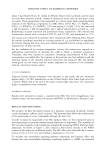
FUNCTIONAL PROPERTIES OF GLYCERIN 231 7. serves to accelerate wound healing 8. aids in the digestion of desmosomes 9. provides a skin protection function 10. enhances corneocyte desquamation 11. does not interfere with biochemical processes in the skin To provide the physiochemical and biochemical basis for the above functionalities of glycerin, reference to a series of seminal scientific papers will be made. EARLIER STUDIES A stereomicroscopic test for moisturizing efficacy (5) developed by Highley et al. is based upon the ability of moisturizers to prevent or alleviate soap-induced dry skin by using the back of the hand as a substrate. One of the advantages of this procedure is that it permits comparative efficacy measurements on moisturizing preparations regardless of their form or water content. Another advantage is that by means of this test using panels of small size, information is generated, which could otherwise be obtained only through clinical testing on large populations. A numerical grading system for relative skin dryness (70 to 80) was developed by means of which a numerical measure of moisturizing efficacy was obtained (differences of 30 to 40 between untreated and treated hands are rated as good). This technique clearly demonstrated that the use of 25% glycerol in water, over a period of four days, was distinctly superior to the use of similar solutions of both propylene glycol and sorbitol. The comparative effectiveness of these polyols is shown in Table III. In a significant paper (6) published in 1984 by Bissett et al., "Skin conditioning with glycerol," a human skin condition study conducted during winter (in Cincinnati, OH) using outside lower leg dry skin was reported. The panels consisted of male and female volunteers aged 25 to 55. One milliliter of test material was applied twice daily to an approximately 150-cm 2 skin area. All panelists used two test materials, one for each leg. Two trained graders using a 0-5 scale did visual grading of the skin. Panelists were allowed to continue their normal bathing/showering practices. Results after two weeks of testing are shown in Table IV. Similar type in vivo studies conducted on dry pig skin showed similar efficacy as the glycerol concentration was increased up to 20%, beyond which increased concentration produced only a small additional benefit. Several other polyols were tested (four weeks of treatment) as skin conditioners on dry Table III Effectiveness of Some Commonly Used Cosmetic Ingredients Stereomicroscope ratings by trained observers Treated Untreated Difference Ingredient tested hand hand (untreated-treated) Glycerin (25% in H20 ) 34 Propylene glycol (25% in H20 ) 71 Sorbitol (25% in H20) 73 68 +34 70 -1 87 +14
Purchased for the exclusive use of nofirst nolast (unknown)
From: SCC Media Library & Resource Center (library.scconline.org)