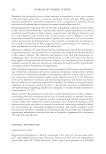
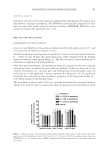
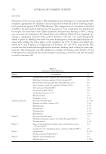
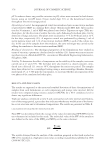
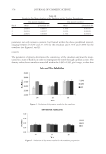
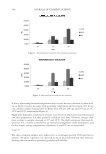
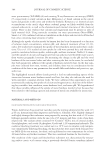
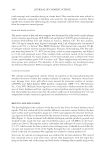
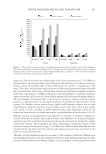
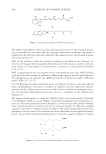
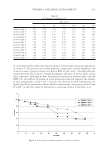
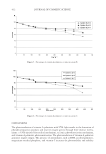
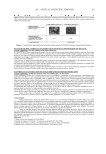
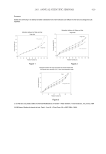
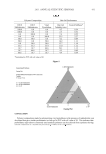
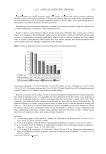
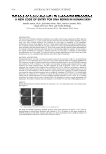
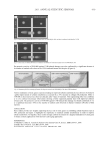
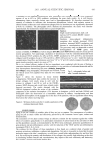
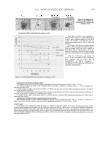
JOURNAL OF COSMETIC SCIENCE 412 CONCLUSIONS The photoirradiation of vitamin A palmitate with UVA light results in the formation of photodecomposition products and reactive oxygen species through three distinct mecha- nisms: a UVA-initiated free-radical mechanism, an ionic photodissociation mechanism, and vitamin A palmitate photosensitization. The photoirradiation of vitamin A palmitate generates singlet oxygen. The presence of antioxidants, such as BHT, ascorbyl palmitate, magnesium ascorbyl phosphate, and vitamin C increases the photostability and stability Figure 5. Percentage of vitamin A palmitate vs time in system B. Figure 6. Percentage of vitamin A palmitate vs time in system C.

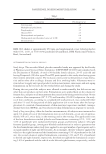
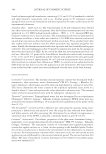
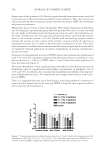
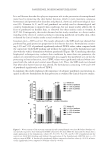
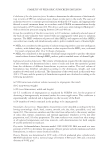
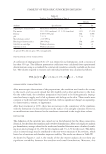
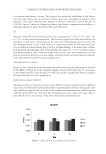
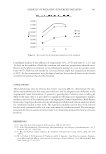
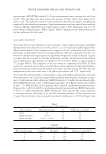
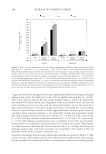
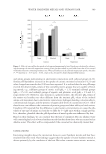
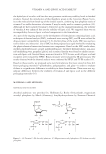
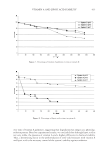
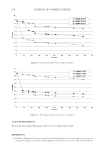
VITAMIN A AND LIPOIC ACID STABILITY 413 Figure 7. Percentage of vitamin A palmitate vs time in system D. Figure 8. Percentage of lipoic acid vs time in system A. over time of vitamin A palmitate, suggesting that degradation has oxygen as a photodeg- radation partner. Based on experimental results, we concluded that although lipoic acid in not very stable, the presence of vitamin A and a higher pH favors its chemical stability. Thus, a determining factor in the preformulation of semi-solid mixtures with vitamin A and lipoic acid is the necessary control of the system’s stability against oxidation.
Purchased for the exclusive use of nofirst nolast (unknown)
From: SCC Media Library & Resource Center (library.scconline.org)