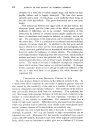
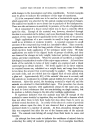
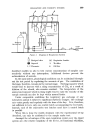
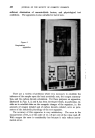
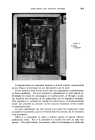
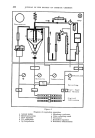
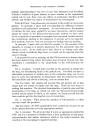
398 JOURNAL OF THE SOCIETY OF COSMETIC CHEMISTS gastro-intestinal tract within 6 to 24 hours after inhalation. The solution and absorption pattern in this system differs from that in lung tissue. •[ETHODS The determination of acute toxicity is the first step preceding toxicological inhalation studies. Significant information, however, on the long term physiological compatibility can be obtained only by means of assaying the chronic toxicity. The experimental set-up should correspond to the actual conditions in which the material would ultimately be used. Equipment which is employed for such investigations, and which has been developed in our Institute, is described and discussed below. Inhalation toxicity investigations can be conducted with systems in- corporating closed or open respiration chambers. In closed respiration chamber systems the carbon dioxide exhaled by the animal is absorbed continuously, and such systems are, therefore, more complicated than open systems. The latter are, in general, preferable for chronic studies. It is an absolutely indispensable requirement of any accurate inhalation assay that the ventilation and volume of the lung, as well as any exogenic in- fluerices can be regulated. A respiration system of the open type has been constructed which satisfies these requirements. It consists basically of the respiration chambers through which air currents pass, and the gaseous material or aerosol sample material is introduced into the airstream in definite proportions. The present device consists of four separate respiration units, each with three respiration chambers hence, this unit permits four different sample materials to be assayed simultaneously with three animal species, e.g. mouse, rat, and guinea pig or hamster. Figure I illustrates a respiration system consisting of three units, which functions as follows. The constant air stream from the compressed air line is adjusted to the desired rate by means of needle valves and flow meters, after oil residues and traces of water vapour have been filtered off. The air is then mixed with the sample material, introduced into the mixing chamber from a gas tank or some other device. The sample line is also provided with valves and a flow meter permitting any given volume to be delivered at a constant rate. The mixing chamber ensures that a homogeneous mixture of sample and gas is provided continuously. The gas mixture then passes through various regulating devices into the respiration chambers. The chambers themselves are adapted for different animal species as a result differing quantities of air must flow through them in order to account for the varying metabolic activities of the species. The device

•a Mate INHALATION AND TOXICITY STUDIES 399 .•_•_.essed ' •air Figure 1. Diagram of Respiration System • Rossignol valve RC Respiration chamber • Stopcock $ Wet lrilter 1, 2 Flowmeter z[ Oil filter described enables us also to test various concentrations of samples con- secutively without any interruption. Additional devices prevent the sedimentation of aerosols. In the open system, physiological conditions can be maintained through- out the test period by regulating the amounts of gas. The ventilation of the lungs, therefore, remains in the normal range. The lung capacity which would tend to increase with a rising concentration of CO•, as a result of dilation of the alveoli, also remains constant. The temperature of the animal environment which in rising might tend to raise the toxicity of the sample material can also be kept within normal limits. Under comparable conditions the respiratory gas exchange of any laboratory animal is subject to significant rhythmic changes the exchange rate varies greatly and regularly with the time of the day. It is, therefore,. not sufficient to have only one control batch accompanying the test batch. Instead, each of the consecutive test batches must have a control batch in parallel. When this is done the results obtained, with the experimental set-up described, can only be attributed to the sample under test. Amongst the advantages of the open respiration system over the closed system are--the relative simplicity of the device, its functional reliability•
Purchased for the exclusive use of nofirst nolast (unknown)
From: SCC Media Library & Resource Center (library.scconline.org)