JOURNAL OF COSMETIC SCIENCE 48 REFERENCES (1) T. S. Chang, An updated review on tyrosinase inhibitors, Int. J. Mol. Sci., 10, 2440–2475 (2009). (2) H. Y. Ding, H. C. Lin, and T. S. Chang, Tyrosinase inhibitors isolated from the roots of Paeonia suffruticosa, J. Cosmet. Sci., 60, 347–352 (2009). (3) T. S. Chang, M. Y. Lin, and H. J. Lin, Identifying 8-hydroxynaringenin as a suicide substrate of mush- room tyrosinase, J. Cosmet. Sci., 61, 205–210 (2010). (4) G. Imokawa, Autocrine and paracrine regulation of melanocytes in human skin and in pigmentary disorders, Pig. Cell Res., 17, 96–110 (2004). (5) T. S. Chang and J. J. Lin, Inhibitory effect of danazol on melanogenesis in mouse B16 melanoma cells, Arch. Pharm. Res., 33, 1959–1965 (2010). (6) T. S. Chang and C. T. Chen, Inhibitory effect of homochlorcyclizine on melanogenesis in α-melanocyte stimulating hormone-stimulated mouse B16 melanoma cells, Arch. Pharm. Res. (in press).

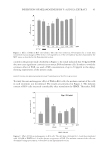
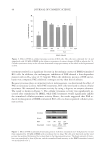
J. Cosmet. Sci., 62, 49–56 (January/February 2011) 49 Inhibition of UV-induced ROS and collagen damage by Phyllanthus emblica extract in normal human dermal fi broblasts MUHAMMED MAJEED, BEENA BHAT, SUSMITHA ANAND, A. SIVAKUMAR, PRITEE PALIWAL, and K.G. GEETHA, Sami Labs Limited, Peenya Industrial Area, Bangalore 560058, India. Accepted for publication September 30, 2010. Synopsis As a part of ongoing research for novel natural cosmeceutical actives from plant extracts, this study demon- strates that Phyllanthus emblica fruit extract has shown its effi cacy in protection against ultraviolet-B (UVB) irradiation-induced reactive oxygen species (ROS) and collagen damage in normal human dermal fi broblasts. At a concentration of 0.5 mg/ml, emblica extract showed a signifi cant response of 9.5 ± 0.28-fold protection from UVB induced-collagen damage as compared to untreated cells. A known active, ascorbic acid, at a con- centration of 0.5 mg/ml, showed 3.7 ± 0.07-fold protection from UVB-induced collagen damage. While the untreated cells showed 84 ± 1.4% induction in ROS on UVB irradiation as compared to the non-irradiated cells, emblica extract treatment inhibited the induction of ROS to 15 ± 4% at a concentration of 0.5 mg/ml. Ascorbic acid inhibited the induction in ROS to 64 ± 2% at a concentration of 0.5 mg/ml. Emblica extract is a signifi cantly better natural active, with promising cosmeceutical benefi ts against photoaging. INTRODUCTION In the 21st century natural cosmetics are emerging as new skin care concepts with a perfect synergy between nature and technology. Phyllanthus emblica, commonly known in India as Amla (Sanskrit name Amalaki) is used in Ayurveda for its cosmetic applications due to its antioxidant properties. For several decades, the emblica fruit had been claimed to be a rich source of ascorbic acid, and its high antioxidant potential has been attributed to the presence of ascorbic acid (1). However, recent studies have confi rmed that only trace amounts of ascorbic acid are found in emblica extract and that the earlier reported anti- oxidant hydrolyzable tannins, emblicanins A and B, correspond to 1-O-galloy1-β-D-glucose (β-glucogallin) and mucic acid 1,4-lactone 5-O-gallate, respectively (2). The trace amount of free ascorbic acid in emblica extract suggests that the antioxidant effects exhibited by emblica fruits are due to gallic acid esters (2). Address all correspondence to Susmitha Anand: susmitha@samilabs.com.
Purchased for the exclusive use of nofirst nolast (unknown)
From: SCC Media Library & Resource Center (library.scconline.org)