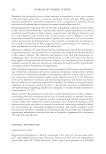
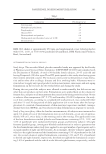
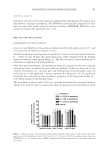
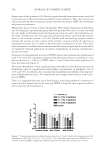
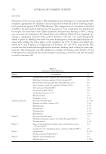
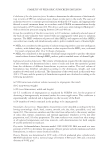
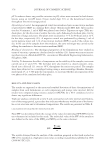
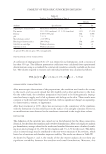
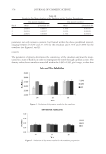
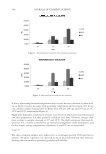
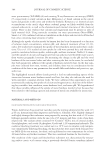
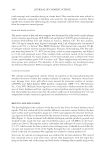
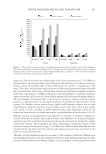
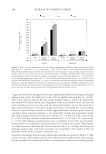
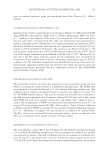
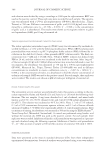
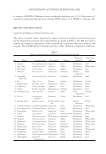
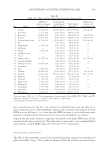
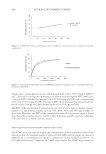
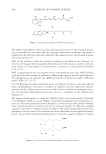
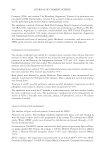
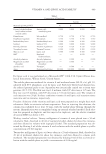
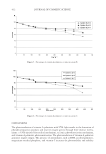
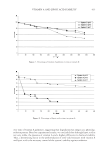
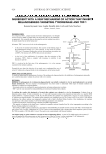
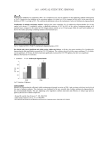
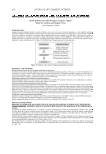
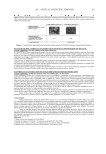
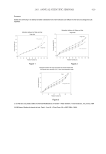
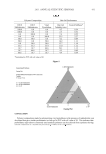
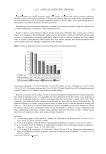
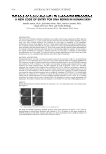
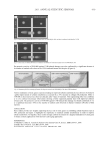
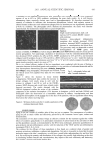
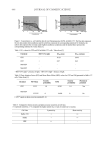
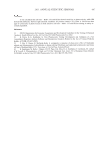
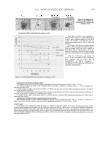
JOURNAL OF COSMETIC SCIENCE 400 found to have various phenolic levels, which ranged from 4.59 to 1845.20 μg of GAE 10 mg−1. For each 10 milligrams of essential oil, ajowan had the highest TPC (1845.20 ± 0.04 g of GAE), followed by oregano (1665.36 ± 0.04 μg of GAE) and cinnamon bark extra (544.35 ± 0.01 μg of GAE). The lowest TPC values were given by the essential oils, ho-oil (4.59 ± 0.01 μg of GAE) followed by fi r (6.39 ± 0.02 μg of GAE). The TPC of the essential oils Psammogeton canescens (14), Pistacia lentiscus, Myrtus communis extract (15), and Satureja cuneifolia (27) are 340, 4830, 3070, and 1855 μg of GAE, re- spectively. Therefore, the TPC of the essential oil ajowan (Trachyspermum ammi) is better than that of Psammogeton canescens, similar to that of Satureja cuneifolia, but lower than that of Pistacia lentisus or Myrtus communis extract. TROLOX EQUIVALENT ANTIOXIDANT CAPACITY (TEAC) ASSAY The TEAC assay was used to analyze the concentration of the twenty-fi ve essential oils relative to that of a standard sample of trolox (25-800 μM), and the results are shown in Table III. At a concentration of 1 mg ml−1, ajowan was the best essential oil (4374.72 ± 0.01 μM of trolox mg−1) based on the TEAC assay results. The TEAC assay results for Figure 1. DPPH free-radical scavenging activity in different concentrations for cinnamon bark extra essential oil. Figure 2. Concentration-dependent effect of DPPH free-radical scavenging activity of cinnamon bark extra essential oil and BHT.

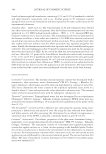
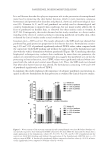
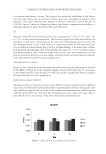
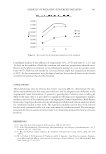
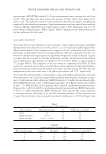
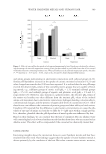
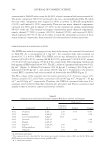
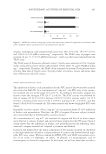
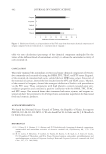
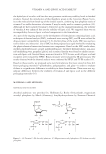
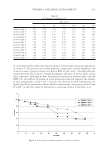
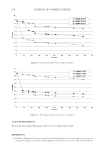
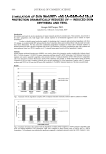
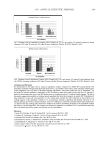
ANTIOXIDANT ACTIVITIES OF ESSENTIAL OILS 401 oregano, wintergreen, and cinnamon bark extra were 4023.49 ± 0.01, 3847.87 ± 0.01, and 1190.23 ± 0.01 μM of trolox mg−1, respectively. The TEAC assay of pepper extra essential oil was 17.17 ± 0.01 μM of trolox mg−1, which was the lowest reported from the TEAC assay. The TEAC assay of Rosmarinus offi cinalis extract, Nigella sativa essential oil (16), Oxytropis halleri, and Lathyrus binatus extract (29) revealed 15700, 2500, 34, and 158 μM of trolox mg−1, respectively. Therefore, the TEAC of the essential oil ajowan (Trachyspermum ammi) is better than that of Nigella sativa, Oxytropis halleri or Lathyrus binatus and worse than that of Rosmarinus offi cinalis extract. FERRIC THIOCYANATE (FTC) ASSAY The inhibition of linoleic acid peroxidation for the FTC assay of the twenty-fi ve essential oils is listed in Table III. At a concentration of 1 mg ml−1, the FTC assay of the twenty- fi ve essential oils was in the range of 0–29.17%. According to the results, oregano was found to have the strongest FTC (29.17 ± 0.02%). This FTC activity was followed by that of ajowan (25.26 ± 0.03%), benzoin (18.59 ± 0.03%), jasmine (arab.) (13.70 ± 0.03%), cinnamon bark extra (10.46 ± 0.05%), nutmeg (5.81 ± 0.05%), and bay laurel (4.89 ± 0.04%) essential oils. The other essential oils showed negligible FTC assay values. Hygrophila auriculata extract (30) at 1 mg ml−1 of concentration shows 55.29% inhibition of linoleic acid peroxidation. Therefore, the FTC of oregano (Origanum vulgare) essential oil is worse than that of the Hygrophila auriculata extract. At a concentration of 1 mg ml−1, the essential oil oregano and four of its main compo- nents (thymol, p-cymene, linalool, and carvacrol) were analyzed via the FTC assay. Figure 4 clearly shows that the inhibition of linoleic acid peroxidation has the following order: carvacrol oregano essential oil thymol p-cymene and linalool. Carvacrol and thymol were the major components of the oregano essential oil attributed to the high inhibition of linoleic acid peroxidation. P-cymene and linalool showed negli- gible FTC assay values. We have studied the DFRS, TPC, and TEAC antioxidant activi- ties of 23 esters, 14 aldehydes, 10 ethers, 14 phenols, 14 monoterpenols, and 10 monoterpenes as chemical components. In the future, we will use these data to make a Figure 3. DPPH free-radical scavenging activity from three major chemical components of cinnamon bark extra compared with its essential oil at a concentration of 1 mg ml−1.
Purchased for the exclusive use of nofirst nolast (unknown)
From: SCC Media Library & Resource Center (library.scconline.org)