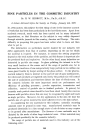
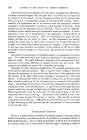
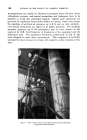
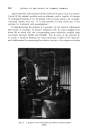
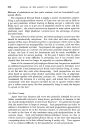
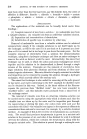
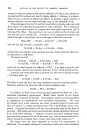
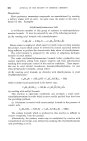
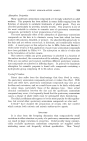
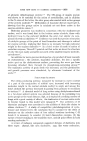
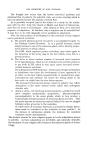
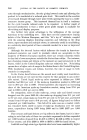
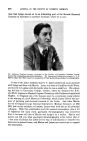
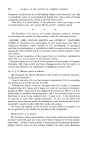
202 JOURNAL OF THE SOCIETY OF COSMETIC CHEMISTS Apart from this, polyvinylpyrrolidone behaves in many ways in a manner typical of the natural proteins such as albumin, and is capable of tanning by prolonged heating or by tieatment with tanning agents---for example, resorcinol, tannic acid, etc. It is also possible to form stable gels of the polymer by treatment with persulphates.• • In manufacturing the polymer it is possible, by the suitable adjustment and choice of catalysts, to prepare materials with K values ranging from about 20 to about 100, the corresponding mean molecular weights lying somewhere between 10,000 and 700,000. The K value of the polymer is, of course, a function defining the mean molecular weight of the material, and is determined by measuring the relative viscosity of an aqueous solution Fig. 6. A general view of the vinyl pyrrolidone polymerisation plant.

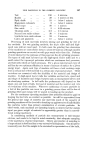
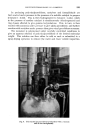
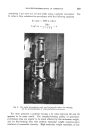
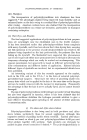
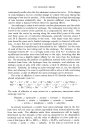
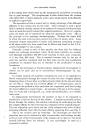
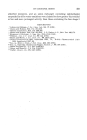
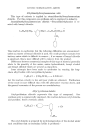
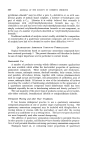
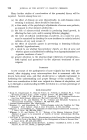
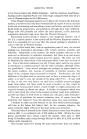
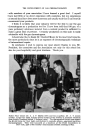
POLYVINYLPYRROLIDONE IN COSMETICS 203 containing 1 per cent w/v of total solids using a suitable viscometer. K value is then calculated in accordance with the following equation. K value = 1000 k, •vhere 75k • Log nrel= 1 + 1.51• + k The Fig. 7. The water de-ionisation unit used to provide water for carrying out the polymerisation of v/nyl pyrrolidone monomer. For most purposes a polymer having a K value bet veen 30 and '35 appears to be most useful. The complex-forming ability of polyvinyl- pyrrolidone does not appear to be much affected by the molecular Weight, and for film-forming uses, this medium molecular weight material gives solutions of reasonable viscosity. High molecular weight materials, as one
Purchased for the exclusive use of nofirst nolast (unknown)
From: SCC Media Library & Resource Center (library.scconline.org)