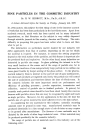
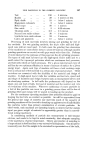
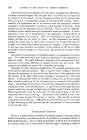
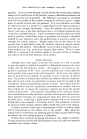
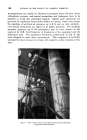
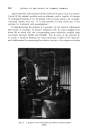
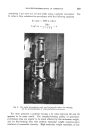
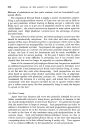
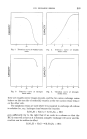
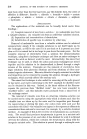
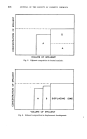
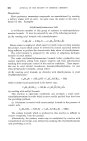
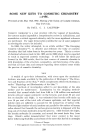
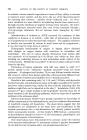
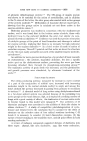
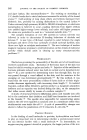
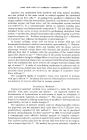
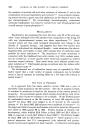
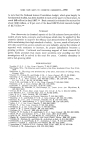
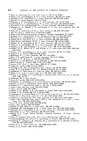
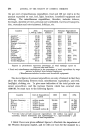
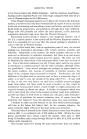
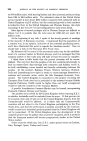
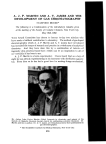
218 JOURNAL OF THE SOCIETY OF COSMETIC CHEMISTS z A VOLUME OF EFFLUENT Fig. 5. Efliuent composition in frontal analysis. 1.1_ 1.1_ w VOLUME OF EFFLUENT Fig. 6. E•uent composition in displacement development. DISPLACING IONS

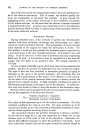
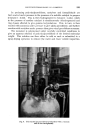
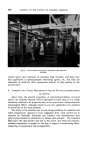
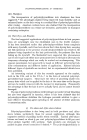
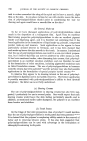
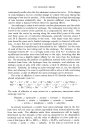
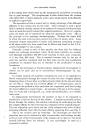
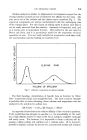
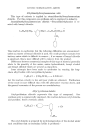
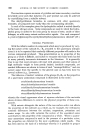
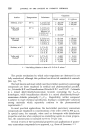
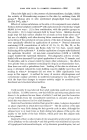
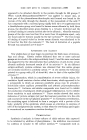
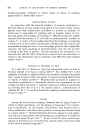
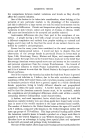
ION EXCHANGE RESINS 219 Elution analysis is similar to displacement development except that the eluting solution contains an ion of relatively low affinity for the resin. The ions move out of the column and the elution curve resembles Fig. 7. The separated components are always contaminated with the exchanging ions of the eluting agent. For this reason an eluting agent is chosen such that it can be easily removed from the solution. Ammonia is frequently used, and so is formic acid, or ammonium formate. This method is the one used by Moore and Stein, and it is particularly useful for the separation of micro quantities of ions. It is not really suitable for preparative work since both the concentration and the loading are somewhat low. Z ELUTING IONS VOLUME OF EFFLUENT Fig. 7. Effluent composition in elution analysis. The third heading--Substitution of Specific Ions in Solution by Other Ions--is generally simple and straightforward. The most common example is probably that of water softening, where calcium and magnesium ions are replaced in the solution by sodium ions 2R.SO3Na + CaCt•--(R.SO3)2Ca + 2NaC1 An important factor here is the relative affinity of the two ions in question. If the equilibrium lies strongly to one side, i.e., the ion initially on the resin has a high affinity relative to that of the ion in solution, complete exchange will rarely occur. For instance, it is impossible to form a calcium salt by passing a dilute sodium salt solution over a calcium resin. (It is, however, possible to displace calcium by the use of a concentrated sodium salt solution
Purchased for the exclusive use of nofirst nolast (unknown)
From: SCC Media Library & Resource Center (library.scconline.org)