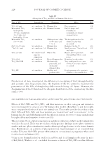
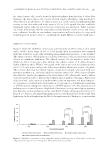
JOURNAL OF COSMETIC SCIENCE 230 GENOTOXICITY TiO2 and ZnO NPs were investigated for their potential genotoxicity in in vitro and in vivo test systems. No genotoxicity was observed in vitro (Ames’ Salmonella gene mutation test and V79 micronucleus chromosome mutation test) or in vivo (mouse bone marrow micro- nucleus test and Comet DNA damage assay in lung cells from rats exposed by inhalation) (46). The SCCS (2012) comprehensive review of ZnO NPs revised both in vitro and in vivo studies on photo-mutagenicity/genotoxicity and concluded that there is no defi nite evi- dence to claim if ZnO NPs pose a mutagenic/genotoxic, phototoxic, or photomutagenic/ genotoxic risk to humans (47). CARCINOGENESIS There are reports that dermal application of noncoated rutile TiO2 does not exhibit a promoting effect on UVB-induced skin carcinogenesis in rats. Xu et al. researched c-Ha- ras proto-oncogene transgenic rats, which are sensitive to skin carcinogenesis, and their wild-type siblings were exposed to UVB radiation. Their back skin is shaved twice weekly for 10 weeks. On the shaved area, a suspension of 100 mg/ml TiO2 NPs was applied. In the observed groups, the tumor incidence was not different (48). Sagawa et al. have reached the same conclusion, after studying the promoting effect of silicone-coated TiO2 NPs suspended in silicone oil and noncoated TiO2 NPs suspended in Pentalan 408 on a two-stage skin chemical carcinogenesis model (49). Newman et al. also suggested that TiO2 NPs are not carcinogenic to the skin. However, the authors emphasized that further studies for the safety evaluation of the TiO2 NPs in sunscreens must be performed to simulate real-world conditions, particularly in sun- burned skin and under UV exposure (50). Table IV Cytotoxicity of TiO2 NPs in vivo Type of NPs Cells Effect Ref. TiO2 NPs 20 nm Human HaCaT and keratinocytes Induction of the mitochondrial “common deletion” in HaCaT cells following exposure to TiO2 NPs, which strongly suggests a ROS-mediated cytotoxic and genotoxic potential of NPs. (41) TiO2, 25 nm dispersion in serum-free medium Immortalized keratinocyte cells and HaCaT cells Increase production of ROS, the toxicological effects can be simplifi ed into six events (43) TiO2 NPs Keratinocyte cells Alter the calcium homeostasis and induced a decrease in cell proliferation associated with early keratinocyte differentiation, without any indication of cell death. (42) TiO2 NPs (anatase, rutile, and anatase–rutile) sizes (4, 10, 21, 25, and 60 nm) UVA radiation Human keratinocyte and HaCaT cells Induced ROS resulted in oxidative stress in these cells by reducing SOD and increasing MDA levels and damage HaCaT cells (44)

TITANIUM DIOXIDE AND ZINC OXIDE NANOPARTICLES IN SUNSCREENS 231 The lack of penetration through the epidermis is considered as the main reason for the absence of skin carcinogenesis–promoting effects. INTERACTIONS OF SUNSCREENS WITH OTHER SUBSTANCES Sunscreens are not only dermal preparations applied on the skin. Many cosmetic prepara- tions, dermocosmeceutic, and dermal preparations are applied every day. It is important to investigate potential interactions between sunscreens containing NPs, to fi nd out whether sunscreens enhance or block resorption. Effects of drugs applied to the skin for many diseases can be modulated and disturbed. Peire et al. have researched interactions with amphotericin. TiO2 NPs can modulate the transdermal permeation of the ampho- tericin. The main reason is the superfi cial chemistry of TiO2 (51). ROS generated by TiO2 and ZnO NPs can increase skin permeability. Transdermal drug and other substances (dyes, pesticides, and toxins) penetration can be favored or reduced by modulating the TiO2 surface charge (coating) and its oxidative potential (crystalline phases), so the enhancer effect of TiO2 NPs can be adjusted and converted up or down- ward (52,53). People are encouraged to use sunscreens when they are exposed to sunlight, and it is often on fields where pesticides are applied. The dermal penetration of the herbicide 2,4-dicholorophenoxyacetic acid (2,4-D) is enhanced by the formulations containing chem- ical UV absorbers, the absorbers themselves, and the insect repellent DEET. Brand et al. investigated whether commercially available sunscreens containing TiO2 or ZnO enhance the transdermal absorption of pesticides. For in vitro studies, hairless mouse skin was used. In vitro permeability studies were performed with the pesticides: parathion, mala- thion, 2,4-D, and paraquat. The data demonstrate that there was signifi cant penetration enhancement of malathion, parathion, and paraquat when compared with controls. The difference between ZnO and TiO2 was noticed because ZnO can interfere with 2,4-D penetration and TiO2 had no effect. Although, the risk-benefi t analysis gives the recom- mendation for using sunscreens (54). CONCLUSION There are conclusive pieces of evidence that TiO2 and ZnO NPs do not penetrate through intact and healthy human skin, but further studies are necessary to confi rm their penetra- tion through damaged and sensitive skin. Of paramount importance is the fi nding that most studies do not demonstrate NPs’ skin penetration and that no signifi cant concentra- tions are found in layers of viable cells. It must be emphasized that cytotoxic and patho- logical outcomes are presented in studies using high concentrations of NPs, which are impossible to be used for human purpose. Results of in vivo–in vitro and human–animal studies should be cautiously extrapolated. Some studies have given conclusive pieces of evidence about the potential of NPs to in- duce ROS in vitro, which largely mediate NP-induced cytotoxicity and genotoxicity, but the important real-situation information is that NPs used in sunscreens have modifi ed the surface so it has less possibility to produce ROS, even after UV exposure. Sunscreens also contain antioxidants to neutralize generated ROS, and endogenous antioxidants can
Purchased for the exclusive use of nofirst nolast (unknown)
From: SCC Media Library & Resource Center (library.scconline.org)