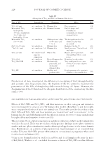
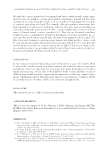
JOURNAL OF COSMETIC SCIENCE 228 Pincheiro et al. have investigated the difference in resorption of ZnO through healthy and psoriatic skin. In psoriatic skin, the fragility of the SC seemed to facilitate the penetration of the NPs, although they did not reach living cell layers. However, the desquamation of the SC hindered the adequate distribution of the cream along the skin surface (30). SKIN IRRITATION BY TOPICAL APPLICATION OF ZNO AND TIO2 AND STUDIES OF ACUTE TOXICITY Effects of ZnO NPs and TiO2 NPs, and their mixtures on skin corrosion and irritation were investigated by using in vitro 3D human skin models (KeraSkin™), and the results were compared with those of an in vivo animal test. The results provide the evidence that ZnO NPs and TiO2 NPs and their mixture are “nonirritant” and “noncorrosive” to the human skin by a globally harmonized classifi cation system. In vivo test using animals may be replaced by an alternative in vitro test (31). The potential effects of photosensitization and photo irritation of ZnO on the human skin were also discussed. There was no evidence of any positive fi ndings in two photo irritation studies and two photosensitization studies after topical application on the intact human skin. Furthermore, in a review of photoprotection, Lautenschlager et al. reported that neither TiO2 nor ZnO NPs possess skin irritation or sensitization properties when used in sunscreens on humans (32). Using acute dermal irritation studies in rabbits and local lymph node assay in mice (CBA/JHsd), Warheit et al. concluded that water solution of TiO2 NPs used in different Table III Absorption of TiO2 and ZnO on Human Skin in vivo Type of NPs Formulation Skin type Effect Ref. TiO2 (20 nm) w/o emulsion, 5 h Human skin No penetration (24) Micronized TiO2, hydrophobic 100 nm, amphiphilic 10–15 nm, and hydrophilic 20 nm w/o emulsion, 6 h Human forearms Particle shape and formulation nonsignifi cant impact on penetration (25) Micronized TiO2 (10–50 nm) w/o emulsion Older patients’ skin, 59–85 years and 9–31 d The insignifi cant level in dermis higher than in control (25) ZnO (26–30 nm) w/o emulsion, Human skin Remained in the SC (26) 68 ZnO (19 nm) w/o emulsion, 5 d Human skin Small increases 68 Zn in blood and urine (27) TiO2 (20 nm) w/o emulsion and aqueous suspension Hairy skin May be able to penetrate through hair follicles and pores (28) TiO2, ZnO w/o emulsion Excited human skin Remained on the surface (29) TiO2, ZnO NP w/o emulsion Mechanically, physically, and chemically damaged skin Very small particles to cross to the SC increases relative to control (29) TiO2 NP w/o emulsion Healthy and psoriatic skin Deeply penetrated to psoriatic relative to the normal skin (30)

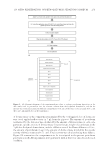
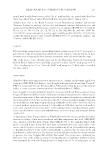
TITANIUM DIOXIDE AND ZINC OXIDE NANOPARTICLES IN SUNSCREENS 229 concentrations from 0% to 100% applied for three consecutive days were not a dermal sensitizer or skin irritant (33). In a 14-d toxicity study, TiO2 NPs applied topically to rat skin (Wistar) induced short- term toxicity at the biochemical level (34). Enzymes for which concentrations increased are lactate dehydrogenase, lipid peroxidase, serum glutamic pyruvic transaminase, and serum glutamic oxaloacetic transaminase. Depletion in the levels of catalase and glutathi- one S-transferase (GST) activity was detected. They concluded that short-term exposure to TiO2 NPs can cause hepatic and renal toxicity in rats. It should be underlined that the doses used in these studies are high (14, 28, 42, and 56 mg/kg) and humans are not ex- posed to those high concentrations (35). INFLUENCE OF TIO2 AND ZNO ON ROS GENERATION AND POTENTIAL CYTOTOXICITY Results of the recent studies provided the information that both ZnO and TiO2 NPs can generate reactive oxygen species (ROS): superoxide anions, hydroxyl radicals, and singlet oxygen (36,37). The mechanism of the reaction is UV-induced photocatalysis. ROS can damage cellular components and macromolecules, and ultimately cause cell death if pro- duced in excess or if they are not neutralized by antioxidant defenses. ROS derived from the photocatalysis of NPs are cytotoxic to a variety of cell types (38). Sayes et al. have investigated the difference between two crystal forms of TiO2 NPs in producing ROS. They reported that anatase NPs generated more ROS than rutile after UV irradiation. It has been concluded that TiO2 anatase has a greater toxic potential than TiO2 rutile. Also, anatase ROS production does not occur under ambient light conditions (39). A study by Lewicka et al. (40) reported a greater generation of ROS by ZnO NPs than TiO2 NPs. The cytotoxicity of TiO2 NPs was demonstrated in keratinocytes, using different tests and exposures, with or without UV exposure, but many in vivo experiments on animals did not confi rm this effect (41–43). Cytotoxicity studies on HaCaT cells gave an important result that TiO2 NPs induce cy- totoxic effects only at very high concentrations after 7 d (44). In vitro toxicity was also observed. Vinaredell et al. used the EpiSkin model, to determine the differences between ZnO and ZnO NPs. Formulations with ZnO and ZnO NPs were fi rst applied for 15 min and for 24 h, but cytotoxic effects were not observed. The per- centage of viability of the treated cells was around 100% for all ZnO materials, regardless of their size (45). Kiss et al. investigated in vivo penetration and effects on cell viability of TiO2 on human skin transplanted to immunodefi cient mice. They demonstrated that with TiO2 NPs, there was no penetration through the skin, but when exposed directly to cell culture in vitro, they have signifi cant effects on cell viability (23). Liu et al. have conducted an important study. During the PC12 cells treatment with different concentrations of TiO2 NPs, the viability of cells was signifi cantly decreased in the peri- ods of 6, 12, 24, and 48 h, showing a signifi cant dose effect and time-dependent manner. The number of apoptotic PC12 cell increased with the increasing concentration of TiO2 NPs (35) (Table IV).
Purchased for the exclusive use of nofirst nolast (unknown)
From: SCC Media Library & Resource Center (library.scconline.org)