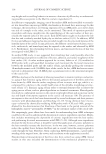
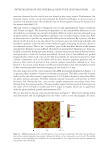
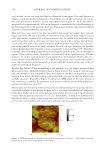
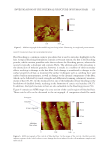
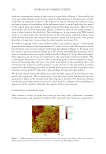
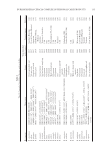
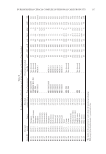
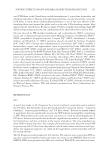
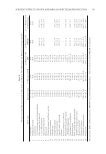
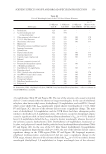
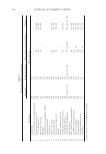
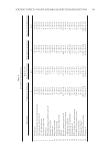
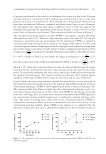
Table IV Wavelength of Maximum Absorbance INCI name Homosalate Ethylhexyl salicylate Butyl methoxy-dibenzoylmethane Mixture Wavelength (nm) 1 Isododecane 310 310 - - 2 Cyclotetrasiloxane and cyclopentasiloxane 309 310 - - 3 Olea europaea (olive) fruit oil 309 310 361 310, 361 4 C12-15 alkyl benzoate 310 310 361 310, 361 5 Shea butter ethyl esters 297 297 362 310, 361 6 Mineral oil 310 310 - - 7 Helianthus annuus (sunfl ower) seed oil 309 310 - - 8 Isopropyl isostearate 309 309 - - 9 Dimethicone 309 309 - - 10 Heptyl undecylenate 309 309 361 310, 361 11 Isopropyl myristate 309 309 361 310, 359 12 Caprylic/capric triglyceride 309 309 361 310, 361 13 Ethanol 309 309 - - 14 Ricinus communis (castor) oil 309 310 - - 15 Propanediol dicaprylate/caprate 309 309 361 310, 361 16 2-Ethylhexyl palmitate 309 310 - - 17 Diethylhexyl 2,6-naphthalate 297 (and 335, 351) 297 (and 335, 350) 297 (and 350) 297 (and 335, 350) 18 Pentylene glycol 309 309 - - 19 PPG-3 benzyl ether ethylhexanoate 309 309 361 310, 361 20 Tris(PPG-3 benzyl ether) citrate 309 297 362 310, 361 21 Butyloctyl salicylate 310 310 311, 362 310, 361 22 Diisopropyl adipate 309 309 358 310, 360 23 Ethylhexyl methoxycrylene 312 311 362 311, 355 24 Polyester-8 311 312 311, 361 311, 358 - refers to solvents in which BMDM was insoluble. JOURNAL OF COSMETIC SCIENCE 160

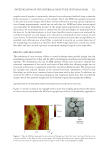
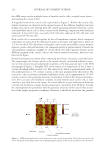
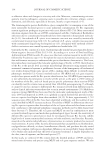
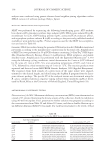
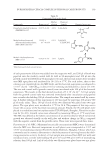
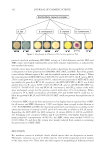
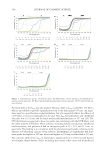
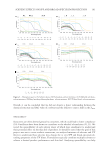
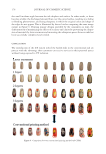
SOLVENT EFFECTS ON SPF AND BROAD-SPECTRUM PROTECTION 161 Overall, it c an be concluded that we did not observe a direct relationship between the chemical structure and IAG value of a solvent and the ability to cause a shift in the λmax. SPREADABILITY Sunscreens are often deemed greasy by consumers, which could lead to lower compliance (30). Emollients have been shown to contribute to the afterfeel of emulsions (21,31). We tested the spreadability of each solvent (most of which were emollients) to understand their potential effect on the skin feel of products. It should be noted that the goal of this project was not to create realistic sunscreens, we analyzed mixtures of solvents and UV fi lters to understand how solvents may change the in vitro SPF and broad-spectrum ab- sorbing properties of the UV fi lters. Formulators typically combine multiple solvents to achieve a desired product performance and skin feel. Analyzing spreadability can help Figure 2. Absorption spectra. (A) Solvents alone. (B) Homosalate–solvent mixtures. (C) Ethylhexyl salicylate– solvent mixtures. (D) Butyl methoxydibenzoylmethane–solvent mixtures. (E) UV fi lter blend–solvent mixtures.
Purchased for the exclusive use of nofirst nolast (unknown)
From: SCC Media Library & Resource Center (library.scconline.org)