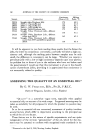
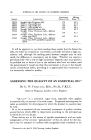
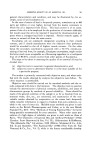
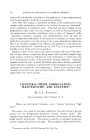
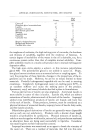
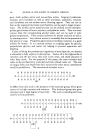
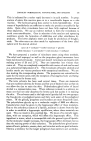
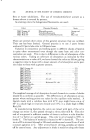
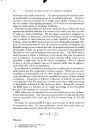
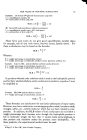
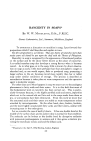
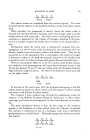
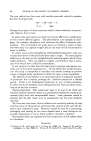
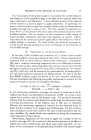
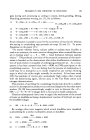
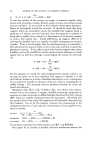
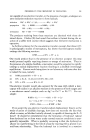
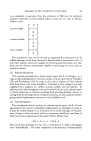
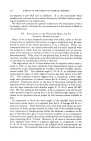
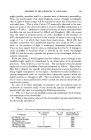
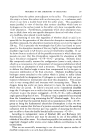
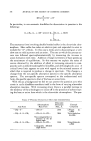
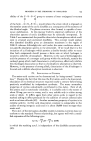
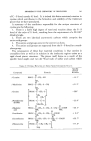
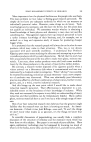
HLB VALUES OF NON-IONIC SURFACTANTS zSx Examples: (A) Atmul 67© glyceryl monostearate (soap free) $ = saponification number, 161 A = acid number of fatty acid, 198 HLB = 20 (1- 16_1'• 198] = 3.8 (B) Tween 20©, polyoxyethylene sorbitan monolaurate $ = saponification number spec., 45.5 (mid-point) A = acid number of fatty acid, 276 HLB = 20 (1 -- 45.5'• = 16.7 276 ] Many fatty acid esters do not give good saponification number data for example, tall oil and rosin esters, beeswax esters, lanolin esters. For these a calculation may be based on the formula: E+P HLB - 5 Wherein: E = weight percentage of oxyethylene content P = weight percentage of polyhydric alcohol content (glycerol, sorbitol, etc.) Example: Atlas G-1441 polyoxyethylene sorbitol lanolin derivative E = weight percentage of oxyethylene content, 65.1 P = weight percentage of polyhydric alcohol content, 6.7 65.1 + 6.7 HLB- - 14 5 In products wherein only ethylene oxide is used as the hydrophilic portion and for fatty alcohol ethylene oxide condensation products, equation 2 may be simplified to E HLB - . Example: Myrj 49© polyoxyethylene stearate E = weight percentage of oxyethylene content, 76 HLB = 7• = 15 These formulas are satisfactory for non-ionic surfactants of many types. However, non-ionic surfactants containing propylene oxide, butylene oxide, nitrogen, sulfur, etc., exhibit behavior which has not been related to com- position. In addition, the HLB values of ionic surfactants do not follow a weight percentage basis because even though the hydrophilic portion is low in molecular weight the fact that it ionizes lends extra emphasis to that portion and therefore makes the product more hydrophilic. For these products, the experimental method must be used. © Reg. U.S. Pat. Off., Atlas Powder Company.

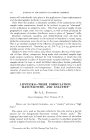
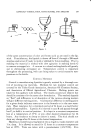
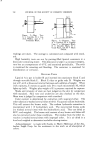
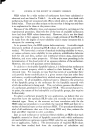
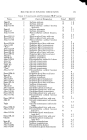
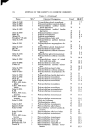
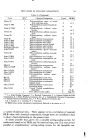
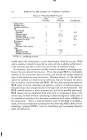
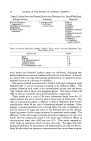
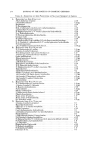
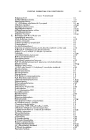
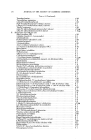
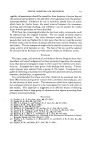
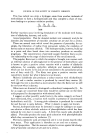
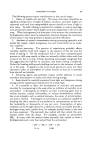
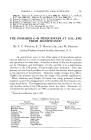
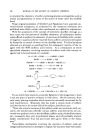
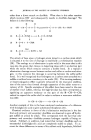
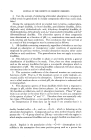
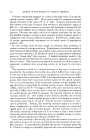
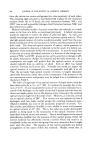
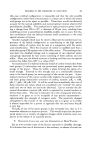
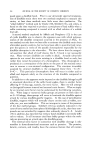
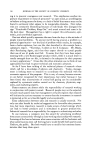
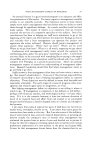
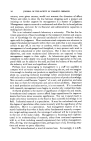
252 JOURNAL OF THE SOCIETY OF COSMETIC CHEMISTS HLB values for a wide variety of surfactants have been calculated or observed and are listed in Table 1. As with any system that deals with surfactants, there are occasional side effects which seem to alter the estab- lished value. These are often unique to the test that is being run and there is no explanation for them at the present time. Because of the difficulty, time, and expense involved in carrying out the experimental procedure, relatively few of the host of available surfactants have had their HLB values determined. However, this is not the disad- vantage that it first appears to be, since a rough estimate of the HLB can be made from the degree of water solubility and in many instances this is adequate for screening work. In its present form, the HLB system lacks exactness. A suitable simple laboratory method of measuring HLB values of surfactants accurately is needed. We have tried a variety of methods including solubility in water, or various solvents, ratio solubility in two solvents, solubilization behavior both for oils and dyes, surface and interfacial tension data, cloud point behavior, and many other properties. Of these the most promising is the determination of the cloud point of an aqueous sol'ution of the surfactant. However, this test still possesses severe limitations. In addition to hydrophile-lipophile balance, it is believed that surfactants possess a second property which is related to their behavior. We call it chemical type. For example, we may find that esters of a particular fatty acid provide better emulsification in a given system than any other fatty acid esters or polyoxyalkylene fatty alcohols may give better performance than esters. In all probability, chemical type is related to the attraction of the lipophilic group in the surfactant for the lipophilic material with which the surfactant is being used. This, we believe, governs the efficiency of a surfactant, provided it is of the proper HLB. This second characteris- tic point, the nature of the hydrophilic and lipophilic groups, also requires further study. To select a surfactant properly for any application, we believe that one must first have the optimum HLB value and secondly have the correct chemical type. Since, at the moment we have correlation only for the HLB value our procedure is to establish the required HLB and then try a variety of chemical types at that optimum HLB. This procedure eliminates trial of all surfactants that are of the wrong HLB and, thus, reduces the time and effort required to solve a problem. Just as each surfactant or surfactant blend exhibits an HLB value each lipophilic material or blend of lipophilic materials with which surfactants are used exhibits an optimum required HLB value for any specific formula- tion or application, 'Fable 2. The determination of required HLB values has also been studied both from the standpoint of calculation and
Purchased for the exclusive use of nofirst nolast (unknown)
From: SCC Media Library & Resource Center (library.scconline.org)