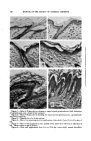
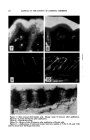
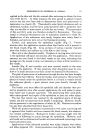
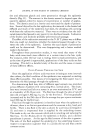
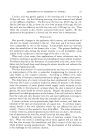
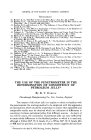
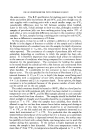
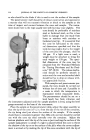
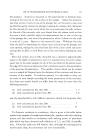
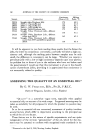
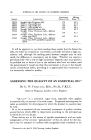
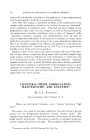
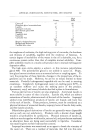
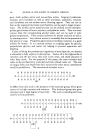
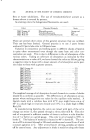
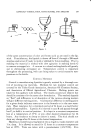
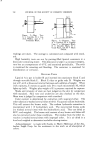
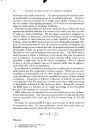
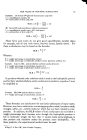
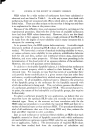
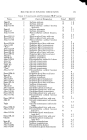
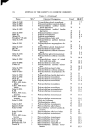
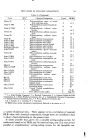
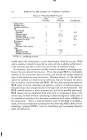
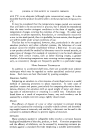
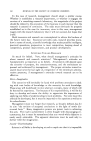
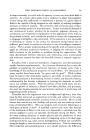
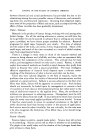
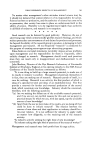
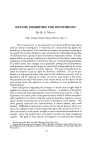
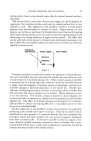
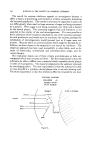
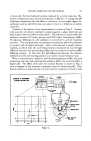
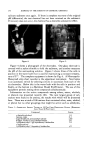
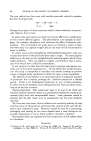
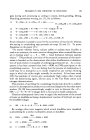
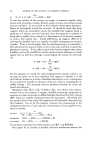
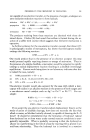
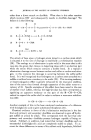
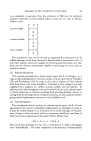
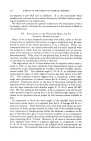
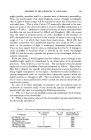
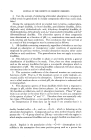
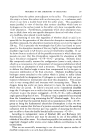
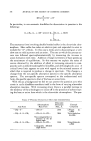
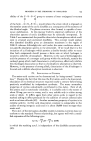
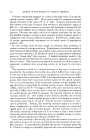
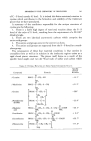
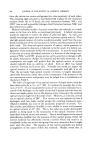
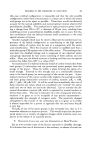
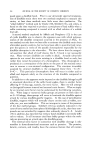
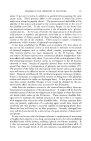
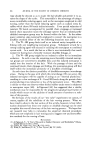
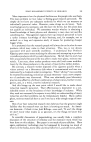
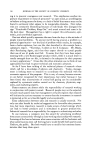
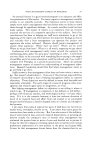
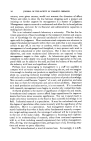
232 JOURNAL OF THE SOCIETY OF COSMETIC CHEMISTS ?• :- ...... • ..•:• ......... •. ½:-•:•.:• •.• :•.•:..• .... •-,,•, ..•., •.• •:• • . . • .. ....... •:• • . . • •.•::.: •. .,•:•,, :•:.., .... '•,• .... • .•-•. •*• . ,•-.-½-:.-..•-¾ ":=: ::8.• •': ß :•½:• .•.• 4•g•. -'. .•'•*":'.,•'• ':'*" ":' •"•,•'•'•.•% ß •Z'.•" ' . •.... .., ½•4 "" ...... - % -.4' ,, . .....¾½.'-?" ,• • . ':::. Figure 7.--Skin treated with linoleic acid. Biopsy taken 10 minutes after application. Figure 8.--Lanolin 10 minutes after application. Figure 9.•Normal skin of rat. Figure 10.--Biopsy of skin 20 minutes after application of linoleic acid. Figure 11.--Applications of iodinated linoleic acid were applied at 9:30, 11:30, and 1:30• and four hours later the biopsy was taken.

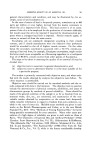
EXPERIMENTS ON EPIDERMIS OF ANIMALS 233 applied to the skin and the skin stained after sectioning to obtain the loca- tion of the fat (7). In either instance, the dyes spread to adjacent tissues and no one has ever been able to demonstrate fatty acid penetration or destination too clearly (8). Theoretically some lipoid substances such as cholesterol, lecithin, and the fatty acids should be able to penetrate since they are miscible to some extent in both fats and water. The penetration of fats and fatty acids was therefore studied by fluorescence. They pos- sessed or enhanced fluorescence due to substances dissolved in them (9). Applications of the substances were made, biopsies were taken, fixed in formalin, and sections were cut on the freezing microtome. Linoleic acid penetrates the epithelium rapidly (Fig. 7). Twenty minutes after the application sections show that linoleic acid is present in the blood vessels (Fig. 10). Cross sections of various vascular channels show that linoleic acid adheres as a thin film to their lining. Oleic acid is also absorbed readily. Droplets of varying sizes can be seen in the epidermal cell layers ten minutes after the application. Only minute amounts are ever found in the blood vessels at any time, indicating that passage into the vessels is slow, not extensive, or there is little retention in the vessels. Lanolin (Fig. 8) and ricinoleic acid were retained mainly in the outer strata of the epidermis. If they penetrate their absorption must be very slow or in small amounts since they cannot be detected by fluorescence. The path of penetration of substances through the skin has been thought to be via the hair follicles. Since the linoleic acid is found in the horizontal plexus of vessels under the epithelium before it is found in vessels around the sebaceous glands, a great amount must pass directly through the epidermis. The linoleic acid must affect the epithelial cells and decrease their pro- tective properties since after several applications the acid seems to pene- trate faster and in greater quantities. The penetrating fatty acids prob- ably induce growth and repair of the epithelium as does any other injury. The fact that lanolin was retained by the superficial strata of the epi- dermis and did not penetrate more deeply is surprising. However, lanolin did not penetrate in the experiments of others (6, 10). Radioactive sodium has also been absorbed from fatty bases (11). While the present experiments on penetration were quite convincing and it appeared that linoleic acid even entered the blood vessels, this observa- tion needed confirmation. Radioactive linoleic acid was sought with the intention of following its course through the epithelium. However, such acid could not be obtained and linoleic acid was iodinated converting it into mono-iodo-stearic acid. Applications of the iodinated material were made, biopsies were taken, and slides prepared (12). Great penetration took place into the hair folli-
Purchased for the exclusive use of nofirst nolast (unknown)
From: SCC Media Library & Resource Center (library.scconline.org)