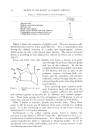
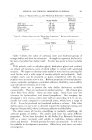
30 JOURNAL OF THE SOCIETY OF COSMETIC CHEMISTS chromatography and infrared or ultraviolet spectrometry. Trains of components complete simple repetitive analyses on large numbers of samples essentially unattended. All of the instruments mentioned herein are in use, in various combination and to varying degrees, in our industry. We are led to one sweeping conclusion. The entire spectrum of instrumenta- tion finds application in the cosmetic industry which, in turn, is making a vigorous contribution to instrumental techniques. ACKNOWLEDGMENT: The authors wish to thank Messrs. J. W. Jenkins, K. O. Kellenbach, E. M. Emery, L. Gildenberg and G. J. Suarez for their work on the illustrations cited in this paper. (Received June 1, 1961) REFERENCES (1) Kent, A. P., Colgate Research Report No. 1130, April 20, 1956. (2) Childs, R. F. and Parks, L. M., •t. vim. Pharm. vixxoc. Sci. Ed., 45, 313 (1956•. ALOPECIA AND CUTANEOUS ULCERATION IN RATS RESULTING FROM SUBCUTANEOUS INJECTIONS OF A SYMPATHOMIMETIC AGENT, METHOXAMINE HYDROCHLORIDE By AMOS E. LIGHT* SrrI•rULATED Br the report of Cockrem (4) that methoxamine hydro- chloride (•-hydroxy-•-(2,5-dimethoxyphenyl)-isopropylamine hydrochlo- ride) injected subcutaneously depressed the general growth of hair on mice, a series of tests using rats were o, mducted to determine the action of the sympathomimetic agent on tissue and hair growth in the area of the injection sites. Aqueous solutions and oil suspensions of the drug were compared in both male and female animals. The additional effects of sex hormones were also investigated. METHODS One per cent methoxamine hydrochloride in physiological saline solution was administered subcutaneously as the aqueous type of preparation while a 1 per cent suspension of the salt in peanut oil was used as the depot type of material. Control animals received 0.9 per cent saline solution or peanut oil alone. With aqueous solutions the animals were injected by means of a syringe equipped with a half-inch #27 gauge hypodermic needle with oil a #20 needle was used. A preliminary trial revealed that some fatalities * 49 Colonial Parkway, North Yonkers, N.Y.

30 JOURNAL OF THE SOCIETY OF COSMETIC CHEMISTS chromatography and infrared or ultraviolet spectrometry. Trains of components complete simple repetitive analyses on large numbers of samples essentially unattended. All of the instruments mentioned herein are in use, in various combination and to varying degrees, in our industry. We are led to one sweeping conclusion. The entire spectrum of instrumenta- tion finds application in the cosmetic industry which, in turn, is making a vigorous contribution to instrumental techniques. ACKNOWLEDGMENT: The authors wish to thank Messrs. J. W. Jenkins, K. O. Kellenbach, E. M. Emery, L. Gildenberg and G. J. Suarez for their work on the illustrations cited in this paper. (Received June 1, 1961) REFERENCES (1) Kent, A. P., Colgate Research Report No. 1130, April 20, 1956. (2) Childs, R. F. and Parks, L. M., •t. vim. Pharm. vixxoc. Sci. Ed., 45, 313 (1956•. ALOPECIA AND CUTANEOUS ULCERATION IN RATS RESULTING FROM SUBCUTANEOUS INJECTIONS OF A SYMPATHOMIMETIC AGENT, METHOXAMINE HYDROCHLORIDE By AMOS E. LIGHT* SrrI•rULATED Br the report of Cockrem (4) that methoxamine hydro- chloride (•-hydroxy-•-(2,5-dimethoxyphenyl)-isopropylamine hydrochlo- ride) injected subcutaneously depressed the general growth of hair on mice, a series of tests using rats were o, mducted to determine the action of the sympathomimetic agent on tissue and hair growth in the area of the injection sites. Aqueous solutions and oil suspensions of the drug were compared in both male and female animals. The additional effects of sex hormones were also investigated. METHODS One per cent methoxamine hydrochloride in physiological saline solution was administered subcutaneously as the aqueous type of preparation while a 1 per cent suspension of the salt in peanut oil was used as the depot type of material. Control animals received 0.9 per cent saline solution or peanut oil alone. With aqueous solutions the animals were injected by means of a syringe equipped with a half-inch #27 gauge hypodermic needle with oil a #20 needle was used. A preliminary trial revealed that some fatalities * 49 Colonial Parkway, North Yonkers, N.Y.
Purchased for the exclusive use of nofirst nolast (unknown)
From: SCC Media Library & Resource Center (library.scconline.org)