INHALATION AND TOXICITY STUDIES Ferin et al (2) report data on the self-cleaning efficiency of the lungs of a miner. Given a respiratory volume of 16 1/min, the air inhaled during a '7• h shift amounts to 7.2 m a. At a contamination of 75 mg dust/m a of air, the miner inhales 540 mg dust/day which amounts to 162 g/year, and to approx. 5.7 kg over a period of 35 years of working down the mine. King it al (3), however, reported the presence of an average of "only" 35 g of dust in the lung of a miner after 35 years of work. Although some details of the self-cleaning mechanism are known, very much has remained as yet unknown. Antweiler (4) found that the speed of transportation in the cilia-epithelium-lined trachea was 1.8 cm/min irre- spective of the weight, size, and shape of the dust particles. Phagocytosis is another mechanism of self-cleaning. Insoluble particles remaining in the alveoli will either be led into the interstitium of the lung, or will be phagocytized. The dust cells (alveolar phagocytes) can be eliminated from the organism by means of expectoration, or, alternatively might reach the gastro-intestinal tract. The whole of the mucous membrane of the respiratory tract is a border layer of the body, with the function to acclimatize the organism and the air to each other by raising the temperature of the inhaled air, humidifying it, and eliminating particulate matter. The cilia of the ciliated epithelium move at a rate of 160 to 250 strokes/min at the optimum temperature of ß 30øC, with one unit of the stroke lasting •- to •o of a second. Frequency and amplitude of the cilia strokes may vary, while rhythm and shape will essentially remain constant. It is the amplitude which is responsible for the transport efficiency. The ciliated epithelium displays an efficiency of 7 g/cm'/min. Stimulation of the sympathicus or parasympathicus induces a function ,.cycle (secretion, elimination, and replenishment) in the epithelium which, in return, regains its first phase within 60 to 80 min. Messerklinger (5) reported that treatments for several weeks, with ganglia-blocking agents do not lead to epithelial alterations of any histological significance. The epithelium itself, however, appears to be more resistant to some intoxications this ,observation could be interpreted to indicate that pathologic tonus alterations in the vegetative system may play an important part in the development .of abnormal variations of the epithelium. In case of chronic inhalation in low doses, rather slow elimination •)ccurs preferably via the lymphatic drainage system. Klosterk6tter (6) re- ported that electron-microscopic measurements of dust particles isolated from the lung 24 h after treatment, indicated that the diameter of 60 per cent is up to 0.56 microns, whereas with 95 per cent it is up to 1.0 micron. In evaluat- ing the inhalation of toxic dusts, the speed of self-cleaning of the lung must be taken into account, as more than 50 per cent of the particles reach the

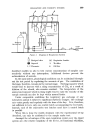
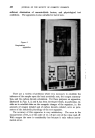
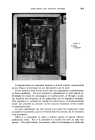
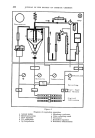
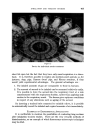
398 JOURNAL OF THE SOCIETY OF COSMETIC CHEMISTS gastro-intestinal tract within 6 to 24 hours after inhalation. The solution and absorption pattern in this system differs from that in lung tissue. •[ETHODS The determination of acute toxicity is the first step preceding toxicological inhalation studies. Significant information, however, on the long term physiological compatibility can be obtained only by means of assaying the chronic toxicity. The experimental set-up should correspond to the actual conditions in which the material would ultimately be used. Equipment which is employed for such investigations, and which has been developed in our Institute, is described and discussed below. Inhalation toxicity investigations can be conducted with systems in- corporating closed or open respiration chambers. In closed respiration chamber systems the carbon dioxide exhaled by the animal is absorbed continuously, and such systems are, therefore, more complicated than open systems. The latter are, in general, preferable for chronic studies. It is an absolutely indispensable requirement of any accurate inhalation assay that the ventilation and volume of the lung, as well as any exogenic in- fluerices can be regulated. A respiration system of the open type has been constructed which satisfies these requirements. It consists basically of the respiration chambers through which air currents pass, and the gaseous material or aerosol sample material is introduced into the airstream in definite proportions. The present device consists of four separate respiration units, each with three respiration chambers hence, this unit permits four different sample materials to be assayed simultaneously with three animal species, e.g. mouse, rat, and guinea pig or hamster. Figure I illustrates a respiration system consisting of three units, which functions as follows. The constant air stream from the compressed air line is adjusted to the desired rate by means of needle valves and flow meters, after oil residues and traces of water vapour have been filtered off. The air is then mixed with the sample material, introduced into the mixing chamber from a gas tank or some other device. The sample line is also provided with valves and a flow meter permitting any given volume to be delivered at a constant rate. The mixing chamber ensures that a homogeneous mixture of sample and gas is provided continuously. The gas mixture then passes through various regulating devices into the respiration chambers. The chambers themselves are adapted for different animal species as a result differing quantities of air must flow through them in order to account for the varying metabolic activities of the species. The device
Purchased for the exclusive use of nofirst nolast (unknown)
From: SCC Media Library & Resource Center (library.scconline.org)