398 JOURNAL OF THE SOCIETY OF COSMETIC CHEMISTS and should, where possible, be stored away from the plant and out of draughts which could disseminate their flora. PLANT CLEANING Fully continuous production of a single formulation seldom occurs in any one piece of equipment, and many cosmetic and pharmaceutical factories make several formulations in the same plant. The intervals between use of the machinery may vary from hours to weeks, and the plant may be cleaned immediately after production of the last batch of one product or just before manufacture of the next. The time during which the equipment is idle is, however, important from the microbiological point of view regardless of whether it occurs before or after the cleaning process. Undisturbed residues in dark, damp and often warm areas of a plant are danger points, because these are the conditions best suited to rapid microbial multiplication. Favourable growth conditions also occur in a plant which has been sluiced through with warm detergent solution and left without further treatment. Many types of bacteria grow actively in dilute detergent solutions and a quick rinse through of any plant will remove some, but not all, of the previous product, leaving a nutritious mixture of detergent and product in which the preservative has been diluted beyond effectiveness. Few manufacturing plants are entirely free from stagnation areas in pumps, joints, pipelines, pressure gauges and valves, and large masses of microbial growth can form in very small amounts of liquid left un- disturbed for a few hours. Sokolski et al (5) have reported an example of contamination of a product from an accumulation of organisms in a trap in a production pipeline. The product contained clay, which can often be heavily con- taminated, and pectin which can be metabolized and give rise to rapid growth. It also contained methyl phydroxybenzoate, and the product was usually perfectly satisfactorily protected against growth of the normal number of organisms present. However, when the trap in the pipeline became heavily contaminated with organisms, clumps of growth occasion- ally broke away and the numbers were sufficient to overcome the pre- servative and cause product spoilage. Another interesting observation in this case study was that the offending organism Cladosporium resinae was capable of utilizing the preservative, methyl phydroxybenzoate when its concentration was reduced below 0.15 per cent. Complete and thorough removal of product residues is essential if a

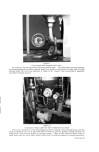
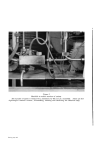
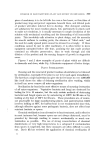
Figure 1 Gear pump with integral relief valve An example of good engineering but poor plant design. The relief valve prevents damage by pumping against excessive pressure heads, but since it is awkward to clean, and it is not obvious when the valve has operated, it tends to be "missed" and so provides a potential microbial breeding ground. : .'. i..::.-' •:....•ti•-:..-.•.' I' •.• •:..•.•:.'Z-:.-:•:: ..:i".:::.:t:•/7,. '.i"• •:•":' :. i.. •: .... , : ::: ":(_ ',.. : :•:-.:• : .:• :.:::::::::::::::::::::::::::::::::: ::'a?,•":::: '"':':'""•': ..... •-:.•. -.•., .•.•:.•½' ß .-.. :"•. 7'::::: '.-• • •,. ................ •.•.• • '•-:.::•. ?. :. • .':"(" :•,:..•½/.? .•(} ': s".:- •.•- ?•½..' :?'"'"• .... ' ...•::'"'•:.'½ ...... .•:•: • ..•½' •..•. '•" : "".• ß .5:-:-:.::':•J• • ... ½ ...::.::• . :::."•' :..:..• "..:.:.: '"' ... '. ' •'•'.:- .' :.'•%... •5 •' :: ....... :..3½'• •::. ?:, ?.,..' •%:, '• .... .• -m.: •::."• :. ..:' 4:.'•'.½#•T'• . ß .... : ß : .• .::::- -•......• •. .-•½.. • .-:-: ?'.:'.• •. •}. :'.. . ....... .... 1 • • •:-:'• :.•:•. :• :•-' ,., • '• '• '. '•: •:' : 4 "'½""'""7% • " .:.:•:. :• ½ ..... ..r,-•.....,•-• ....... ::•::•:. :. •. .-..::. •...• .?,.: .. Figure 2 6ood plant design spoilt by lack of attention to detail There are a number of easily dismantled and easily cleaned cocks and pipeworks, but the plant is spoilt by the use of glycehne filled U-tubes to pressure gauges, and the presence of plug valves, and pressure glands on the gear pump. There is also a lack of drain cocks on fixed items, and too many right-angled joints exist, all making adequate cleaning impossible. Facing page 398
Purchased for the exclusive use of nofirst nolast (unknown)
From: SCC Media Library & Resource Center (library.scconline.org)