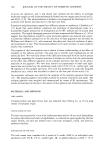
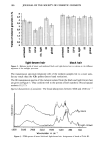
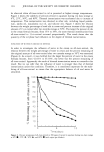
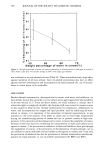
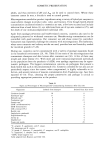
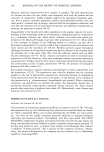
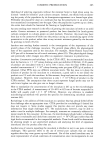
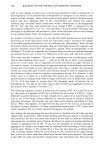
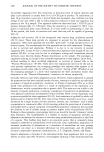
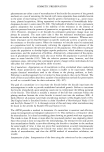
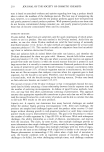
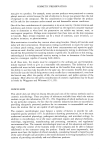
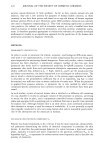
196 JOURNAL OF THE SOCIETY OF COSMETIC CHEMISTS O96 ß - 94 ! (• 92 (•90 0 E 84 , I • I • 40 50 60 70 Weight percentage of water in cream(%) Figure 4. Weight percentage of water and percent remaining of all-trans-retinol in 400 ppm of retinol in oil-in-water cream after two months storage at 50øC (with argon gas blanket). was evaluated in retinol-ethanol solution (Table II). These antioxidants had a high effect against oxidation of all-trans-retinol. Since oil-soluble antioxidants also have an effect against thermal isomerization and decomposition by lipid peroxide (9), use of antioxi- dants in cream seems to be invaluable. DISCUSSION Besides thermal isomerization, decomposition by contact with water, and oxidation, we have already known that peroxide in oil or surface-active agent aggravated the instability of all-trans-retinol (4,7). From the above results, we could construct a concept that if ultraviolet light is completely shielded, the decrease of all-trans-retinol in creams is more or less caused by these factors: thermal isomerization by temperature, dehydration by water, and decomposition by oxygen and lipid peroxide. And for stabilizing all-trans- retinol in creams, it is important 1) for prevention of thermal isomerization, to pay attention to the total amount of oil phase in cream and to avoid high temperatures during the manufacturing process of creams and not to preserve creams at high tem- perature 2) for prevention of decomposition by water, to lower the possibility of contact between retinol and water by controlling the concentration of water and surface-active agents in creams 3) for prevention of oxidation, to blow and bubble an inert gas through the ingredients of creams 4) for prevention of decomposition of lipid peroxide, not to use oxidized or easily oxidizable oils and surface-active agents in creams and 5) not only for prevention of oxidation but also for prevention of thermal isomerization and decom- position by lipid peroxide, to use oil-soluble antioxidants like BHT and BHA.

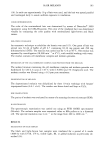
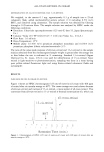
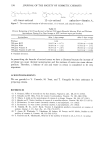
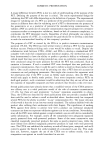
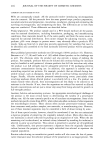
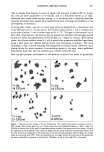
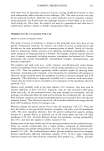
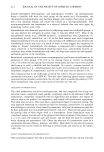
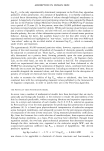
ALL-TRANS-RETINOL IN CREAM 197 20 '10 0 0 i i 5 ]0 Time(days) Figure 5. Percent remaining ofall-trans-retinol in 500 ppm ofretinol in 100% ethanolic solution. I, 75% ethanolic solution [•, 50% ethanolic solution O, 50% ethanolic solution with 2% polyoxyethylene glycerol monoisostearate (60 tool) ¸, after 10 days storage at 50øC (with argon gas blanket). 100,00• • ReI.AtJ 0,• ....................................................... : 300 34O 3•0 Wavelength (rim) Figure 6. UV spectra of products in 500 ppm retinol 50%-ethanolic solution with 2% polyoxyethylene glycerol monoisostearate (60 mol) after ten days storage at 50øC (with argon gas blanket).
Purchased for the exclusive use of nofirst nolast (unknown)
From: SCC Media Library & Resource Center (library.scconline.org)