JOURNAL OF COSMETIC SCIENCE 298 Aloe-emodin (AE), a hydroxyanthraquinone from Aloe vera leaves has been recognized for a long time as a potent laxative, while in the last decade, several other biological activities are reported including its antiproliferative effect (3). On the contrary, there are data indi- cating that AE stimulates growth and increases DNA synthesis in some primary cell cultures (4). Although it is present in topical formulations that are applied to the skin, the infl uence of AE on normal keratinocytes has not been examined so far. In this study, we investigated the effect of AE on primary adult keratinocyte monolayer cultures. Our data indicates that AE signifi cantly reduces proliferation capacity of the keratinocytes cultivated in vitro at doses as low as 5 μM, and this effect can be attributed to the induc- tion of apoptosis. MATERIAL AND METHODS CELL CULTURE AND REAGENTS Skin samples were obtained from 10 subjects undergoing cosmetic surgery, who all gave the informed consent, and processed as described previously (5). Cells were used for experi- ments after the third or fourth passage. AE was dissolved in dimethylsulfoxide (DMSO) (both from Sigma, St. Louis, MO). Control cell cultures contained same amount of DMSO as cultures with the 5 μM concentration of AE used in the particular experiment. CELL PROLIFERATION AND LACTATE DEHYDROGENASE (LDH) RELEASE ASSAY Keratinocytes were cultivated in 96-well plates (3 × 10³ cells/well) for 48 h, then washed and cultivated for an additional 72 h in fresh medium containing 1.25, 2.5, or 5 μM AE or DMSO as a control. During the last 24 h of incubation, keratinocytes were pulsed with 1 μCi of [3H]thymidine per well and proliferation was determined as described previously (5). The half maximal inhibitory concentration (IC50) values for the inhibition of prolifera- tion were calculated using Calcusyn software (Biosoft, Cambridge, UK) (5). LDH release assay was employed to assess cell necrosis. Keratinocytes were cultivated under the same condi- tions as for the proliferation assay and LDH assay was performed as previously described (6). DETERMINATION OF APOPTOSIS For the assessment of apoptosis, keratinocytes were cultivated in 24-well plates (3 × 10⁴/ well) for 48 h, washed and incubated for an additional 6 h in fresh medium containing 5 μM of AE or DMSO as a control. Following trypsinization, the cells were stained with fl uorescein diacetate (FDA) and trypan blue (TB), and analyzed as described previously (5). STATISTICAL ANALYSIS Statistical signifi cance of the differences in keratinocyte proliferation in the group of 10 donors was determined by the analysis of variance (ANOVA) for repeated measures.

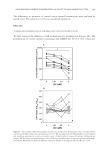
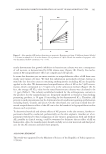
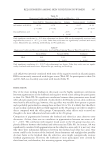
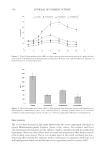
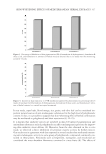
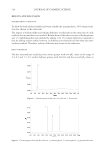
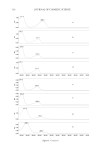
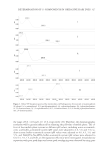
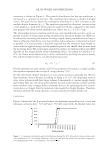
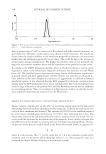
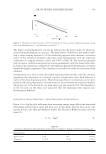
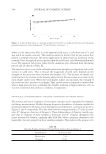
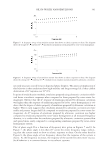
299 ALOE-EMODIN INHIBITS PROLIFERATION OF ADULT HUMAN KERATINOCYTES The differences in apoptosis of control versus treated keratinocytes were analyzed by paired t-test. The value of p 0.05 was considered significant. RESULTS AE DECREASES PROLIFERATION OF THE KERATINOCYTES CULTIVATED IN VITRO We first assessed the influence of AE on keratinocyte proliferation (Figure 1A). The proliferation of control cultures containing only DMSO was 9194 ± 3101 counts per Figure 1. Aloe-emodin (AE) downregulates keratinocyte proliferation. Keratinocytes were incubated with- out (0) or with AE at indicated concentrations for 72 h. The incorporation of [3H]thymidine was determined and results are presented as counts per minute (cpm). (A) Each value is a mean of triplicate cultures of one sample. (B) The observed antiproliferative effect of AE was not followed by an increase in lactate dehydroge- nase release. Keratinocytes from 10 different donors are labeled 1–10 (Figures 1A and 1B). ∗p 0.05.
Purchased for the exclusive use of nofirst nolast (unknown)
From: SCC Media Library & Resource Center (library.scconline.org)