1
J. Cosmet. Sci., 75.1, 1–10 (January/February 2024)
*Address all correspondence to Yoshihiro Abiko, yoshi-ab@hoku-iryo-u.ac.jp
Effect of Bee Pollen on a Human Skin Keratinocyte Cell Line,
PHK16-0b, Exposed to Ultraviolet B Radiation
ARIUNTSETSEG KHURELCHULUUN, TETSURO MORIKAWA, OSAMU UEHARA,
DURGA PAUDEL, MASHU SAKATA, HIROSHI SHIBATA, KOKI YOSHIDA,
HIROKI NAGAYASU AND YOSHIHIRO ABIKO
Division of Oral Medicine and Pathology, Department of Human Biology and Pathophysiology, School of
Dentistry, Health Sciences University of Hokkaido, Ishikari-Tobetsu, Hokkaido, Japan (A.K., T.M., Y.A.)
Division of Oral and Maxillofacial Surgery, Department of Human Biology and Pathophysiology, School of
Dentistry, Health Sciences University of Hokkaido, Ishikari-Tobetsu, Hokkaido, Japan (A.K., H.N.)
Division of Disease Control and Molecular Epidemiology, Department of Oral Growth and Development,
School of Dentistry, Health Sciences University of Hokkaido, Ishikari-Tobetsu, Hokkaido, Japan (O.U.)
Advanced Research Promotion Center, Health Sciences University of Hokkaido, Ishikari-Tobetsu, Hokkaido,
Japan (D.P.)
Belle Coeur Institute, Kiyota-ku, Sapporo, Hokkaido, Japan (M.S., H.S.)
Accepted for publication November 10, 2023.
Synopsis
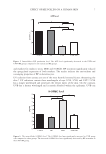
Bee pollen (BP) has been shown to have beneficial effects on human health. The effect of BP on the skin
has yet to be demonstrated. This study aims to demonstrate whether BP alleviates the harmful effects of
ultraviolet B rays (UVB) on human skin keratinocytes. The human skin keratinocyte cell, PHK16-0b, was
cultured and divided into four groups: (1) control, (2) UVB, (3) BP, and (4) UVB+BP. The mRNA expression
levels of age-related genes (p16 and IL-6), intracellular reactive oxygen species (ROS) levels, mitochondrial
ATP levels, and oxidative DNA damage (8-OHdG) levels were measured. The mRNA level of age-related
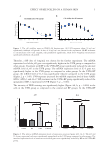
genes (p16, IL-6) expression was significantly upregulated in the UVB group, but was downregulated
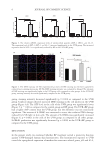
after treatment with BP. The intensity of dihydroethidium (DHE) staining was significantly higher in the
nucleus of the cells belonging to the UVB group compared to other groups. DHE staining was significantly
decreased after treatment with BP in the UVB+BP group compared to the UVB group. The ROS level and
DNA damage levels were both significantly higher in the UVB group but reduced after BP treatment in the
UVB+BP group. BP may protect the skin from UVB-induced aging by reducing ROS and oxidative stress.
INTRODUCTION
Bee pollen is collected by bees from the stamen of the flower. Over 200 chemical substances
including carbohydrates, protein, lipids, polyphenolics, vitamins, and bio elements have
been found in BP.1 Some of these components act as anti-oxidative, anti-inflammatory, anti-
carcinogenic, anti-microbial, anti-allergic, and anti-atherosclerotic agents.2 Based on these
J. Cosmet. Sci., 75.1, 1–10 (January/February 2024)
*Address all correspondence to Yoshihiro Abiko, yoshi-ab@hoku-iryo-u.ac.jp
Effect of Bee Pollen on a Human Skin Keratinocyte Cell Line,
PHK16-0b, Exposed to Ultraviolet B Radiation
ARIUNTSETSEG KHURELCHULUUN, TETSURO MORIKAWA, OSAMU UEHARA,
DURGA PAUDEL, MASHU SAKATA, HIROSHI SHIBATA, KOKI YOSHIDA,
HIROKI NAGAYASU AND YOSHIHIRO ABIKO
Division of Oral Medicine and Pathology, Department of Human Biology and Pathophysiology, School of
Dentistry, Health Sciences University of Hokkaido, Ishikari-Tobetsu, Hokkaido, Japan (A.K., T.M., Y.A.)
Division of Oral and Maxillofacial Surgery, Department of Human Biology and Pathophysiology, School of
Dentistry, Health Sciences University of Hokkaido, Ishikari-Tobetsu, Hokkaido, Japan (A.K., H.N.)
Division of Disease Control and Molecular Epidemiology, Department of Oral Growth and Development,
School of Dentistry, Health Sciences University of Hokkaido, Ishikari-Tobetsu, Hokkaido, Japan (O.U.)
Advanced Research Promotion Center, Health Sciences University of Hokkaido, Ishikari-Tobetsu, Hokkaido,
Japan (D.P.)
Belle Coeur Institute, Kiyota-ku, Sapporo, Hokkaido, Japan (M.S., H.S.)
Accepted for publication November 10, 2023.
Synopsis
Bee pollen (BP) has been shown to have beneficial effects on human health. The effect of BP on the skin
has yet to be demonstrated. This study aims to demonstrate whether BP alleviates the harmful effects of
ultraviolet B rays (UVB) on human skin keratinocytes. The human skin keratinocyte cell, PHK16-0b, was
cultured and divided into four groups: (1) control, (2) UVB, (3) BP, and (4) UVB+BP. The mRNA expression
levels of age-related genes (p16 and IL-6), intracellular reactive oxygen species (ROS) levels, mitochondrial
ATP levels, and oxidative DNA damage (8-OHdG) levels were measured. The mRNA level of age-related
genes (p16, IL-6) expression was significantly upregulated in the UVB group, but was downregulated
after treatment with BP. The intensity of dihydroethidium (DHE) staining was significantly higher in the
nucleus of the cells belonging to the UVB group compared to other groups. DHE staining was significantly
decreased after treatment with BP in the UVB+BP group compared to the UVB group. The ROS level and
DNA damage levels were both significantly higher in the UVB group but reduced after BP treatment in the
UVB+BP group. BP may protect the skin from UVB-induced aging by reducing ROS and oxidative stress.
INTRODUCTION
Bee pollen is collected by bees from the stamen of the flower. Over 200 chemical substances
including carbohydrates, protein, lipids, polyphenolics, vitamins, and bio elements have
been found in BP.1 Some of these components act as anti-oxidative, anti-inflammatory, anti-
carcinogenic, anti-microbial, anti-allergic, and anti-atherosclerotic agents.2 Based on these
Purchased for the exclusive use of nofirst nolast (unknown)
From: SCC Media Library & Resource Center (library.scconline.org)