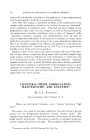
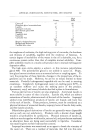
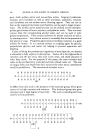
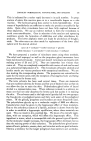
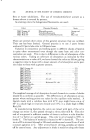
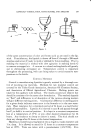
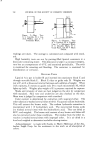
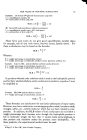
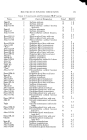
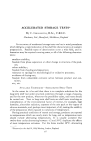
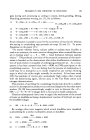
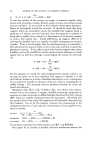
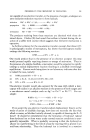
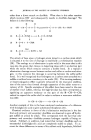
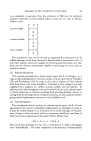
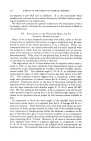
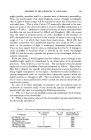
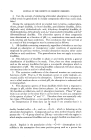
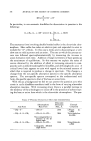
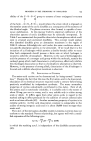
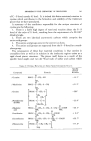
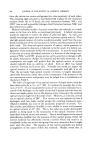
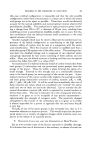
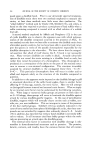
242 JOURNAL OF THE SOCIETY OF COSMETIC CHEMISTS ments will undoubtedly take place in the application of spectrophotometric and chromatographic methods to essential oil analysis. Only when the analyst is absolutely satisfied of the authenticity of the sample under examination should he be inclined to pass an "abnormal" oil for submission to subjective tests. Oils from sources of supply of new geographical origin come into this category, as well as those produced by the employment of modern distillation units in place of "peasant" stills. Brazilian rosewood, sassafras, and dementholised mint oils may be cited as important newcomers to the essential oil markets in recent years, while the controversy over otto of rose in the years immediately before the War is an excellent example of the influence of equipment on the character- istics of an essential oil. Guenther, op. cit., Vol. V, p. 3, et seg., gives an ad- mirable survey of the otto of rose question. Subjective tests on the odour, and, where necessary, flavour, of the essen- tial oil then follow, comparison being made with standard samples kept under proper conditions, followed by trial formulation in which the new oil is incorporated in place of the previously accepted delivery. Standard samples should be kept in small well-filled amber glass bottles, preferably closed with glass stoppers, or alternatively tinfoil-wrapped corks, in a dark cupboard at a uniformly cool temperature. Under such conditions dete- rioration of sensitive oils, such as those from citrus fruits, is likely to be in- appreciable over many months. LIPSTICKS--THEIR FORMULATION, MANUFACTURE, AND ANALYSIS* By A. L. FISHBACH Oxzyn Company, H/est Trenton, N. ]. HF. RE A•F. WWO lipstick formulas--one a "creamy" and one a "high stain." The castor oil is used as the main vehicle for the color and as a partial solvent for the halogenated fluorescein termed "bromo acids." The isopropyl myristate acts to break the viscosity of the castor oil and allow better contact with the lip. The lanolin is used for its emollient properties and for a degree oftackiness and drag. The wax phase is balanced to utilize * Presented at the May 14, 1954, Meeting, New York City.

242 JOURNAL OF THE SOCIETY OF COSMETIC CHEMISTS ments will undoubtedly take place in the application of spectrophotometric and chromatographic methods to essential oil analysis. Only when the analyst is absolutely satisfied of the authenticity of the sample under examination should he be inclined to pass an "abnormal" oil for submission to subjective tests. Oils from sources of supply of new geographical origin come into this category, as well as those produced by the employment of modern distillation units in place of "peasant" stills. Brazilian rosewood, sassafras, and dementholised mint oils may be cited as important newcomers to the essential oil markets in recent years, while the controversy over otto of rose in the years immediately before the War is an excellent example of the influence of equipment on the character- istics of an essential oil. Guenther, op. cit., Vol. V, p. 3, et seg., gives an ad- mirable survey of the otto of rose question. Subjective tests on the odour, and, where necessary, flavour, of the essen- tial oil then follow, comparison being made with standard samples kept under proper conditions, followed by trial formulation in which the new oil is incorporated in place of the previously accepted delivery. Standard samples should be kept in small well-filled amber glass bottles, preferably closed with glass stoppers, or alternatively tinfoil-wrapped corks, in a dark cupboard at a uniformly cool temperature. Under such conditions dete- rioration of sensitive oils, such as those from citrus fruits, is likely to be in- appreciable over many months. LIPSTICKS--THEIR FORMULATION, MANUFACTURE, AND ANALYSIS* By A. L. FISHBACH Oxzyn Company, H/est Trenton, N. ]. HF. RE A•F. WWO lipstick formulas--one a "creamy" and one a "high stain." The castor oil is used as the main vehicle for the color and as a partial solvent for the halogenated fluorescein termed "bromo acids." The isopropyl myristate acts to break the viscosity of the castor oil and allow better contact with the lip. The lanolin is used for its emollient properties and for a degree oftackiness and drag. The wax phase is balanced to utilize * Presented at the May 14, 1954, Meeting, New York City.
Purchased for the exclusive use of nofirst nolast (unknown)
From: SCC Media Library & Resource Center (library.scconline.org)