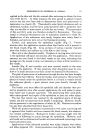
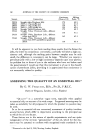
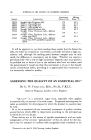
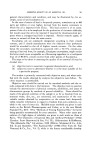
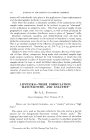
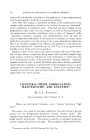
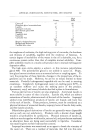
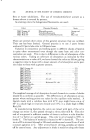
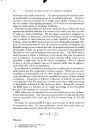
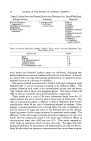
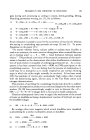
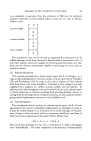
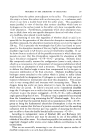
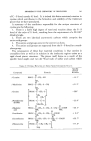
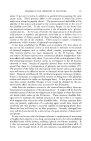
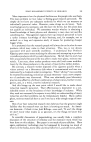
LIPSTICKS--FORMULATION, MANUFACTURE, AND ANALYSIS 243 High Creamy Stain 65 60 10 i6' 5 5 '•' 7 7 3 3 3 3 100 100 0.2 0.2 3 3 12 12 Castor oil Propylene glycol monoricinoleate Lanolin Isopropyl myristate Polyethylene glycol 400 Beeswax Candelilla wax Ozokerite Carnauba wax Propyl p-hydroxybenzoate Halogenated fluorescein Certified lake colors the toughness of ozokerite, the high melting point of carnauba, the hardness and thinness of candelilla, together with the resiliency of beeswax. A certain degree of insolubility of the waxes in the oil is desirable, too, for a continuous system rather than that of complete mutual solubility. Com- plete solubility results in a mushy soft product due to mutual melting point depression effect. The high stain sticks employ a solvent--in this instance polyethylene glycol 400. The polyethylene glycol is not soluble in castor oil. Propy- lene glycol monoricinoleate acts as a mutual solvent or coupling agent. To vary the properties of these lipsticks, changes in the proportions of the in- gredients can be made. However, we are by no means limited to these materials. Partially hydrogenated vegetable oils can be used in securing creaminess. Completely hydrogenated castor oil, melting point 82øC., is an excellent stiflenet and raises the melting point of the product. Spermaceti, cetyl, and stearyl alcohols also find a place in formulations. Various derivatives of lanolin are also employed. Acetylated lanolin is more soluble in castor oil than is lanolin. Lanolin oils, which are solvent extractions of lanolin, eliminate much of the tack of the lanoiin. lsopropyl alcohol cross esterification products of lanolin are liquids and have less of the tack of lanolin. These products, however, must be considered as a physical mixture of unreacted lanolin, isopropyl ester of lanolin fatty acids, and free lanolin alcohols. Polyethylene glycol derivatives of lanolin are generally water dispersible and as such are not satisfactory. Products with a shorter chain length would in all probability be satisfactory. Physical mixtures of lanolin al- cohols or steroIs together with lanolin, mineral oil, and petrolatum marketed as absorption bases are being used successfully in lipsticks. Considera- tion must be given to their hydrocarbon content. Isopropyl myristate was mentioned as an agent to break the viscosity of the castor oil. There are a number of materials that fall into this cate-

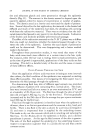
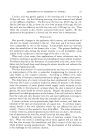
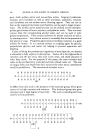
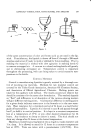
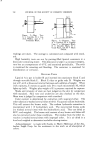
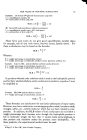
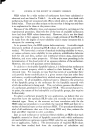
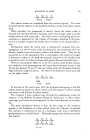
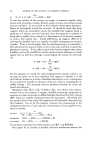
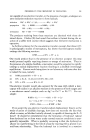
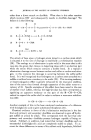
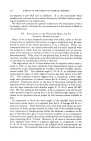
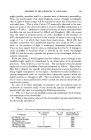
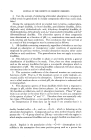
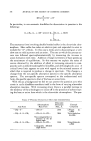
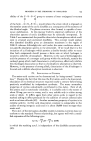
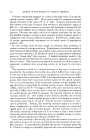
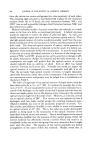
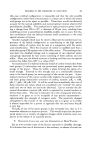
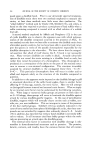
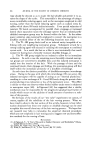
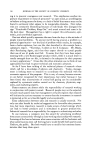
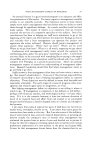
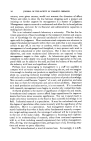
244 JOURNAL OF THE SOCIETY OF COSMETIC CHEMISTS gory--both surface active and non-surface active. Isopropyl palmirate, stearate, and ricinoleate as well as ethyl myristate, palmirate, stearate, and ricinoleate are non-surface active thinning agents. They are not as thin as the isopropyl myristate and therefore can be used in larger propor- tions. The surface active materials that can be utilized are the monopro- pylene glycol esters of lauric, myristic, and palmitic acids. They are more viscous than the corresponding alcohol esters and can be used in even greater proportions. They are poor solvents for bromo acids but do aid in its staining action. Any solvent action is invariably due to the presence of free glycol or soap. Propylene glycol monoricinoleate, however, is a good solvent for bromo. It is a mutual solvent or coupling agent for glycols, polyethylene glycols, and castor oil, helping to prevent separation and bleeding. Castor oil being the predominant ingredient of most lipsticks, we deemed it advisable to fully explore its derivatives. Castor oil is the triglyceride of ricinoleic acid (87 per cent), oleic acid (7 per cent), and small amounts of other fatty acids. For the purpose of this paper, the term ricinoleic acid refers to the purified fatty acids derived from refined castor oil. The cost of using a fatty acid freed from oleic acid and the other minor constituents would be prohibitive. The structure of ricinoleic acid is H H HHHHH HH HHH H H HH H O H--C--C--C--C--C--C--C--C--C----C--C--C--C--C--C--C--C--C--OH H H H H H H H H H H H H H H OH It differs from oleic acid in the presence of the hydroxyl group, which gives castor oil its high viscosity and solvency. This hydroxyl group also gives ricinoleic acid a high degree of reactivity. The acid on standing will cross esterify to form polymers. HHH H H H H HH H HH H H H HH O H--C--C--C--C--C--C--C--C--C----C--C--C--C--C--C--C--C--C--OH H I HH H H H H H H H H H H H H H H H 0 H H H H H H H H H H H H H H • x
Purchased for the exclusive use of nofirst nolast (unknown)
From: SCC Media Library & Resource Center (library.scconline.org)