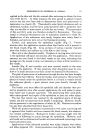
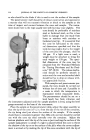
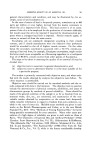
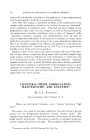
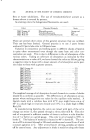
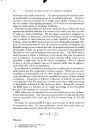
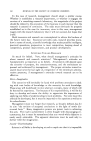
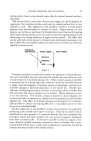
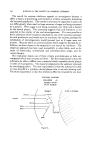
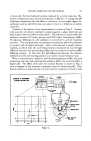
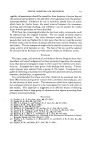
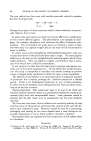
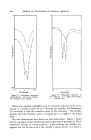
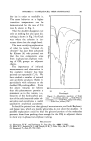
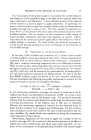
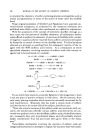
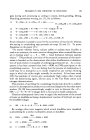
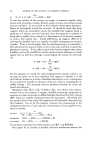
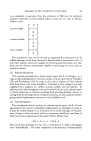
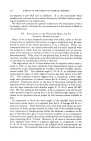
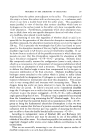
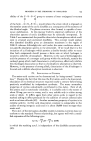
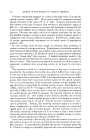
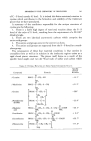
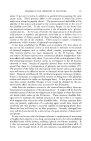
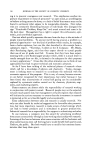
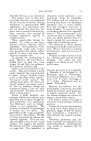
ENZYME INHIBITORS FOR DENTIFRICES 269 or more after the test chemical has been replaced by a control solution. Re- tention is important since sodium bicarbonate is effective in raising the pH of plaques temporarily but the effect is transient as one might expect, bi- carbonate used as dentifrice does not seem to have an influence on dental caries (9). A sketch of the theory of our measurements is shown in Fig. 2. A meas- ured quantity of salivary sediment is placed against a glass electrode and held in place with a thimble of nylon mesh. The solution in contact with the sediment contains 0.2 molar glucose and 0.01 molar bicarbonate buffer. The glucose diffusing into the sediment is converted to acid by bacterial enzymes. The acid gradually accumulates, lowering the pH of the sediment in contact with the glass electrode. After a few minutes a steady state is reached, at which time the acid being formed is balanced by loss through diffusion of acid to the surrounding buffer and by titration of acid by buffer diffusing inward. At this time the pH differential between the salivary sediment and the surrounding solution is an index of acid formation rate. When a test solution is added to the bicarbonate-glucose buffer, the acid production rate may fail, allowing the sediment pH to rise and level off at a higher pH. The effect of 0.1 per cent sodium fluoride is shown in Fig. 3 with a diagram of the accessory equipment used for measuring pH. Next the test solution is removed and a control solution is placed in contact with RECORDER p H AUTOMATIC SWITCH ........... .... ß ,,,:•, i• _.•• .... - :-.q.• .... • T• 4 o•. 4 S 6 ? 8 pH Figure 3.

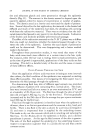
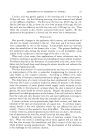
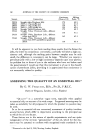
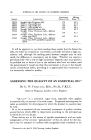
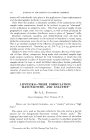
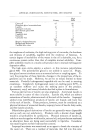
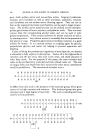
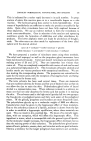
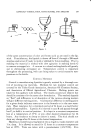
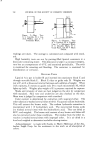
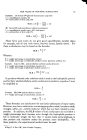
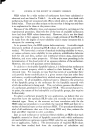
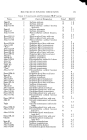
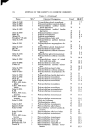
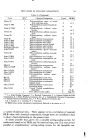
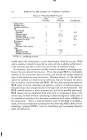
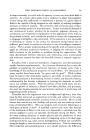
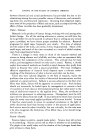
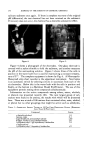
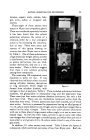
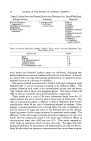
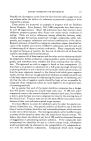
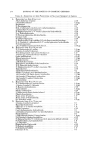
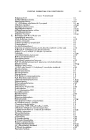
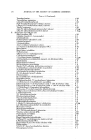
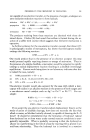
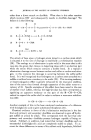
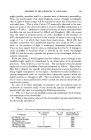
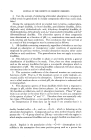
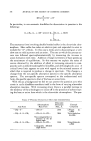
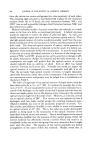
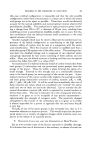
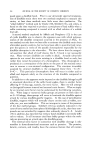
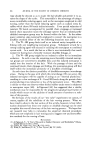
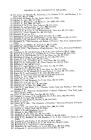
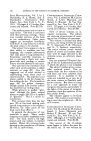
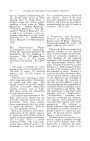
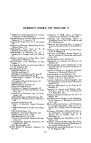
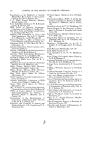
270 JOURNAL OF THE SOCIETY OF COSMETIC CHEMISq'• salivary sediment once again. If there is complete recovery of the original pH differential, the test chemical has not been retained on the sediment. If recovery does not occur, the chemical has a desirable substantive effect. Figure 4. Figure 5. Figure 4 shows a photograph of the electrodes. One glass electrode is covered with a nylon thimble to hold the sediment, and another measures the pH of the surrounding solution. Figure 5 shows three of the cells in position in the water bath that is used for maintaining a constant tempera- ture of 37 ø. The complete equipment is shown by Fig. 6. A Minneapolis- Honeywell strip chart recorder is the uppermost instrument. Next belo• is an automatic switch for selecting circuits in succession from each of the six electrodes. Below this is the water bath with the cells in position and finally, at the bottom is a Beckman Model R pH meter. The use of this equipment permits testing three compounds simultaneously. Information on the active compounds among ethers, esters, alcohols, or phenols was presented recently (10). The next largest group of sub- stances were found to be amines, the results with which will be presented here. There was a total of 186 amines that contained ether, ester, alcohol, or phenol but no other groupings that might be active such as aldehydes, TABLE 1--II•IHIBITORY AMII•ES TESTED llq 10 PER CE•T PROPYLEI•IE GLYCOL (REcovERY LESS T•A• 30 PER CE•T) Cornpound Concn. o-Aminobicyclohexyl Gentian violet .... 2,4,6-Tri (dibu tyl-aminomethyl) phenol 4-Ethyl 1-isobutvl octyl diethanolamine 1,B-Hydroxyethyl 2 58 heptadecenyl imidazoline o-Anilinophenol 1,B-Hydroxyethyl 2-heptadecyl imidazoline 1.0 0.1 s/10 s/2 1.0 oo. s/2
Purchased for the exclusive use of nofirst nolast (unknown)
From: SCC Media Library & Resource Center (library.scconline.org)