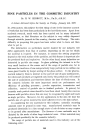
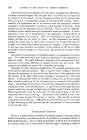
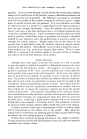
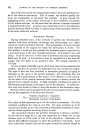
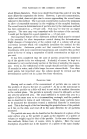
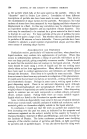
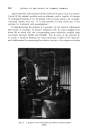
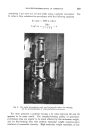
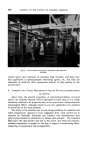
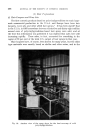
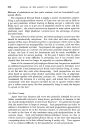
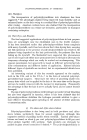
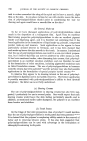
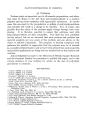
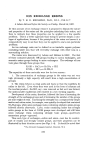
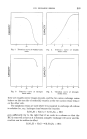
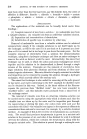
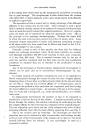
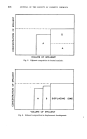
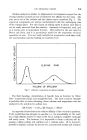
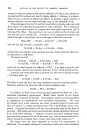
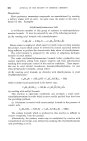
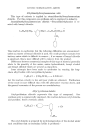
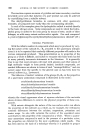
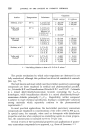
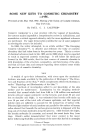
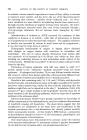
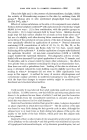
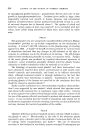
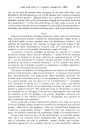
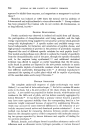
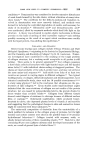
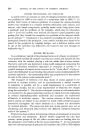
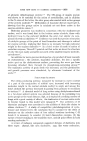
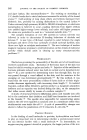
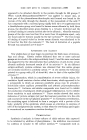
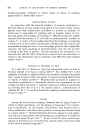
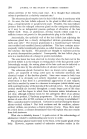
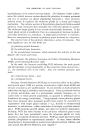
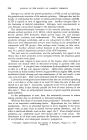
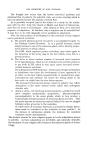
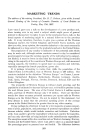
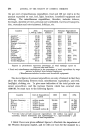
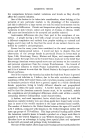
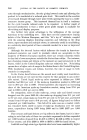
ION EXCHANGE RESINS 213 •H Fig. 1. Titration curve of weakly basic resin. 2 Fig. 2. Titration curve of weakly acidic resin. Fig. 3. Titration curve of strongly basic resin. pH Fig. 4. Titration curve of strongly acidic resin. these are roughly mirror images in pairs, and the two anion exchange resins behave on the one side of neutrality exactly as the two cation resins behave on the other side. , The sulphonic resins are used where it is required to exchange all cations in solution for, say, hydrogen ions because the reaction R.SO•H + NaCI• R.SO3Na + HC1 goes sufficiently far to the right that if we work in a column so that the HC1 is removed as fast as it is formed, complete exchange will occur and the reaction can be written in effect R.SO•H + NaC1---•R.SO•Na + HC1

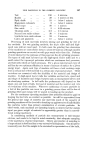
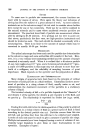
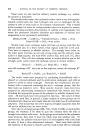
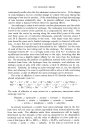
214 JOURNAL OF THE SOCIETY OF COSMETIC CHEMISTS These resins are also used for ordinary neutral exchange, e.g., sodium for calcium or potassium. The weakly acidic resins--the carboxylic resins--show a very low capacity towards neutral salts but their hydrogen ions can be exchanged for the cations of salts of weak acids as, for example, bicarbonates. This is useful in the treatment of water for cooling systems where it is required to remove the scale-forming hardness (bicarbonates of calcium and magnesium), but where the permanent hardness (chl?r•ides and sulphates of calcium and magnesium) is not particularly undesirable: 2Resin-COOH + Ca(HCO3)2--• (Res•n-COO)2Ca + 2H•O + 2CO, Resin-COOH + CaCI• --• no action Weakly basic anion exchange resins will take up strong acids like the mineral acids and, to a lesser extent, weak organic acids like acetic acid. They have no capacity in alkaline solution. The strongly basic resins, on the other hand, will take up not only strong acids and the ordinary weak acids to a high capacity, but such feeble acids as H•S, boric acid, CO•, silica and phenols. They will also exchange anions in neutral solution just as the strongly acidic cation resins will exchange cations in neutral solution: Resin. C1.- + NaNO• • Resin. NOs- + NaC1 and will exchange OH- ions just as the sulphonic resins will exchange H + ions: Resin. OH + NaNO• • Resin. NOa + NaOH The earlier resins were prepared by condensing formaldehyde with a phenol • or a phenol sulphonic acid s to yield cation exchangers, and with an amine 4 to yield an anion exchanger. Generally the condensation was per- formed with a compound cohtaining the active exchange groups that the final resin was desired to carry. More recently, however, resins have been prepared by polymerising unsaturated compounds like styrene and then attaching the appropriate groups to the polymer by suitable chemical treat- ment. All four types have been prepared in this way. The nature of these polymers is such that, in general, a larger number of active groups can be introduced into them per unit weight than into the older type of condensation polymers. This means that the newer types have higher capacities than the old and in addition they are more stable. Since the ion exchange groups (NH•, NR4, SO,H, COOH) are hydrophilic groups, the tendency is for them to pass into solution when the resin is brought into contact with water. As the groups are attached to the polymeric resin structure, they tend to draw the whole resin into solation also. To prevent this, the polymer structure' has to be tied !ogether with cross links in order to form a three-dimensional molecule. These cross links restrain the tendency of the resin to dissolvd and the result is that the ion exchange
Purchased for the exclusive use of nofirst nolast (unknown)
From: SCC Media Library & Resource Center (library.scconline.org)