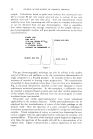
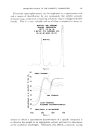
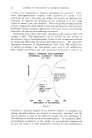
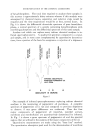
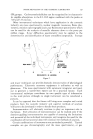
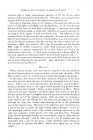
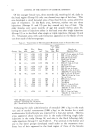
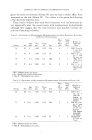
312 JOURNAL OF THE SOCIETY OF COSMETIC CHEMISTS proposed method allows a quick and easy estimation of cysteine in solutions containing amounts as little as 0.3 •gm./ml. The presence of cystine even in concentrations reaching 50 times those of cysteine does not interfere with the procedure. REFERENCES (1) Artigas, J., Buscar6ns, F., and Rodriguez-Roda, C., Alnles real soc. espah. f4s. y qufm. (Madrid), 56-B, 377-8 (1960). (2) Vassel, B., )e. Biol. Chem., 140, 323 (1940). (3) Nakamura, K. and Binkley, F., [bid., 173, 407 (1948). (4) Mentzer, C., •. pharm. chim., 27, 145 (1938). (5) Hazeloop, E., Chimie & inustrie, 33, 325 (1935). (6) Sch6berl, A., Ber., 70B, 1422 (1937). (7) Hellerman, L., •. Arm. Chem. Soc., 63, 2551 (1941). (8) Barnstein, H. D., •. Biol. Chem., 89, 125 (1930). (9) Kolthoff, I. M., and Stricks, W., Atril. C,•em., 26, 366 (1954). (10) Kolthoff, I. M., and Stricks, W., [bicl., 23, 763 (1951). (11) Kolthoff, I. M., and Stricks, W., •. Aim. Chem. Soc., 72, 1952 (1950). (12) Buscar6ns, F. and Artigas, J., Atril. Chim. Atcta, 19, 4343 (1958). (13) Buscar6ns, F. and Artigas, J., [bid., 16, 452 (1957). (14) Artigas, J., Buscardns, F., and Rodriguez-Roda, C.,/lnles real soc. espa•. fis. y qufm. (Madrid), 56-B, 369 (1960). (15) Artigas, J., Buscar6ns, F., and Rodriguez-Roda, C., [3id., 56-B, 373 (1960). EFFECT OF VARIOUS METALLIC IONS ON THE GROWTH O F Penicillium glaucum, Aspergillus niger and Achorion quinckeanum By R. BP. trN and A. MAGGIORA* Presenled at the Conference InternationaL' de la Soci4td Suisse des Chimistes Cosmeticiens, Genbve, /lugust 26-28, Iv •T •s true that the growing of micro6rganisms is dependent on the presence of metal ion traces, it is no less certain th_•t some cations in a specific concentration have the opposite effect. Of the latter, silver is the best known and its antiseptic effect has been used prof- itably for quite a long time. Nowadays in spite of the synthetic disin- fectants and antibiotics, the antiseptic properties of the silver salts are still used. The process of inhibition by metals has been studied mainly on the growth of bacteria, and on Staph. aureus in particular in particular. Here related researches result from several observations. First: when observing the growth of .4chorion quinckeanum on pieces of guinea pig * Depart. of Dermatology (Chairman: Prof. W. Jadassohn), University of Geneva, HSpital Cantonal• Geneva, Switzerland.

312 JOURNAL OF THE SOCIETY OF COSMETIC CHEMISTS proposed method allows a quick and easy estimation of cysteine in solutions containing amounts as little as 0.3 •gm./ml. The presence of cystine even in concentrations reaching 50 times those of cysteine does not interfere with the procedure. REFERENCES (1) Artigas, J., Buscar6ns, F., and Rodriguez-Roda, C., Alnles real soc. espah. f4s. y qufm. (Madrid), 56-B, 377-8 (1960). (2) Vassel, B., )e. Biol. Chem., 140, 323 (1940). (3) Nakamura, K. and Binkley, F., [bid., 173, 407 (1948). (4) Mentzer, C., •. pharm. chim., 27, 145 (1938). (5) Hazeloop, E., Chimie & inustrie, 33, 325 (1935). (6) Sch6berl, A., Ber., 70B, 1422 (1937). (7) Hellerman, L., •. Arm. Chem. Soc., 63, 2551 (1941). (8) Barnstein, H. D., •. Biol. Chem., 89, 125 (1930). (9) Kolthoff, I. M., and Stricks, W., Atril. C,•em., 26, 366 (1954). (10) Kolthoff, I. M., and Stricks, W., [bicl., 23, 763 (1951). (11) Kolthoff, I. M., and Stricks, W., •. Aim. Chem. Soc., 72, 1952 (1950). (12) Buscar6ns, F. and Artigas, J., Atril. Chim. Atcta, 19, 4343 (1958). (13) Buscar6ns, F. and Artigas, J., [bid., 16, 452 (1957). (14) Artigas, J., Buscardns, F., and Rodriguez-Roda, C.,/lnles real soc. espa•. fis. y qufm. (Madrid), 56-B, 369 (1960). (15) Artigas, J., Buscar6ns, F., and Rodriguez-Roda, C., [3id., 56-B, 373 (1960). EFFECT OF VARIOUS METALLIC IONS ON THE GROWTH O F Penicillium glaucum, Aspergillus niger and Achorion quinckeanum By R. BP. trN and A. MAGGIORA* Presenled at the Conference InternationaL' de la Soci4td Suisse des Chimistes Cosmeticiens, Genbve, /lugust 26-28, Iv •T •s true that the growing of micro6rganisms is dependent on the presence of metal ion traces, it is no less certain th_•t some cations in a specific concentration have the opposite effect. Of the latter, silver is the best known and its antiseptic effect has been used prof- itably for quite a long time. Nowadays in spite of the synthetic disin- fectants and antibiotics, the antiseptic properties of the silver salts are still used. The process of inhibition by metals has been studied mainly on the growth of bacteria, and on Staph. aureus in particular in particular. Here related researches result from several observations. First: when observing the growth of .4chorion quinckeanum on pieces of guinea pig * Depart. of Dermatology (Chairman: Prof. W. Jadassohn), University of Geneva, HSpital Cantonal• Geneva, Switzerland.
Purchased for the exclusive use of nofirst nolast (unknown)
From: SCC Media Library & Resource Center (library.scconline.org)