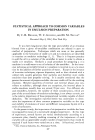
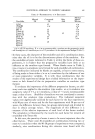
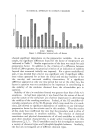
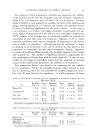
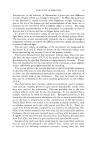
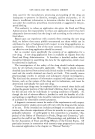
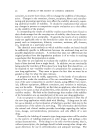
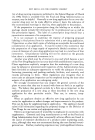
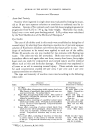
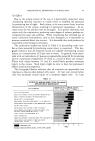
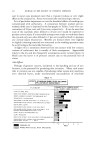
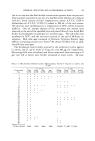
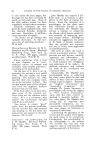
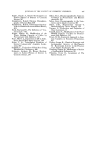
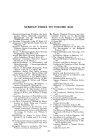
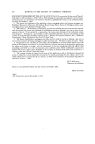
TOXICOLOGICAL PROPERTIES OF SURFACTANTS 473 Eye Effects Due to the unique nature of the eye, it is particularly important when :onsidering chemical reactions to ocular tissue to establish the potential ?or producing loss of sight. Such injury, in its most severe form, involves •lenaturation of the cornea, resulting in a permanent opaqueness. In ex- treme cases the iris and lens may be damaged. Less potent chemicals may !njure only the conjunctiva, producing some degree of redness, perhaps ac- companied by pain and swelling. When considering the intended use of many surfactant formulations, such as hair shampoos, it is reasonable to assume occasional direct eye contact. It is desirable that such products be essentially nonirritating to eye tissues. The surfactants studied are listed in Table 2 in descending order inso- Far as their potential for producing ocular injury is concerned. This bar- graph indicates that all materials tested are capable of producing corneal injury at a concentration of 25 per cent in water. In general, those mate- irials with an index above 4.$ possess an appreciable potential for producing •severe or permanent impairment of vision as a result of direct eye contact. if'hose with values between 3.5 and 4.5 would likely produce moderate iinjury to the cornea. Such injury might be slow to heal, but permanent leffects would not be expected. This bar-graph likewise indicates that all materials are appreciably less Jinjurious to the eye when diluted with water. At 5 per cent concentration ionly four produced corneal injury of a moderate degree only. At 1 per TABLE II I EFFECTS OF WASHING RABBIT EYES FOLLOWING I APPLICATION OF SURFACTANTS 25% IN WATER LAURiC OIETHANOL AMIOE OOOECYLATEO DIPMENYL ETHER DISULFONATE MAGNES[UM SALT OOOECYL BENZENE SULFONATE TRIETHANOLAMINE SALT SOOIUM DIOCTYL SULFOSUCCINATE NONYLPHENOL ETHYLENE OXIOE AOOUCT {9-10 MOLES E.O.) 5001UM OOOECYLATEO 01PHENYL ETHER MONOCHLORO SULFONATE SODIUM LAURYL SULFATE 5001UM DOOECYLATE• DIPHENYL ETHER DISULFONATE SODIUM OOOECYLATEO OIPHENYL ETHER DISULFONATE 25 % POLYVINYL OXAZOLIOINONE METHYLATED B.3 % LAURYL SULFATE TRIETHANOLAMINE SALT LAURYL IM[DAZOLINE OOOECYLATEO OIPHENYL ETHER 015ULFONATE TRIETHANOLAMINE SALT SODIUM OOOECYLATEO DIPHENYL ETHER DISULFONATE 5001UM LAURYL SULFATE -- I:1 RATIO UNWASHED EYE WASHED WITHIN 30 SEC. AFTER APPLICATION CONJUNCTIVITIS [CORNEAL INJURY V. SL I SLIGHT J MOO. I SEVERE I ', 2 3 4 INDEX

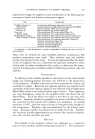
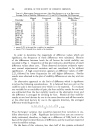
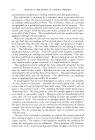
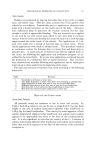
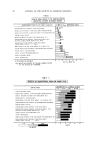
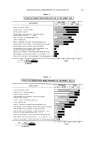
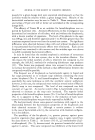
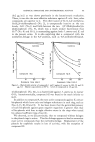
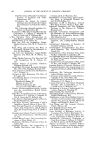
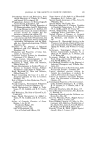
474 JOURNAL OF THE SOCIETY OF COSMETIC CHEMISTS cent in water none produced more that a transient redness or very slight effect on the conjunctiva. Some were essentially nonirritating to the eye. It is of particular importance to note the beneficial effects of washing eyes contaminated with surfactants. A comparison between washed and un• washed rabbit eyes is depicted by the bar-graphs in Tables 3 and 4 for con- centrations of 25 per cent and 5 per cent, respectively. It can be seen that none of the materials when diluted to 25 per cent would be expected to produce severe injury if a reasonable attempt were made to wash them from the eye and only one when diluted to 5 per cent would be likely to produco any corneal injury whatsoever. Benefits are limited where very slightl:d or slightly irritating materials are concerned as the washing operation mayl be as irritating as the materials themselves. A slight iritis is sometimes observed from eye contact with low concen4 trations of surfactants but is usually of little consequence. Appreciabld injury to the iris and lens frequently accompanies severe corneal injury, ini which case the latter is of primary concern due to the potential loss off vision. Skin Effecls Perhaps of greatest concern, incidental to the handling and use of sur-I factants, is the potential for producing skin irritation. Many such mate-: rials in common use are capable of producing rather severe skin reactions, I even chernical burns, under recommended use-conditions of relativelyl TABLE IV EFFECTS OF WASHING RABBIT EYES FOLLOWING APPLICATION OF SURFACTANTS 5 % IN WATER LAURIC DIETHANOL AMIDE DODECYLATED DIPHENYL ETHER DISULFONATE MAGNESIUM SALT DODECYL BENZENE SULFONATE TRIETHANOLAMINE SALT SODIUM DIOCTYL SULFOSUCCINATE NONYLPHENOL ETHYLENE OXIDE ADDUCT (9-10 MOLES E.O.) SODIUM DODECYLATED DIPHENYL ETHER MONCHLORO SULFONATE SODIUM LAURYL SULFATE SODIUM DODECYLATED DIPHENYL ETHER DISULFONATE SODIUM DODECYLATED DIPHENYL ETHER DISULFONATE 25 0/, POLYVINYL OXAZOLIDINONE METHYLATED 8.) % LAURYL SULFATE TRIETHANOLAMINE SALT LAURYL IMIOAZOLINE DODECYLATED DIPHENYL ETHER DISULFONATE TRIETHANOLAMINE SALT SODIUM DODECYLATED DIPHENYL ETHER DISULFONATE SODIUM LAURYL SULFATE -- I ' I RATIO UNWASHED EYE WASHED WITHIN 30 SEC. AFTER APPLICATION CONJUNCTIVITIS CORNEAL INJUR•J V. SL SLIGHT MOD, I SEV• 4 INDEX
Purchased for the exclusive use of nofirst nolast (unknown)
From: SCC Media Library & Resource Center (library.scconline.org)