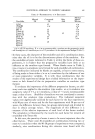
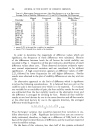
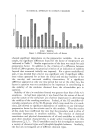
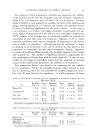
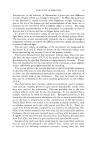
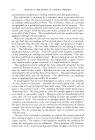
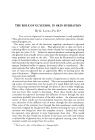
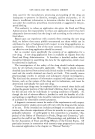
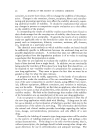
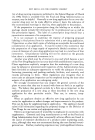
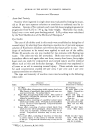
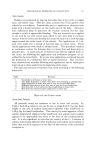
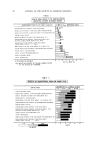
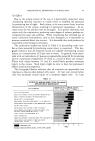
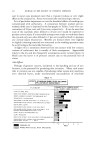
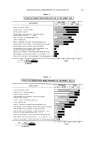
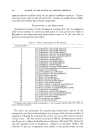
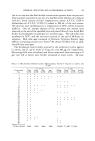
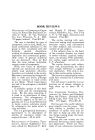
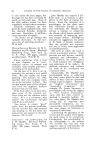
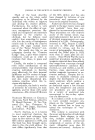
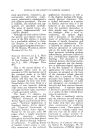
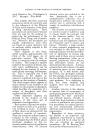
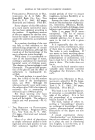
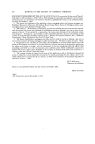
TOXICOLOGICAL PROPERTIES OF SURFACTANTS TABLE V EFFECTS OF SURFACTANTS WHEN APPLIED TO THE RABBIT EAR 475 SURFACTANTS LAURIC DIETHANOL AMIDE SODIUM DIOCTYL SOLFOSUCClNATE SO0[UM LAURYL SULFATE SODIUM DODECYLATEO 01PHENYL ETHER DISULFONATE SODIUM LAURYL SULFATE -- I:1 RATIO LAURYL SULFATE TRIETHANOLAMINE SALT LAURYL IMIOAZOLINE DOOECYL BENZENE $ULFONATE TRIETHANOLAMINE SALT SOOIUM DODECYLATED OIPHENYL ETHER MONOCHLORO SULFONATE SODIUM OODECYLATED DIPHENYL ETHER DISULFONATE SOOIUM DODECYLATED DIPHENYL ETHER OlSULFONATE 25 % POLYVINYL OXAZOLIDINE METHYLATED 8.3 % DODECYLATED DiPHENYL ETHER DISULFONATE MAGNESIUM SALT NONYLPHENOL ETHYLENE OXIDE ADDUCT (9-10 MOLES E.O.) OODECYLATED DIPHENYL ETHER DISULFONATE TRIETHANOLAMINE SALT I% 5% 25% x iN WATER ERYTHEMA BURN V. SL. I SLIGHT MOO SEV. ,, 2 3 4 5 INDEX TABLE V I EFFECTS OF SURFACTANTS WHEN CONFINEO TO THE RABBIT BELLY SORFACTANTS LAURIC DIETHANOL AMIDE SOOIUM DIOCTYL SULFOSUCCINATE SODIUM LAURYL SOLFATE SODIUM DODECYLATED DIPHENYL ETHER DtSULFONATE SODIUM LAURYL SULFATE LAURYL SULFATE TRIETHANOLAMINE SALT LAURYL IMIDAZOLINE DODECYL BENZENE SULFONATE TRIETHANOLAMINE SALT SODIUM DODECYLATED DIPHENYL ETHER MONOCHLORO SULFONATE SODIUM DODECYLATED DIPHENYL ETHER D[SULFONATE SODIUM DOOEoeYLATEO DIPHENYL ETHER'DISULFONATE 25 POLYVINYL OXAZOLIDINONE METHYLATEO B 3 % DODECYLATED DIPHENYL ETHER D[SULFONATE MAGNESIUM SALT NONYLPHENOL ETHYLENE OXIDE ADOUCT ( 9-IO MOLES E.O.) OODECYLATEO DIPHENYL ETHER OlSULFONATE TRIETHANOLAMINE SALT i% 5% 25% IN WATER ERYTHEMA BURN V. SL. [ SLIGHT MOO. SEV. i 2 3 4 5 6 INDEX

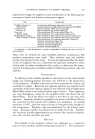
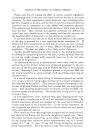
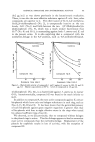
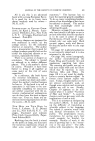
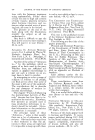
476 JOURNAL OF THE SOCIETY OF COSMETIC CHEMISTS moderate exposure. The tests conducted in this study were designed to evaluate concentrated and dilute solutions under conditions of both severe and mild exposure. Table 5 presents the average reaction of three rabbits to repeated, pro- longed, applications to the uncovered intact skin of the ear. This tech- nique simulates exposure to uncovered skin which can be assumed to occur with many cosmetic preparations. Table 6 presents results of similar ex- posure under more rigorous conditions of close confinement to abraded as well as intact skin of the shaved rabbit belly. Such conditions could be encountered from spills or splashes on the clothing or shoes. The data reveal that four of the materials studied at 25 per cent concen- tration produced chemical burns upon single, prolonged contact, either when applied to the uncovered skin of the rabbit ear or when confined to the rabbit belly. Several materials possess indexes between 4 and 5.5, which indicates that they may cause burns upon repeated, prolonged contact. Abraded skin is particularly vulnerable to such exposure. The test mate- rials possessing indexes between 2 and 4 have relatively low toxicities in- sofar as skin irritating properties are concerned. Repeated, prolonged, confined contact with the rabbit belly over a period of fourteen days pro- duced no more than a very slight to slight erythema and even less irritation to the ear. Five of the materials at 25 per cent concentration fall into this class. When reduced to 1 per cent in water all of the test materials proved to be very low in skin irritating potential. Some produced no effect what- soever upon the ear at 5 per cent concentration and only a very slight effect at 25 per cent. The data indicate that of the materials tested those least likely to be skin irritants are the ethylene oxide adduct of nonylphenol and the sodium, magnesium and triethanolamine salts of dodecylated diphenyl ether di- sulfonate, the triethanolamine salt of the latter being the least irritating of all. SUMMA R Y The toxicological properties of several commercially available surfactants have been determined and compared from the viewpoints of acute oral tox- icity, eye effects and skin effects. Since the results show that there are wide differences on all counts be- tween the materials studied, the data presented should be helpful in the selection of surfactants for use in formulations where health and safety are of prime concern. The information given herein is presented in good faith, but no warranty is given nor is freedom from any patent owned by The Dow Chemical Company or by others, to be inferred.
Purchased for the exclusive use of nofirst nolast (unknown)
From: SCC Media Library & Resource Center (library.scconline.org)