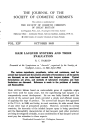
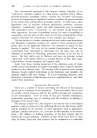
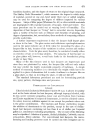
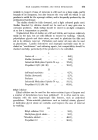
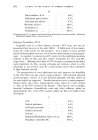
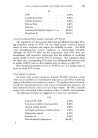
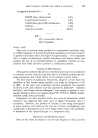
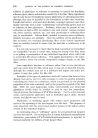
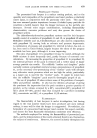
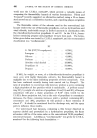
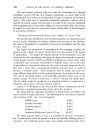
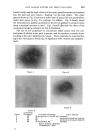
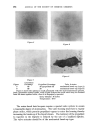
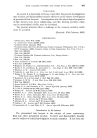
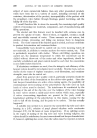
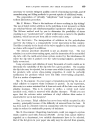
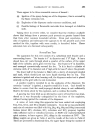
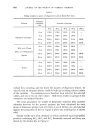
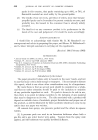
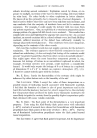
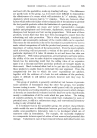
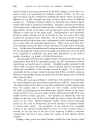
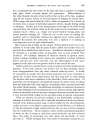
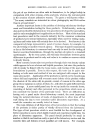
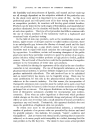
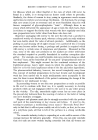
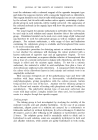
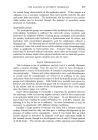
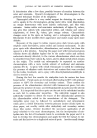
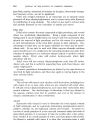
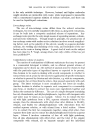
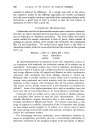
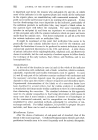
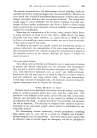
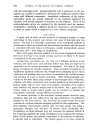
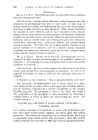
HAIR LACQUER SYSTEMS AND THEIR EVALUATION 483 treated easily, and the high velocity of the spray particles ensures penetration into the hair and also reduces "beading" on the hair shafts. The spray pattern shown in Fig. 2 indicates a softer type of spray with less penetration, whilst that shown in Fig. $ is, perhaps, too diffuse. Fig. •t clearly shows the unsatisfactory pattern produced by the low propellant to product ratio, when a standard actuator is used. Figs. 5 and 6 illustrate the effect of the mechanical break-up actuator on this formulation. The use of low propellant to concentrate ratios means that the con- centration of alcohol in the pack is greater, and the tendency towards stress- cracking of the valve diptube is increased. There could also be come harden- ing of the valve gasket, which may be significant with "mother and daughter" packs. Figure 1 2 3 4 Figure 1 Figure Figure Figure Concentrate Percentage 35 35 65 -propellant _Percentage Valve .4 ctuator 65 (propenant 1 l/IV. (50: 50) ) standard 65 .... mechanical break-up (type A) 65 ,, mechanical break-up (type B) 35 (prd•ellant 12) standard Spray distance: 8 inches Temperature: 70øF.

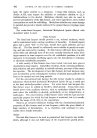
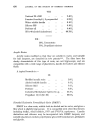
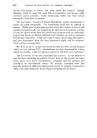
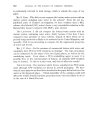
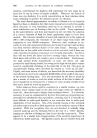
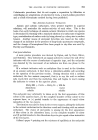
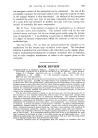
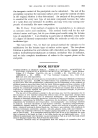
484 JOURNAL OF THE SOCIETY OF COSMETIC CHEMISTS Figure Figure ......... • ............. Figure 8 Figure • Concentrate Figure Percentage Propellant Percentage Valve Actuator 5 65 35 (propellant 12) mechanical break-up (type A) 6 65 35 mechanical break-up (type B) Figure • shows the optimum result obtainable with the same formulation sprayed, from a polythene squeeze bottle, while Figure 8 shows the result which may be obtained from the same squeeze bottle, when it is improperly operated. Spray distance: 8 inches Temperature: 70øF. The water-based hair lacquers require a special valve system to ensure a reasonable degree of atomization. The valve housing must have a vapour phase orifice, which permits propellant vapour to enter the housing thereby increash•g the break-up of the liquid stream. The tendency of the propellant to vaporize in the diptube is reduced by the use of a capillary diptube. The valve actuator should be of the mechanical break-up type.
Purchased for the exclusive use of nofirst nolast (unknown)
From: SCC Media Library & Resource Center (library.scconline.org)