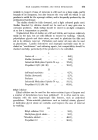
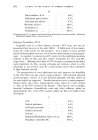
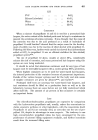
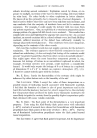
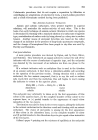
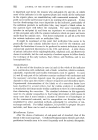
476 JOURNAL OF THE SOCIETY OF COSMETIC CHEMISTS VIII National 28-1510 .... 2-anfino-2-methyl-1, 3-propanediol Water soluble lanolin .... Silicone 555 ...... Perfume oil ...... SDA-40 alcohol (anhydrous) .. 2.40% 0.22% O. lO% O. lO% 0.40% 96.78% Fill: 30% Concentrate 70% Propellant mixture Acrylic Resins Acrylic resins modified so that they are soluble in water, and suitable for hair lacquers, are described in two patents 9'xø. The films have the clarity characteristic of this type of resin, are not hygroscopic, and are compatible with a wide range of plasticizers, lanolin derivatives and silicone fluids. A typical formula is :-- IX Modified acrylic resin .... Alcohol soluble lanolin .... Silicone fluid ...... Perfume ........ Industrial Methylated Spirits 74 o.p. Propellant 12/11 (50: 50) .. 2.0% o.•% o.1% o.s% a7.a% 60.0% Dimethyl Hydantoin Formaldehyde Resin (DMHF) DMHF is a clear resin, soluble both in alcohol and in water, and gives a film which is slightly hygroscopic. It is compatible with other film formers including shellac, ethyl cellulose, PVP and PVP/VA copolymers. Lanolin derivatives and silicones may be incorporated into DMHF lacquers, and suitable plasticizers include polyethylene glycol 400 monolaurate, phthalates and glycols.

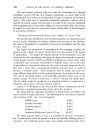
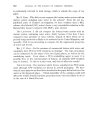
HAIR LACQUER SYSTEMS AND THEIR EVALUATION 477 A suggested formula isn: -- X DMHF resin, refined grade .... 5.0% Liquid lanolin fraction ...... 0.5?/0 Polyethylene glycol 400 monolaurate .. 0.5% Perfume .......... 1.0% Anhydrous alcohol ...... 93.0% Fill :-- 40% Concentrate (above) 60% Propellant Devlex A.515 This resin, at present being produced in experimental quantities only, is a 50/50 copolymer of N-vinyl-5-methyl-2-oxazolidone and vinyl acetate TM. It produces clear films with a low degree of hygroscopicity. It is compatible with a variety of plasticizers, lanolin derivatives and silicone fluids, but requires the use of 1,1,1-trichloroethane or methylene ch!oride, in con- junction with ethyl alcohol to produce a satisfactory product. Toxicity of Film Formers Although the synthetic fihn formers described above have been subjected to extensive toxicity tests, the long-term effects of inhaled particles are now being questioned, and a brief survey of the position is given below. The first report of pulmonary thesaurosis, alleged to result from the inhalation of hair lacquer spray particles, was made by Bergmann et al TM in 1958. In the same year, pulmonary alveo!ar proteinosis was reported by Rosen et al •4, and a further case was reported by Ede!ston •. Calandra and Kay •6, and Draize and his colleagues •7, were unable to produce a com- parable inha!ation disease in animals using PVP, PVP/VA, DMHF, shellac, modified acrylic resin and lanolin. Bergmann •8 has since reported twelve new cases of thesaurosis, whilst Schepers •9 has suggested that some cases of alleged thesaurosis may be sarcoidosis. However, the problem of toxicity is now being investigated in many quarters, but whatever the outcome of these investigations, any modification of formulation or of valve design which reduces the possibility of inhalation of the sprayed lacquer is a progressive step. Plasticizers and Modifying Agents None of the resins developed so far for hair lacquers is ideal, and the
Purchased for the exclusive use of nofirst nolast (unknown)
From: SCC Media Library & Resource Center (library.scconline.org)