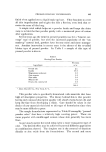
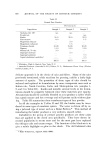
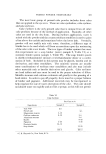
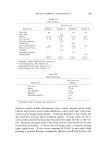
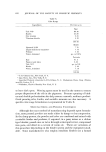
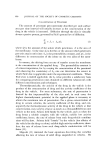
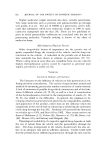
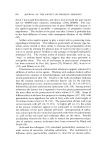
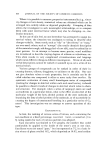
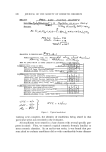
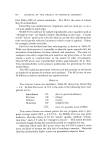
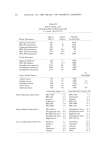
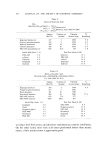
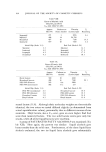
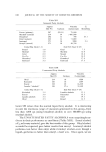
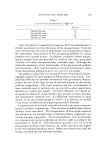
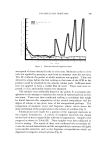
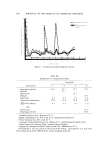
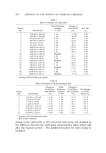
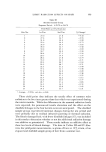
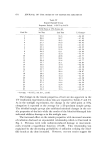
648 JOURNAL OF THE SOCIETY OF COSMETIC CHEMISTS Table XII Saturated Fatty Alcohols Approx Viscosity Mol Wt Carbons (Lotion)(cps) Branching Linear (primary) 207 (12-15 ) 75,000 . . . Myristyl (natural) 214 14 100,000 . . . Hexadecyl 242 16 790 35.1 Cetyl (natural) 242 16 71,800 ... Isostearyl 271 18 9200 5.6 Stearyl (natural) 271 18 58,700 . . . Initial Slip (Scale 1-5) End Feel (Scale 4-20) Stearyl 1.8 Cetyl 7.5 Myristyl 1.8 Myristyl 12.0 Cetyl 2.0 Stearyl 12.4 Ca2-C•5 2.9 C•2-C•5 14.0 Hexadecyl 3.3 Hexadecyl 17.0 Isostearyl 3.5 Isostearyl 17.3 Table XIII Unsaturated Fatty Alcohols Approx Viscosity Mol Wt Carbons (Lotion)(cps) Oleyl 269 18 6520 Ricinoleyl 285 18 2304 Erucyl 325 22 66,400 Lanolin "alcohols" 385 274- 39,500 Initial Slip (Scale 1-5) End Feel (Scale 4-20) Ricinoleyl 3.0 Lanolin alcohols 11.5 Erucyl 3.0 Ricinoleyl 12.5 Lanolin alcohols 3.5 Oleyl 14.5 Oleyl 4.5 Erucyl 16.5 better SFI values than the normal liquid fatty alcohol. It is interesting to note the enormous range of viscosities generated in this group--from less than 1,000 cps (using hexadecyl alcohol) to over 100,000 cps using myristyl alcohol. The UNSATURATED FATTY ALCOHOLS were surprisingly me- diocre in their performance as emollients (Table XIII). Erucyl alcohol, a C22 soft waxy material, gave the best results of this group. Oleyl alcohol, as would be expected, gave better results than stearyl. Isostearyl alcohol performs even better than oleyl, while ricinoleyl alcohol--even though a liquid--performs no better than stearyl, a hard wax. Once again, we see

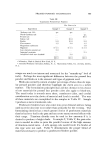
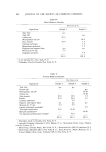
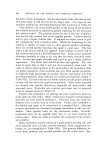
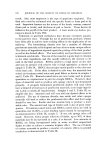
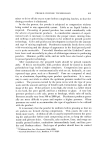
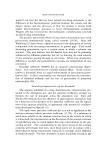
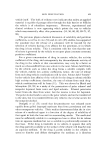
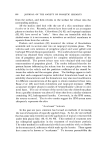
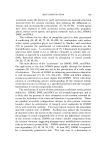
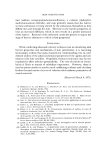
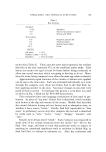
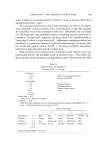
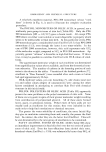
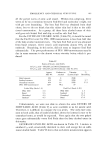
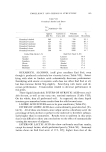
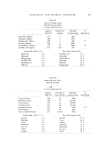
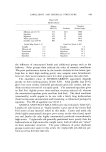
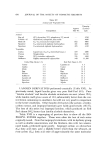
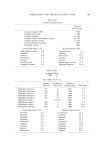
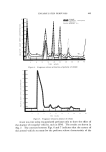
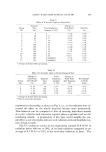
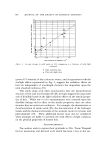
EMOLLIENCY AND CHEMICAL STRUCTURE 649 Table XIV Hydrocarbons Approx Viscosity Mol Wt Carbons (Lotion)(cps) Mineral oil (65/75) Squalene Squalane White petrolatum Paraffin wax (130 øF) Initial Slip (Scale 1-5) Paraffin 4.0 Mineral oil 4.3 Petrolatum 5.0 Squalane 5.0 Squalene 5.0 335 234- 9000 411 30 8680 423 30 6140 500 35 6810 400 6430 End Feel (Scale 4-20) Paraffin 7.0 Petrolatum 10.0 Squalane 14.3 Mineral oil 16.5 Squalene 17.3 the influence of unsaturated bonds and additional groups such as the hydroxy. Polar groups often reduced the value of cosmetic emollients. The poor performance shown by the lanolin alcohols in this lotion (per- haps due to their high melting point) may surprise some formulators however, their usual cosmetic use is for other properties than skin feel. The emollient value of HYDROCARBONS apparently depends greatly on their melting points (Table XIV). Solid paraffin (mp 55øC) gives very poor results, semisolid petrolatum gives fair results, and me- dium viscosity mineral oil was quite good. The saturated squalane gives an End Feel slightly poorer than medium viscosity mineral oil, whereas the unsaturated squalene gives excellent End Feel. The ideal emollient (structurally) would appear to be one with a fairly long hydrocarbon chain having some unsaturation and branching, as illustrated perhaps by squalene. The SFI of squalene was 5.0/17.3. ANIMAL AND VEGETABLE OILS were also evaluated (Table XV). Lanolin oil (also known as "liquid lanolin") gave one of the lowest End Feel scores of any material tested in this study. Castor and mink oils (both highly unsaturated) also gave poor scores on the other hand, squal- ene and Jojoba oils (also highly unsaturated) produced extraordinarily high scores. Triglyceride oils generally performed more poorly than the hydrocarbons or high molecular weight esters, both o[ which are "oilier" in their molecular structure. The poor influence of polar (hydroxy) groups is seen once again in this series the triglyceride oils did not per- form as well as the fatty ester oils.
Purchased for the exclusive use of nofirst nolast (unknown)
From: SCC Media Library & Resource Center (library.scconline.org)