QUANTITATIVE ASPECTS OF CORNEOCYTES 7 This allows many measurements with good statistical estimation for each subject. The turbine machine is proposed to evaluate natural desquamation by a non-invasive method in man. Fields of application might include cosmetics and dermatology. Then, shape and size measurements of corneocytes during a therapy should yield information about the keratinization process and its modification. ACKNOWLEDGEMENTS We acknowledge the assistance of M. Leveque and the Physics Group who conceived and produced the turbine apparatus. REFERENCES (1) K. J. McGinley, R. R. Marpies and G. Piewig, A method for visualizing and quantitating the desquamating portion of the human stratum corneum,J. Invest. DermatoL, 53, 107-111 (1969). (2) S. Nichols and R. Marks, Novel techniques for the estimation of intracorneal cohesion in vivo, Brit. J. Dermatol., 96, 595-601 (1977). (3) G. Plewig and R. R. Marpies, Regional differences of cell sizes in the human stratum corneum, J. Invest. DermatoL, 54, 13-18 (1970). (4) E. Holzle and G. Piewig, Effects of dermatitis, stripping and steroids on the morphology of corneocytes: A new bioassay,J. Invest. DermatoL, 68, 350-356 (1977). (5) G. L. Grove, Exfoliative cytological procedures as a nonintrusive method for dermatogerontological studies,J. Invest. DermatoL, 73, 67-69 (1969). (6) D. Roberts and R. Marks, The determination of regional and age variations in the rate of desquamation: A comparison of four techniques,J. Invest. DermatoL, 74, 13-16 (1980). (7) M. S. Christensen, S. Nacht, S. L. Kantor and E. H. Gans, A method for measuring desquamation and its use for assessing the effects of some common exfoliants,J. Invest. DermatoL, 71,289-294 (1978). (8) M. F. Stringer and R. R. Marpies, Ultrasonic methods for sampling human skin microorganisms, Brit. J. Dermatol., 94, 551-555 (1976). (9) G. L. Grove, R. M. Lavker, E. Hoelzle and A.M. Kligman, Use of non-intrusive tests to monitor age-associated changes in human skin, J. Soc. Cosmet. Chem., 32, 15-26 (1981). (10) G. L. Grove, R. M. Lavker and A.M. Kligman, Use of microspectrophotometry in dermatological investigations,J. Soc. Cosmet. Chem., 29, 537-544 (1978). (11) H. Goldschmidt, Surface area measurements of psoriatic corneocytes: Effects of intralesional steroid therapy,J. Invest. Dermatol., 73, 558-560 (1979).

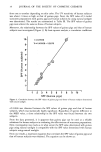
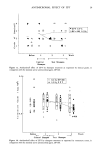
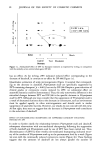
J. Xoc. Cosmet. Chem., 33, 9-18 (January/February 1982) New method for evaluating the effectiveness of sunscreen products MINORU FUKUDA, SATORU AKIU, MIEKO YAMAZAKI, KEISUKE NAKAJIMA and SABURO OHTA, Shiseido Laboratories, Nippacho 1050, Kohoku- ku, Yokohama, Japan. Received May 6, 1981. Presented at the SCC Annual Scientific Seminar, 1Vashington, D.C., May 21-22, 1981. Synopsis An accurate and convenient method for determining the SPF value using laboratory animals as a substitute for human subjects was developed. A good correlation between the SPF values of guinea pigs and human subjects was found using natural sunlight. Guinea pigs proved useful in evaluating the effectiveness of sunscreen preparations. However, considerable SPF difference was found to depend not only on the type of light source with different emission spectra, but also on the UV intensity of the light source. When artificial sunlight, including the solar simulator, is used for determining the SPF value, it is necessary to consider the spectral output, the UV intensity, and environmental factors. INTRODUCTION An increased interest in the harmful effects of sunlight on human skin has resulted in the marketing of numerous consumer products containing sunscreens. Simultaneously, a variety of methods have been used for evaluating the effectiveness of sunscreen products. In 1978, the United States Food and Drug Administration (FDA) published proposed rules which would establish conditions for the safety, effectiveness and labeling of over-the-counter (OTC) sunscreen drug products (1). Among the proposed rules, a method for the evaluation of the SPF is included, with the recommendation that the SPF value should be determined with human subjects either exposed to natural sunlight or solar simulator. However, testing with human subjects has some disadvantages: it is expensive, labor intensive, and frequently painful to the panelists. For these reasons, an accurate, yet convenient method for determining the SPF value using laboratory animals as a substitute for human subjects has been evaluated.
Purchased for the exclusive use of nofirst nolast (unknown)
From: SCC Media Library & Resource Center (library.scconline.org)