42 JOURNAL OF COSMETIC SCIENCE lightening products are widely used for cosmetic purposes. The ideal lightening agents should have a potent, rapid, and selective bleaching effect on hyperactivated melanocyte cells and carry no short- or long-term side effects. Interference with the melanin synthesis of the lightening agents can be achieved by regulating the activity of melanogenic enzymes, the distribution of melanosomes, and the turnover of pigmented keratinocytes. Most lightening agents act specially to reduce the function of tyrosinase, which is the key enzyme in melanin biosynthesis (1). Nowa days, several researchers have reported that the lightening effects relate to antioxidant properties. Compounds with redox properties can have depigmenting effects by inter acting with o-quinones and avoiding the oxidative polymerization of melanin interme diates. The phenolic derivatives of flavonoids are the most important antioxidants that can chelate the copper ions in tyrosinase. These indicate that the antioxidants can inhibit the activity of the tyrosinase enzyme and could be effective as lightening agents (1). Recently, safe and effective tyrosinase inhibitors extracted from natural sources have been reported for their potential applications in improving hyperpigmented disorders. For example, extracts from Glycyrrihiza glabra (licorice), Morus alba L. (white mulberry), Carthanus tinctorius L. (safflower), Arctostaphylos Uva-Ursi (bearberry), and Oryza Sativa (rice bran) have been used as skin-lightening agents. These materials are mostly free from harmful side effects. For this reason, there is an increasing interest in finding natural tyrosinase inhibitors from natural sources. Artocarpus incisus (breadfruit) belongs to the Moraceae family. This evergreen tree, called "Sa-Ke" in Thai, is found throughout the tropical world. Because its pulp contains a high content of carbohydrate in the amount of 76.7%, it has been used as an important source of energy over the years (2). It has been reported that the methanol extract of the heartwood of A. incisus grown in Okinawa, Japan, strongly inhibits tyrosinase activity (3). Additionally, the mother liquor from crystallization of A. incisus ether extract also shows a melanin biosynthesis-inhibitory effect on brown guinea pigs. The heartwood extract of A. incisus consists of several flavonoids including artocarpin, ( + )-norartocarpin, artocarpesin, ( + )-dihydromorin, chlorophorin, ( + )-norartocapanone, artocarbene, 4-prenyloxyresveratrol, and cycloartocarpin. Among these compounds, chlorophorin, ( + )-norartocapanone, artocarbene and 4-prenyloxyresveratrol show much higher tyrosi nase-inhibitory activity than kojic acid, whereas artocarpin does not show tyrosinase inhibitory activity. However, this compound shows a skin-lightening effect on the DVB-induced hyperpigrnented dorsal skin of brownish guinea pigs (4). It is likely that the A. incisus extract inhibits the melanogenesis process of melanocytes through other pathways. These findings lead to the question: does the crude extract exhibit higher rnelanogenesis-inhibitory activity than the purified artocarpin? Since the extract con tains several kinds of flavonoids, the synergistic effects of tyrosinase-inhibitory, antioxi dant, and other possible activities would be taking place. Therefore, the aim of this research was to evaluate the potential of A. incisus crude extract for application as a skin-lightening agent. The heartwood of A. incisus was extracted by using various organic solvents, and the obtained extracts were then used to determine the amount of artocarpin, a major component of A. incisus extract, by using high performance liquid chromatography (HPLC). The inhibitory effect of the extracts on melanin biosynthesis was investigated by using in vitro DOP Achrorne assay and a cell culture model. Additionally, an in vitro DPPH assay was performed to determine the

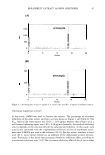
BREADFRUIT EXTRACT AS SKIN LIGHTENER 43 antioxidant activity of the extracts. The obtained results indicate the potential of the new source for skin-lightening application. MATERIALS AND METHODS PLANT MATERIALS The heartwood of A. incisus was collected from May to June of 2005 from Phitsanulok Province, Thailand. The heartwood was chipped in the size of 1 x 1 x 10 cm and exposed to the sun for two days. Then the chipped heartwoods were dried at 50°C for two days by using a hot-air oven and were ground into a powder by using a mill. The obtained powder was kept in a tight container at room temperature before being used. EXTRACTION PROCESS Two solvent systems, diethyl ether (analytical grade, Batch No. 04090204, LabScan Asia Co. Ltd., Bangkok, Thailand) or methanol (HPLC grade, Batch No. 03040021, LabScan Asia Co. Ltd.) were used for preparation of A. incisus extract with a modified method (3). According to our preliminary study, the different ratios between the amount of A. incisus powder and each solvent were selected due to the different capacity of each solvent to provide the highest percent yield of artocarpin in the extracts (8.25 g/1 kg for ether extract, 10.95 g/1 kg for methanol extract). Five-hundred grams of the A. incisus powder was placed in a percolator and then soaked with 800 ml of diethyl ether at room temperature for two days. The solution of A. incisus ether extract was filtered through a woven cloth filter and evaporated to a concentrate under reduced pressure with a vacuum evaporator set at 30°C. For preparation of the methanol extract, one kilogram of A. incisus powder was placed in the glass container and then soaked with 2 1 of methanol. The tight container containing the extracts was shaken at room temperature for one week. The solution of A. incisus extract was filtered and evaporated to a concentrate under reduced pressure with a vacuum evaporator at 50°C. After that, both kinds of extract were dried in a dessiccator. The dried extract was stored at -20°C in a tight amber glass before being used. DETERMINATION OF ARTOCARPIN CONTENT Isocratic high-performance liquid chromatography (HPLC) was used to determine the amount of artocarpin, a major component contained in the A. Incisus's heartwood extract. Artocarpin standard (purified artocarpin) was kindly provided by Dr. Kuniyoshi Shimizu, Faculty of Agriculture, Kyushu University, Japan. The HPLC instrument consisted of an SPD-l0MlOAVP diode array detector and an SCL-lOA central unit (Shimadzu Co., Ltd., Kyoto, Japan). A 5-µm Alltima Cl8 column of 250 x 4.60 mm diameter (Alltech Associates Inc., Illinois) was applied. The effluent consisted of a mixture of methanol:water (85:15). The flow rate of the effluent was 1 ml/min, and the volume of injection was 50 µl. Identification and quantification of the artocarpin was based on a peak area at 282 nm. All the experiments were performed in triplicate.
Purchased for the exclusive use of nofirst nolast (unknown)
From: SCC Media Library & Resource Center (library.scconline.org)