2007 ANNUAL SCIENTIFIC MEETING 91 EFFECTS OF ACUTE AND CHRONIC STRESS ON SKIN: CLINICAL STUDIES Margaret Altemus, Ph.D., Firdaus Dhabhar, Ruth Yang, Mary Matsui, Ph.D., Barbar Rao and Richard Granstein Weill Cornell Medical College, New York, NY 10021 Psychological stress has long been associated with exacerbation of dermatologic disorders, and recent work has examined the effects of stress on skin physiology. A series of studies have been conducted to compare the effects of acute and chronic stress on skin in healthy humans who do not have skin disorders. Laboratory stressors were used to induce acute stress responses and individuals with post-traumatic stress disorder were used as a model of chronic stress. Both a simulated job interview and sleep deprivation impaired skin barrier function recovery. In a separate study, the job interview stress also suppressed delayed-type hypersensitivity. In contrast, individuals with post-traumatic stress disorder showed enhancement of skin barrier function recovery and delayed-type hypersensitivity. These divergent skin response profiles produced by acute laboratory stress and chronic psychological stress point out the need to quantify dose and duration of stress and consider individual differences in stress responsivity when studying effects of stress on the skin.

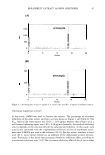
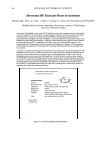
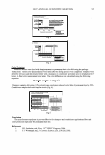
92 JOURNAL OF COSMETIC SCIENCE ULTIUVIOLET RADIATION (Ut/R)-INDUCED IMMUNE SUPPRESSION: AN INCENTIVE FOR SUN PROTECTION STRATEGIES BEVOND SPF Mary Matsui, Ph.D., and Daniel Maes, Ph.D. The Estee Lauder Companies, Inc Sun exposure is the major risk factor for cutaneous malignancy and photoaging. Protection against UVR by sunscreens is currently evaluated using a "sun protection factor", SPF, based on prevention of erythema. However, SPF is not fully reflective of UVR-induced damage and imperfectly predictive of long term consequences. One reason that this is true is due to UVR-induced suppression of the cutaneous immune system. Immune suppression is a complex phenomenon which results from both UV A and UVB parts of the spectrum, whereas erythema is more dependent on UVB wavelengths. SPF does not accurately correlate with immune protection. Therefore, there is considerable interest in developing new measurement protocols for sun protection that include immune suppression as a protection endpoint. A number of research groups are actively elucidating the mechanisms by which UVR induces immune suppression, constructing in vitro and in vivo model systems for evaluation of protection, and developing potential new strategies for product development. The response of human skin in vivo is a complex interplay of many events dependent upon time (duration of exposure, time after exposure, number of exposures), wavelength, energy flux, and the individual's genetic makeup and photo-type, and previous UVR history 1 • 2 • 3 . UVR-induced immune suppression is an extremely important component of skin cancer risk, as demonstrated both in humans and other animal models4•5. Sunscreens are advocated as a means of preventing skin cancer, but in the USA, the consumer can compare sun protection products only by the labeled "SPF" number. Unfortunately, the SPF has been shown to correlate only poorly and not predictably with immune protection, most likely because it is not sensitive enough to UVR-induced oxidative stress6•7•8•9• 10 . In addition, the SPF measurement can not accurately predict protection given by alternative non-sunscreen ingredients such as anti-oxidants and DNA repair enzymes. One paradigm for conceptualizing the relationship between UV wavelength and skin can be seen in figure 1. 11 Figure 1 • UVB, uvA --+ direct and oxidative DNA modification --+ neoplastic transformation • UVB, UVA---+ immuno-modulation ---+ induction of T regulatory cells, facilitation of tumour promotion, tumour progression In other words, shorter wave (280 to 320nm) UVB is the primary cause of direct mutagenic DNA lesions, with some contribution from longer wavelength (320 to 400nm) UV A It should be kept in mind though, an important paper was recently published that suggested that oxidative DNA damage may be more im�ortant than originally thought and may result in mutations in the stem cell population 1
Purchased for the exclusive use of nofirst nolast (unknown)
From: SCC Media Library & Resource Center (library.scconline.org)