JOURNAL OF COSMETIC SCIENCE 312 In the search for novel depigmenting agents, the use of natural herbal extracts as new skin-care active ingredients has been recently emphasized. As reported by scientifi c works (5–10), several plant extracts are able to protect skin against UV-induced dam- age and to inhibit melanogenesis in a safe way, without cytotoxicity or mutagenicity effects. Nowadays, polyphenols are considered the main group of natural compounds responsible of these effects (11). The mechanism of action of polyphenols in human skin is not yet clearly understood, but it is supposed that their action is strictly corre- lated to reduction of cutaneous oxidative stress (11). In fact, it is well known that in melanocytes melanin synthesis occurs in a cascade of enzymatic reactions that converts tyrosine to melanin pigment. The key enzyme and rate-limiting reaction of this cas- cade is the tyrosinase that catalyzes three steps of melanin biosynthesis: hydroxylation of tyrosine to 3,4-dihydroxyphenylalanine (DOPA), oxidation of DOPA to dopaqui- none, and oxidation of 5,6-dihydroxyindole to indolequinone (5). Reactive intermedi- ates produced are further oxidized to form melanin by a free radical-coupling pathway (4,9). Radical species, especially reactive oxygen ones, are considered to play an impor- tant role in regulating the melanogenesis and the proliferation of melanocytes (10). Antioxidants and inhibitors of radical production may affect melanogenesis events. Consequently, as reported by Panich et al. (3), the anti-tyrosinase effects of some plant extracts appeared to be correlated with their antioxidant potential. Finally, it was sug- gested that successful skin-whitening treatments could require the use of different anti-melanogenic ingredients to achieve a more intensive effect (12). Herbal extracts often induced more intensive effects, such as antioxidant and anti-melanogenic one, when used in combination (12–15). In this study, the anti-melanogenic effects of herbal extracts obtained from typical Medi- terranean species such as Capparis spinosa, Citrus sinensis, Oryza sativa, and Olea europaea have been studied. These plants have been chosen since characterized by an interesting antioxidant activity attributed to the high level of polyphenols (16–19). The anti- melanogenic effect of each extract and their combination was evaluated by in vitro models while in vivo experiments were performed to determine their skin-whitening action and skin tolerance (skin sensitivity to UVB irradiation). MATERIALS AND METHODS TEST MATERIALS Hydroquinone, kojic acid, and other cosmetic ingredients to produce topical formulation were supplied by A.C.E.F. s.p.a. (Fiorenzuola, Piacenza, Italy). Caper buds (Capparis spinosa), blood orange (Citrus sinensis), rice grains (Oryza sativa), and olive leaf (Olea europaea) solid extracts and their mixture were supplied by Bionap srl (Skin Moon Catania, Italy). Briefl y, plants (caper buds, rice grains, olive leaf) were chopped into small pieces and then extracted with ethanol/water solution (50:50) acidifi ed to pH = 3 for citric acid for 12 h. After- ward, extracts and squeezed orange juice were fi ltered using 0.2 μm paper fi lter to remove any impurities and then were applied to a polystyrene/divinylbenzene XAD-16 column (Rohm and Haas, Philadelphia, PA). The resins were eluted with an ethanol/water solu- tion (50:50), then ethanol was removed by evaporation and the aqueous residue was spray-dried. Herbal solid extracts showed to possess similar total phenol contents (% w/w)

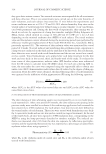
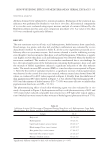
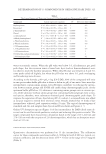
SKIN-WHITENING EFFECTS OF MEDITERRANEAN HERBAL EXTRACTS 313 by Folin–Ciocalteu method (20): 24% in Capparis spinosa, 25% in Citrus sinensis, 22% in Oryza sativa, 27% in Olea europaea extract, and 26% in their mixture. Mushroom tyrosinase, L -DOPA, and other reagents were purchase from Sigma-Aldrich (Milan, Italy). Topical application of active compounds was performed by oil-in-water emulsions, adding skin-whitening ingredients, as reported in Table I. The emulsions were prepared by slowly adding the aqueous phase to the oily phase and a blend of surfac- tants under continuous agitation both phases were kept at 70°C. This mixture was stirred until it was cool, thus forming emulsion formulations. IN VITRO EVALUATION OF ANTI-TYROSINASE ACTIVITY The in vitro tyrosinase inhibitory activity (IA) was determined by the dopachrome method. Herbal extracts and their combination were added at a concentration of 50 μg/ml to L-DOPA solution (10 mM, dissolved in a 5 mM acetate buffer, pH 5). Subsequently, ty- rosinase enzyme was added to each solution to a fi nal concentration of 4 U/ml. The amount of dopachrome in the reaction mixture was measured after incubation at 38°C for 60 min at 475 nm by UV-Vis spectrophotometer (UV-1700 PharmaSpec SHIMADZU Milan, Italy). Kojic acid and hydroquinone, at the concentration of 50 μg/ml, were used as reference and a blank reaction was conducted without a sample. All measurements were performed in triplicate. The activity of each sample was expressed as the IA using equation 1: u100 blank sample blank OD OD IA (%) OD (1) where ODblank and ODsample are the optical density values of the blank and the solutions containing active ingredients, respectively. IN VIVO EVALUATION OF SKIN-WHITENING ACTIVITY In vivo experiments were performed on 15 healthy volunteers (females/males 10:4) of skin types II and III, aged 30–45 years. Volunteers were recruited after medical screening in- cluding the fi lling of a health questionnaire followed by physical examination of the ap- plication sites. Subjects exhibiting such features as sun-burn, suntan, burn marks, or any other active lesions, which might interfere with evaluation, were excluded from the study. After they were fully informed of the nature of the study, substances, and procedures involved, Table I Composition of Oil-in-Water Emulsions Used as Topical Skin-Whitening Formulations Oil-in-water emulsion Oil phase (PPG-15 stearyl ether-8 g, isohexadecane\PPG-15 stearyl ether-4 g) Aqueous phase (Distilled water-73.7 g) Surfactants and structurizing agents (Steareth 2–3.5 g, steareth 2.1–2.5 g, stearic acid-2.5 g, cetylstearylic acid-2.1 g, xanthan gum-0.3 g, ethylene glycolphenyl undecylether p-hydroxybenzoate-0.4 g) Formulation A Hydroquinone-3 g Formulation B Kojic acid-3 g Formulation C Mixture of herbal extracts-3 g
Purchased for the exclusive use of nofirst nolast (unknown)
From: SCC Media Library & Resource Center (library.scconline.org)