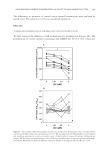
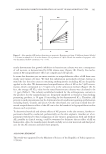
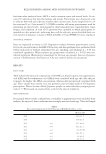
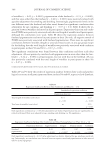
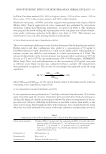
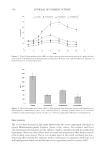
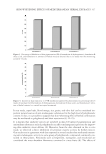
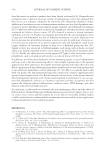
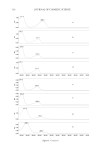
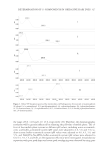
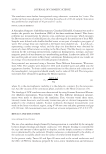
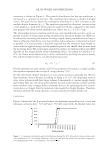
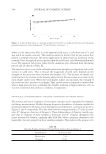
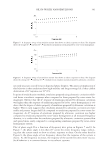
JOURNAL OF COSMETIC SCIENCE 316 DISCUSSION The in vitro data obtained in this study showed that the active compounds contained in typical Mediterranean plants (Capparis spinosa, Citrus sinensis, Olea europaea, and Oryza sativa) possessed anti-tyrosinase activity and they could be considered natural skin-whitening ingredients. Moreover, their effects were increased and potentiated when herbal extracts of each plant were mixed. The in vivo models used in this work validated the skin- whitening effect and the skin tolerance of this combination in comparison with kojic acid and hydroquinone which are well-known active ingredients used in cosmetic fi eld. Figure 1. Trend of skin melanin index (ΔMI) vs. time (days) over the monitoring period of 4 weeks for skin sites treated with formulation A (hydroquinone), formulation B (kojic acid), and formulation C (mixture of herbal extracts) or no treated (Control). Figure 2. Mean area under curve values (AUC ± DS) obtained from skin sites treated with formulation A (hydroquinone), formulation B (kojic acid), and formulation C (mixture of herbal extracts) or no treated (control) over the monitoring period of 4 weeks *p 0.05 (no signifi cantly different) vs. formulation A.

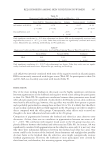
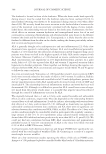
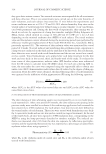
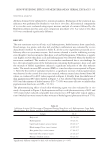
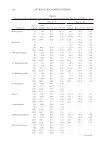
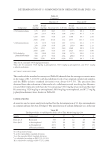
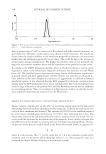
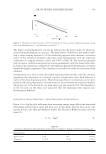
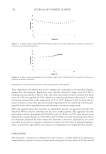
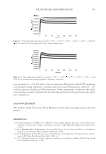
SKIN-WHITENING EFFECTS OF MEDITERRANEAN HERBAL EXTRACTS 317 Figure 3. Percentage of Inhibition of skin pigmentation (PI) of formulation A (hydroquinone), formulation B (kojic acid), and formulation C (mixture of herbal extracts) obtained by in vivo study over the monitoring period of 4 weeks. Figure 4. Increase in skin sensitivity to UVB irradiation expressed by photosensitivity percentage after 6 weeks of treatment with formulation A (hydroquinone), formulation B (kojic acid), and formulation C (mix- ture of herbal extracts) vs. control (no topical treatment). In our study, caper buds, blood orange, rice grains, and olive leaf can be considered im- portant natural sources of anti-melanogenic substances for the high level of polyphenolic content. In fact, it is possible to suppose that skin-whitening effect of herbal combination may be attributed to polyphenols and their association (8, 22–25). It is known that oxidative species are involved in skin UV-induced pigmentation and antioxidant substances such as polyphenols can affect melanogenesis processes by improv- ing skin oxidative stress defense (8). Moreover, from the data obtained in the in vitro study, we observed a direct inhibition of tyrosinase enzyme activity by herbal extracts. Our results are in agreement with data reported in several studies that attributed interest- ing anti-melanogenic activity to some group of polyphenolic compounds commonly con- tained in these plants. Flavonoids such as hesperidin, naringenin, and eriodictyol are considered the most abundant fl avanones contained in citrus fruits (8). The effects of
Purchased for the exclusive use of nofirst nolast (unknown)
From: SCC Media Library & Resource Center (library.scconline.org)