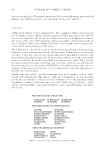
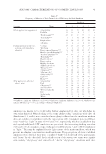
JOURNAL OF COSMETIC SCIENCE 104 Aft er a non-probability convenient sampling technique, approximately 600 women at- tending outpatient clinics of the three general hospitals were recruited by the authors proportionally to beds (250 from King Fahad hospital, 200 from Ohud hospital, and 150 from Al-Ansar hospital). DATA COLLECTION Self-administered valid Arabic questionnaire has been used to collect data from the partici- pants as previously reported (16). Used questionnaire included 27 questions personal infor- mation (age, marital status, educational level, occupation, and monthly average household income), detailed information regarding the use of TPAs, such as the age at which the par- ticipants started using them, the duration and frequency of usage, source of obtaining these agents, reason(s) for usage during pregnancy and lactation, money spent monthly on TPAs, parts of bodies they applied these products to, and the amounts (grams) applied. To help the participants to identify the amount used per month, four empty jars/tubes of different ca- pacities were shown to them. The women were also asked about the safety of the bleaching agents, whether or not they believed that bleaching creams obtained at herbal stores were safe, whether they thought bleaching creams might harm their skin or general health, and whether they were willing to use bleaching creams even if the components of the cream were unknown. From the given components such as corticosteroids, hydroquinone, and mercury, they were asked to choose the most dangerous component to human health. The study passed by many phases. The authors visited King Fahad, Ohud, and Al-Ansar hospitals’ outpatient clinics where women of different age groups, marital status, level of education, and economic status. The authors gave a self-administered questionnaire to women attending different hospital clinics in Al-Madinah city during the waiting time (before meeting relevant physicians in outpatient clinics). The authors explained to them that the research interest beyond the questionnaire focuses on TPAs, not regular cosmetics. The authors collected the ques- tionnaire after being fi lled in. ETHICAL CONSIDERATION The following approvals were obtained before and during study conduction: -App roval from the local training committee. -Appr oval from local ethical committee. -Perm ission from the health authorities responsible for King Fahad hospital. -Perm ission from the health authorities responsible for Ohud hospital. -Perm ission from the health authorities responsible for Al-Ansar hospital. -Part icipants’ permission. In addition, confi dentiality of data was assured. A pilot study was done on 50 women to test the wording and clarity of the questions as well as the average time required to complete the questionnaire. As a feedback, the ques- tionnaire was clear and an average of 9 minutes was required to complete it. The collected data within the pilot study were not included into the main study. The authors fulfi lled all the required offi cial approvals. All participants were reassured by the authors about the objectives of this study. They were assured that participation in this study is optional.

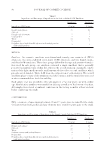
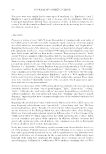
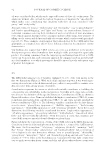
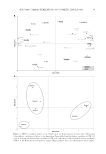
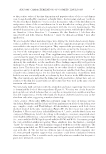
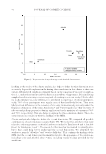
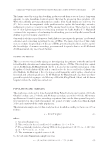
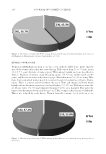
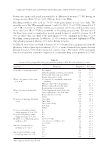
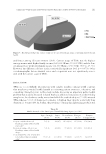
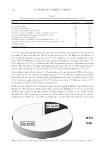
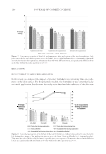
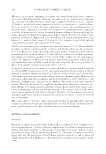
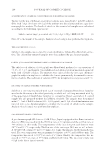
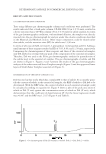
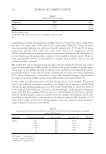
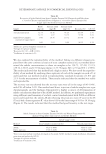
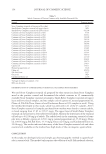
HEALTH KNOWLEDGE AND ATTITUDE REGARDING BLEACHING AGENTS IN WEST SAUDI ARABIA 105 STATISTICAL ANALYSES Statistical Package for Social Sciences (SPSS) software version 22.0 was used for data entry and analysis. Descriptive statistics (number and percentage) and analytic statistics using chi-squared tests (χ2) to test for the association and/or the difference between the two categorical variables were applied. P value 0.05 was considered statistically signifi cant. RESULTS The present study included 531 women out of targeted 571 (with a response rate of 89.8%). Their ages ranged between 16 and 60 years (39.9 ± 9.0 years) (Table I). More than half of them (54.3%) aged between 26 and 40 years. Slightly more than half of them (50.3%) were married whereas 39.6% were single. Higher educated women (university and above) represent 59.4% of the participants whereas illiterates represent only 4.9% of them. Slightly more than one-third of them (34.8%) were employed and 31.7% were house wives. Monthly average household income ranged between 2,000 and 5,000 Saudi Riyals (SR) (500 USD and 1,250 USD) among 28.8% of the participants whereas it ex- ceeded 20,000 SR (5,000 USD) among 6% of them. PREVALENCE OF USING TPAs As demonstrated in Figure 1, 43.3% of the participants (230 out of 531) were current users of TPAs. Out of noncurrent users, 52.8% (159 out of 301) had previously used TPAs as shown in Figure 2. Overall, 389 women out of 531 (73.3%) regularly used TPAs. Table I Sociodemographic Characteristics of the Participants (n = 531) Variables Categories Frequency Percentage Age (years) 16–25 176 33.1 26–40 288 54.3 40 67 12.6 Marital status Single 210 39.6 Married 267 50.3 Divorced/separated 39 7.3 Widowed 15 2.8 Educational level (n = 515) Illiterate 25 4.9 High school or lower 184 35.7 University or higher 306 59.4 Occupation House wife 168 31.7 Student 65 12.2 Employed 185 34.8 Unemployed 113 21.3 Monthly average household income in SR and USD 2,000 SR ( 500 USD) 88 16.6 2,000–5,000 SR (500–1,250 USD) 153 28.8 5,001-10,000 SR (1,250–2,500 USD) 151 28.4 10,001–20,000 SR (2,500–5,000 USD) 107 20.2 20,000 SR ( 5,000 USD) 32 6.0
Purchased for the exclusive use of nofirst nolast (unknown)
From: SCC Media Library & Resource Center (library.scconline.org)