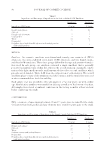
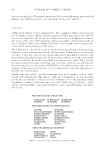
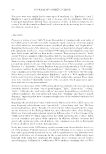
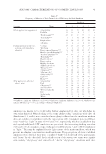
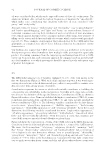
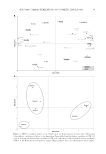
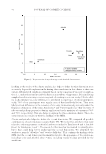
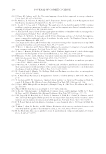
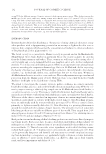
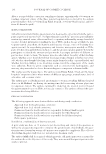
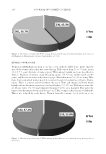
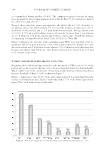
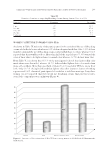
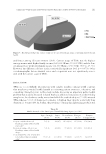
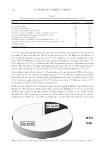
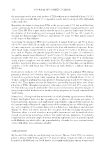
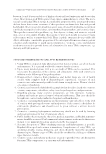
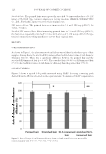
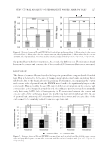
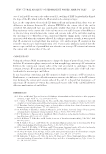
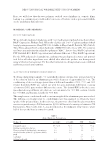
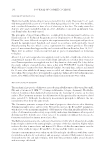
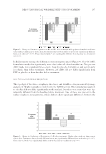
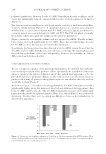
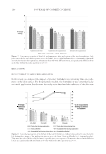
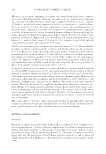
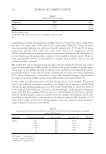
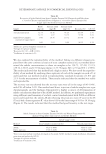
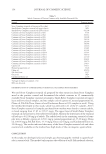
JOURNAL OF COSMETIC SCIENCE 106 Figure 1. P revalence of using skin TPAs among women attending government hospitals and clinics at Al-Madinah Al-Munawwarah city, west Saudi Arabia (n = 531). Figure 2. Hi story of previous use of TPAs among women who are not currently using these products (n = 301). DETAILS OF PRACTICE Women in Al-Madinah are keen to use face cover outdoors. Table I also shows that the ages of the women when they fi rst started using TPAs varied from 16 to 55 years (mean 24.4 ± 7.9 years). Details of using topical TPAs among regular users are described in Table I. Majority of women using bleaching agents (54.3%) are middle-aged (26–40 years), and the use decreases with advancing age. Married women (50.3%) are using TPAs more than nonmarried women possibly to express beauty to husband according to Islamic values. There is a direct relation between the use of TPAs and educational level, where highly educated women (university level and higher) (59.4%) use TPAs more than oth- ers. House wives (31.7%) and employed women (34.8%) are a majority. That gives the impression that married women are keen to use TPAs to express their beauty to husbands. This is not reduced by work duties. Women from all economic levels are keen to use

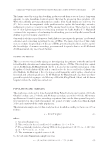
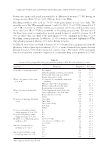
HEALTH KNOWLEDGE AND ATTITUDE REGARDING BLEACHING AGENTS IN WEST SAUDI ARABIA 107 beauty care agents and spend generously for it. Majority of women (77.4%) having an average income (from 500 to 5,000 USD) are keen to use TPAs. Bleaching products were used by 74.1% of the participants at least once daily. The monthly cost of the TPAs ranged between 5 and 2,500 SR (1.25–625 USD) (mean 136.4 ± 217.3 SR = 34.1 ± 54.1 USD). Thirty-seven women (13%) reported that they spent more than 200 SR (50 USD) per month on bleaching preparations. The amount of the bleaching creams consumed per month ranged between 1 and 800 g (mean 61.6 ± 98.5 g). More than one-third of the participants (35.3%) consumed more than 50 g of bleaching cream per month. In addition, 11.6% of women continued applying the TPAs throughout pregnancy whereas 20% did so during lactation. In Table II, more than one-third of women (39.6%) obtained these preparations from the pharmacy without prescription whereas 33.9% of them obtained these agents through prescription and 20.8% from beauty and cosmetic shops. The nature of the used agent was most frequently a mixture composed of a readymade drug at the pharmacy (37.8%) Table II Details of Using Topical Bleaching Agents Among Women Who Ever Used Them (n = 389) Questions Responses Frequency Percentage How did you obtain the cream?a Prescription 132 33.9 From the pharmacy without prescription 154 39.6 From herbal shops and open markets 62 15.9 Beauty and cosmetic shops 81 20.8 What is the nature of the cream you used?a Is composed of a readymade drug at the pharmacy 178 45.8 Mixture composed at the pharmacy 66 17.0 Mixture composed at herbal shops 44 11.3 Beauty product, non-medical 120 30.8 What is the reason behind the use? To heal pigmented areas like freckles 147 37.8 Just to lighten the color of the skin 80 20.6 Both of the above reasons 148 38.0 Others 14 3.6 Frequency of applying bleaching cream Once daily 160 41.1 Twice daily 108 27.9 Thrice times daily 20 5.1 Not daily 74 19.0 Others 27 6.9 Do you use bleaching creams during pregnancy? (n = 241) Yes 28 11.6 No 213 88.4 Do you use bleaching creams during lactation? (n = 235) Yes 47 20.0 No 188 80.0 Monthly cost of bleaching agents in SR (n = 285) 100 (25 USD) 185 64.9 100–200 (25–50 USD) 200 63 22.1 ( 50 USD) 37 13.0 Amount of cream you use monthly (g) (n = 119) 10 33 27.7 11–50 44 37.0 50 22 35.3 Age (years) at starting using bleaching cream (n = 354) 15 37 10.5 16–25 179 50.5 25 138 39.0 a More than one answer was allowed.
Purchased for the exclusive use of nofirst nolast (unknown)
From: SCC Media Library & Resource Center (library.scconline.org)