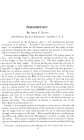
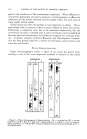
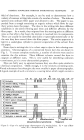
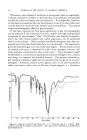
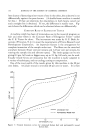
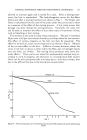
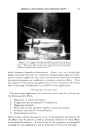
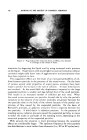
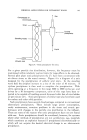
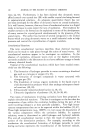
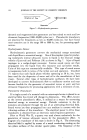
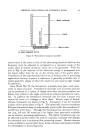
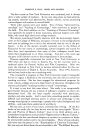
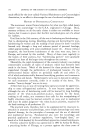
136 JOURNAL OF THE SOCIETY OF COSMETIC CHEMISTS TGA ^•D DTA METHODS Two instrumental methods that will probably see increased use in the cosmetic industry are those of thermogravimetric analysis (TGA) and differential thermal analysis (DTA). In the first method, the weight of a sample is continuously recorded as the temperature is increased. In the second, the temperature of a sample in a heating block is continuously re- corded as the block temperature is gradually increased. The temperature is not identical with that of the block, as endothermic or exothermic reac- tions often occur at increased temperatures resulting in appreciable nega- tive or positive temperature differentials. Figure 9 shows how the TGA of sodium perborate tetrahydrate can be used to obtain information about the ease of loss of water of hydradon and of its decomposition. Other cosmetic chemicals where similar heat sta- bility problems are involved should prove amenable to this kind of treat- ment. The DTA method is not concerned directly with weight changes but only in physical and chemical changes that involve heat loss or gain. There- fore, phase changes are observed as easily as decarboxylations. A com- parison of TGA and DTA curves is a powerful method, since physical changes can then be distinguished from chemical changes such as are in- volved in oxidations and decompositions. O- '-•-- minus 0 ":, 50- /-- minus H20 • minus H202 m 100- o _• . ,,, 150- -- mi• minus (4H20 ,0) 200 - 100 200 300 400 500 600 700 800 900 SAMPLE TEMPERATURE (*C) Figure 9.--Thermogravimetric analysis of sodium perborate tetrahydrate. Sample weight, 316.6 rag.

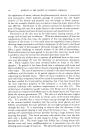
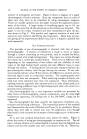
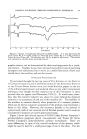
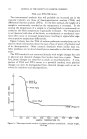
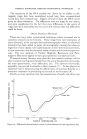
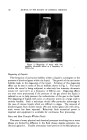
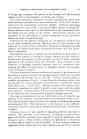
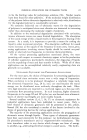
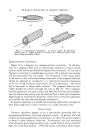
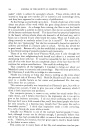
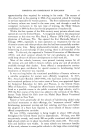
COSMETIC KNOWLEDGE THROUGH INSTRUMENTAL TECHNIQUES 137 The sensitivity of the DTA method was shown by its ability to dis- tinguish virgin hair from neutralized waved hair, from no-neutralized waved hair, from reduced hair. Figures 10 and 11 show the DTA curves given by these substances. The differences were not huge, by any means, and were complicated by the fact that even differences in the source of virgin hair were detectable, but the curves did indicate that real differences could be found. OTHER POSSIBLE METHODS There are many other instrumental techniques where increased use in cosmetics research can be foreseen. These range from mere extensions of those discussed, as for example electrochromatography where an electrical dimension has been added to paper chromatography causing the sideways migration of ionic species to be superimposed on their downward movement, to new excursions into the electronic realm of radio and microwave spectros- copy. The new methods of Nuclear Magnetic Resonance and Para- magnetic Resonance appear to have great potential as analytical tools. If research money becomes more plentiful, the cosmetic industry will be able to acquire much greater benefit from the use of the electron microscope, the mass spectrometer, x-ray diffraction, etc. The electron microscope, especially, has proved invaluable in fiber research (7). It also played an important role in demonstrating the effectiveness of stannous fluoride as a protective treatment in preventing acid attack on tooth enamel (8). Finally, we may speculate that the measurement of smells and odors may I I I I I I I I I lOO 200 300 400 SAMPLE TEMPERATURE (øC) Figure 10.--Differential thermal analysis cur:yes of reduced human hair and virgin human hair.
Purchased for the exclusive use of nofirst nolast (unknown)
From: SCC Media Library & Resource Center (library.scconline.org)