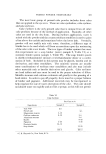
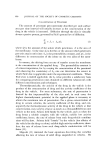
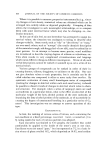
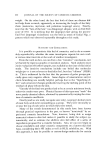
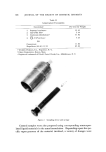
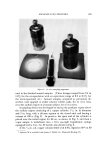
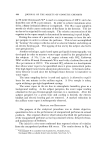
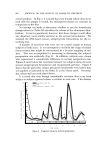
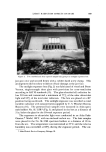
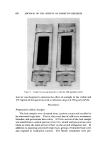
670 JOURNAL OF THE SOCIETY OF COSMETIC CHEMISTS Figure 3. Samplc hair group mounted in Atlas SL-LSR specimen holdcr bon arc was designed to simulate the effect of sunlight in the visible and UV regions of the spectrum with a radiation output of 155 g-cal/cm2/hr. Procedures Preparation of Hair samples The hair samples were obtained from a private source and certified to be untreated virgin hair. That is, they were free of cold wave treatments, bleaches, and permanent hair colors. A 2.5-in. section of the hair sample was tested from a central portion of an 8-in. strand and precautions were taken to retest the same section of hair on the second elongation test. In addition to exposing untreated virgin hair, groups of bleached hair were also exposed to irradiation sources. The bleach treatments were per-

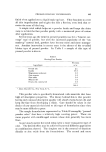
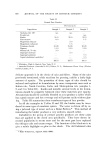
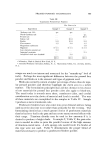
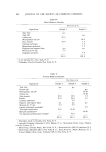
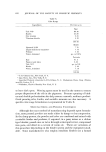
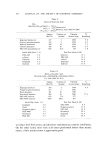
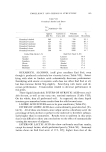
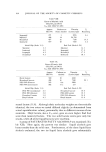
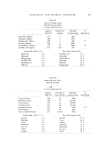
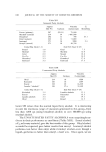
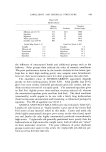
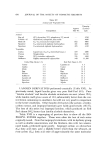
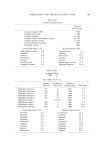
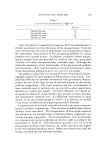
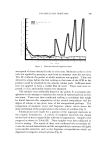
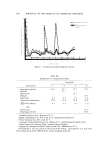
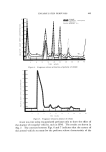
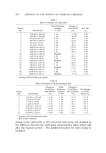
LIGHT RADIATION EFFECTS ON HAIR 671 formed in open Petri dishes at 25øC for 30 min with a commercial hair bleach formula based upon 20 vol % hydrogen peroxide. Strands of hair (8 in. each) were selected at random and were tagged individually before being placed in sample groups containing 25 speci- mens. The sample groups were immersed in deionized water overnight at 25 ø prior to the first Instron test to record the yield point at 15% elongation. Sunlight Exposure Tests After the initial elongation test, the sample groups were mounted in Atlas specimen holders No. SL-LSR and placed in the exposure box. An unexposed control sample group, covered with aluminum foil, was also placed in the box to monitor the effects of temperature and humidity during the 10-week test period. The exposure was recorded as total radia- tion (in langleys*) incident in the region. At the end of the exposure period, the sample groups were placed in water overnight and a second elongation test was made to record the yield point at 15% strain. Ultraviolet Exposure Test .After the initial elongation test the sample groups were mounted in the Atlas specimen holders and placed in the Fade-Ometer. A 5-in. section of the hair was exposed to the carbon arc at a distance of 10 in. from the enclosed source. When the exposure period was over, the sample groups were removed from the holders and retested as in the sun- light tests. The UV radiation level during the test period was 155 langleys/hr as determined from instrument specifications and perform- ance data snpplied by the manufacturer. RESULTS AND DISCUSSION The sunlight studies were continued throughout the year to deter- mine seasonal variations in the level of effects on hair. These results are summarized in Tables I and II. The total radiation levels were ob- tained from the Climatological Data reports of the U. S. Weather Bureau, and consist of "sun plus sky" measurements which correct for the absorp- tion interference of water vapor and other atmospheric contaminants. These measurements are reported in langley units or gram calories per square centimeter. Due to the time lag of the Climatological Reports, sometimes as much as five months, current radiation levels were also ob- tained from the Argonne National Laboratory. The average per cent langley = 1 g-cal/c•n 2.
Purchased for the exclusive use of nofirst nolast (unknown)
From: SCC Media Library & Resource Center (library.scconline.org)