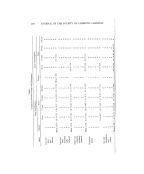
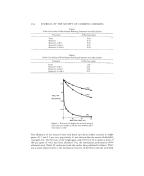
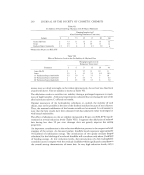
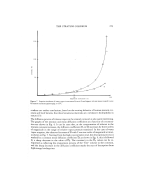
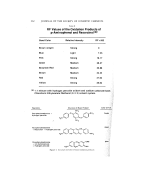
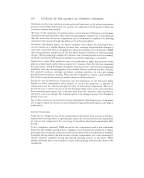
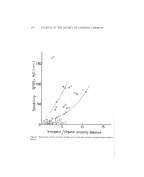
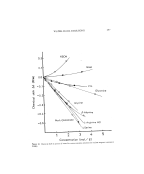
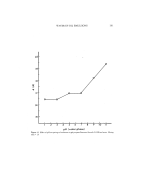
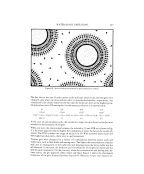
THE STRATUM CORNEUM 255 15 10 o [] 20 40 60 80 Uptake (%) Figure 9. P, and Dofwater vaporin untreated guinea pig corneumat 32øC

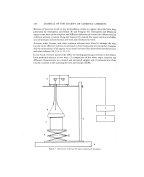
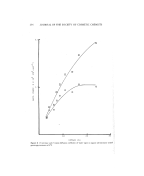
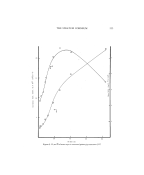
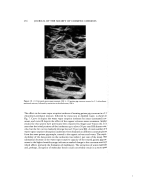
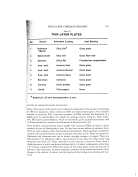
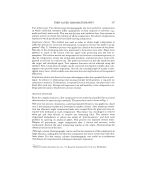
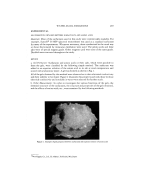
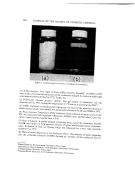
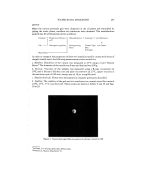
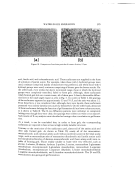
256 JOURNAL OF THE SOCIETY OF COSMETIC CHEMISTS _ Figure 10. (1) Untreated guinea pig comeurn, 200 x, (2) guinea pig comeurn treated in 2:1 chloroform- methanol mixture, followed by extraction in distilled water, 200 x The effect on the water vapor sorption isotherm of treating guinea pig corneum in a 2:1 •'•' chloroform-methanol mixture, followed by extraction in distilled water, is shown in Fig. 7. Curve A depicts the water vapor sorption isotherm for intact (untreated) cor-' neum, and curve B depicts the effect of the organic solvents-water treatment. Similar results for this system have previously been reported by Singer and Vinson (4). It is • seen that the initial portions of the isotherms up to about 50 per cent RH almost coin- cide, but the two curves markedly diverge beyond 70 per cent RH. A total number of 4 water vapor sorption-desorption isotherms were obtained on different comeurn pieces from the same guinea pig sample, treated in the organic solvents and water. The repro- • ducibility of the data points on the isotherms was within 1 per cent of the mean. The substantial decrease in the water vapor sorptive capacity of the treated guinea pig cor-- neum in the higher humidity range indicates a marked change in the corneum structure which affects primarily the formation of multilayers. The extraction of some materials and, perhaps, disruption of molecular bonds could conceivably result in a more open
Purchased for the exclusive use of nofirst nolast (unknown)
From: SCC Media Library & Resource Center (library.scconline.org)