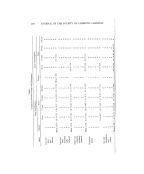
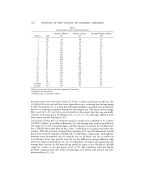
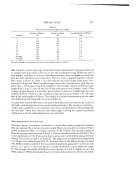
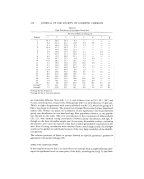
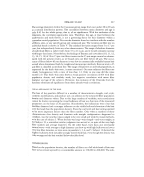
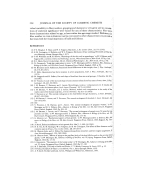
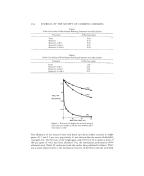
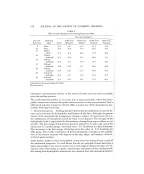
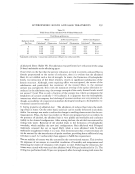
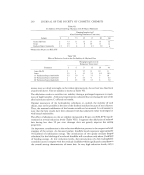
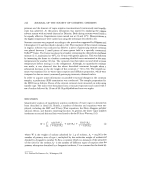
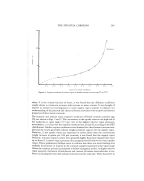
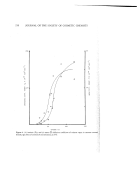
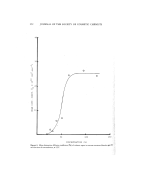
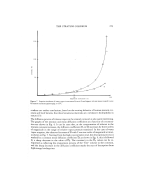
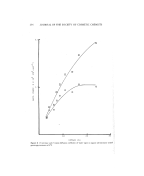
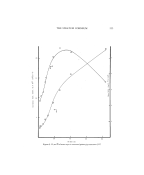
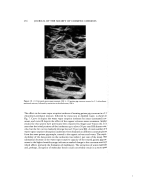
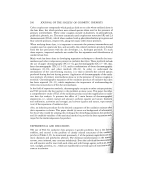
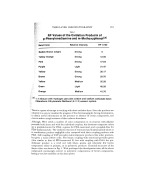
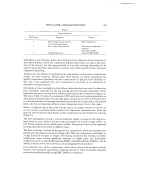
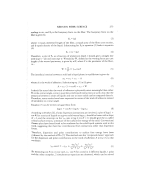
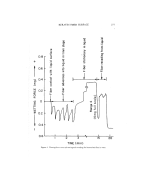
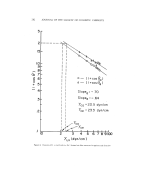
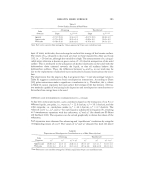
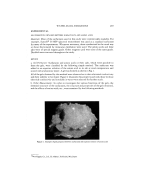
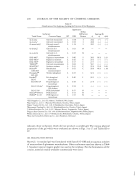
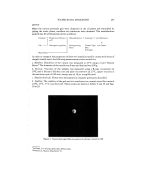
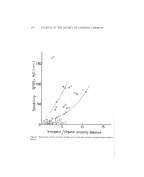
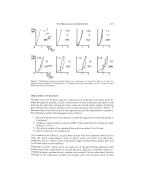
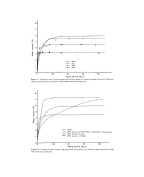
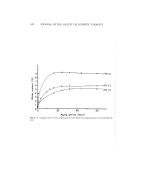
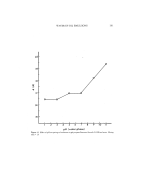
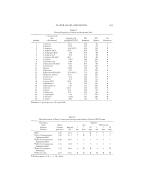
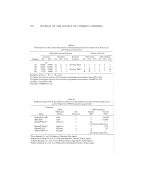
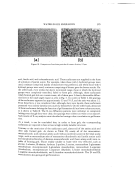
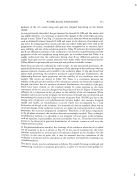
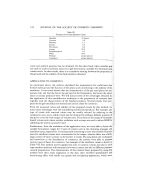
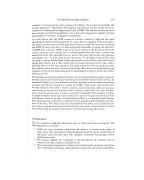
KERATIN FIBER SURFACE Table I Contact Angles (Calculated) of Water Against Hair Measured Along the Length of the Fiber Fiber section 0,,(degrees) 0,,(degrees) A 72 64 B 73 68 C 67 68 D 99 81 E 101 76 F 103 89 279 drophilic than the root end. This may be due to degradation of the protein by the ul- traviolet rays of the sun or by environmental factors that generate hydrophilic groups at the surface, or it may be due to loss of cuticle by mechanical damage. To establish the difference in the wetting behavior of the cortex and the cuticle, wet- tability of the tip (natural tips were chosen by viewing in the microscope) and the root ends of hair fibers were measured. Damaged tips with the cortex exposed yielded posi- tive wetting forces, while the root ends, with cuticle intact, gave negative wetting forces. Scanning electron micrographs of one of these fibers are shown in Fig. 2 along with the measured advancing wetting forces. EFFECT OF CHEMICAL OXIDATION AND REDUCTION Oxidation of hair samples was carried out with a 3 per cent solution of hydrogen peroxide adjusted to a pH of-10 with 0.1 N ammonium hydroxide. Single fibers mounted on hooks were immersed in this solution for 2 rain at a time followed by exhaustive rinsing with distilled water. Fibers were conditioned at 65 per cent RH and ?0øF prior to measurement. Successive treatments of 2-rain duration were carried out on the same fibers. Reduction was carried out in the same way using a 2.5 x 10 --• M so- lution of dithiothreitol, but the fibers were rinsed with deoxygenated distilled water. The increase in wetting expressed as work of adhesion (see equation (7)) caused by both oxidation and reduction are shown in Fig. 3 as a function of treatment time. As ex- pected, both oxidation and reduction increase the wettability of the surface. These increases are attributed to the generation of sulfonic acid groups in the case of oxida- tion and of thiol groups in the case of reduction, both of which are hydrophilic. The data presented here are inadequate for a comparison of the hydrophilic nature of the scission products and for the determination of the extent of disulfide cleavage in these 2 reactions. Wettability or work of adhesion are only indirect means of assessing the quantitative effects of these reactions. Oxidation of cystine by hydrogen peroxide is complicated by the reversible nature of several intermediate steps eventually leading to the formation ofcysteic acid [11]. It is possible that under these conditions of oxidation cleavage of peptide linkages may also occur to some extent, which may account for the discontinuous nature of the "oxidation" curve in Fig. 3 after a 6-rain oxidation time. Reaction of hydrogen peroxide with peptide bonds is known to occur in wool and silk at 60øC [12], and, though the reaction may not be extensive at room temperature, it may not be ruled out. It should be noted that wettability or work of adhesion is a measure of reactions occurring at the fiber surface only.

(A) (B) (C) Figure 2. SEMs of tip and root ends of an untreated human hair fiber: (A) tip end, 640 X, Fw = 0.041 mg (]3) -0.5 mm from tip, 640 X (C) toward the root end, 640 X, Fw = 0.330 mg
Purchased for the exclusive use of nofirst nolast (unknown)
From: SCC Media Library & Resource Center (library.scconline.org)