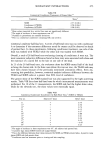
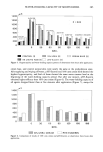
244 JOURNAL OF THE SOCIETY OF COSMETIC CHEMISTS it was in the control, demonstrating the penetration of kukui oil through the skin. In addition, it may be seen that the fifth stripping on the patch of skin to which kukui oil had been applied had a fatty acid profile roughly characteristic of kukui oil with high levels of linoleate (C 18:2n-6) and linolenate (C 18:3n-3). Data averaged from all three volunteers suggested that total fatty acid levels were 234 --- 67 pug/strip at the fifth stripping for control (no oil applied), 824 --- 616 pug/strip at the fifth stripping for kukui oil, and 834 --- 311 }zg/strip at the fifth stripping for coconut oil. Much the same effects were seen when oil was applied at half dose (data not shown). Oils penetrated the stratum corneum but were deposited at lower levels than when applied at the full doses described above. Averaged values for fifth strippings for two subjects were 430 pug/strip and 480 pug/strip for kukui and coconut oils, respectively. While coconut oil penetrated the skin, the nature of the oils left in the skin was very different than when using kukui oil. Figure 3 shows that coconut oil left lipids com- posed largely of saturated fatty acids while kukui oil left lipids composed of a mixture of saturated, monounsaturated, and polyunsaturated fatty acids. Lotion left a disproportionate percentage of oil in the skin. Lotion contained only 13% oil, which is much less than the neat oils. However, as indicated in METHODS, lotion was applied at higher rates (50 mg = 50 pub as compared with 20 pul of full doses of the neat oils. Hence, oil application rates of the lotion compared with full doses of the neat oils were 50/20 x 0.13 = 32.5%. About 65% as much oil was applied with the 40 50 20 10 o o,4 -• CQ o-) CQ • • Z Z Z 0 0 Figure 3. Fatty acid profiles of skin strippings treated with coconut oil (cross-hatched) or kukui nut oil (open bars with line).

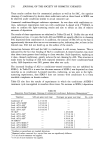
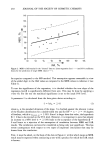
EMOLLIENT ACTION OF KUKUI NUT OIL 245 lotion as compared with half doses of the neat oils. In spite of the lower oil application rate with the lotion, by the fifth stripping among the three subjects, 735 --- 161 •g/strip of oil was left after kukui lotion application. This was not significantly less than with full-dose neat oil application but was significantly more than the half dose of neat oil. This point may be seen in another way in Figure 4. Compared with the oils, a larger percentage of the applied oil remained in the stratum corneum from the second through the fifth stripping with the lotion. Oil appeared to spread more evenly through the layers of skin with kukui lotion. Table II is a side bar showing fatty acids extracted from untreated skin of the three volunteers. It may be seen that there was variation in fatty acid profiles. The variations were consistent with the accepted notion that with fatty acids, one is what one eats. The strippings were consistent with self-reported dietary habits of the three individuals. In the mixed cultural milieu that is Hawaii, subject A reported eating a typical American diet except that fish was eaten twice a week on recommendation of the American Heart Association. The profile therefore contained traces of EPA (C20:5n-3) and DHA (C22: 6n-3), which are marine fatty acids, in a background containing high levels of oleate (C18:1n-9), linoleate (C18:2n-6), and linolenate (C18:3n-3), which may have come from plant oils in the subject's foods. Subject B reported having fish on the table every evening. Her profile contained substantial levels of marine fatty acids. Subject C's skin fatty acid profile contained high levels of saturated fatty acids. Subject C reported eating large amounts of beef and pork at a University of Hawaii dormitory. 20 15 10 2 3 4 5 6 stripping number Figure 4. Penetration of oils into the stratum corneum for kukui lotion (closed squares), coconut oil (open squares), and kukui oil (open triangles).
Purchased for the exclusive use of nofirst nolast (unknown)
From: SCC Media Library & Resource Center (library.scconline.org)