100 JOURNAL OF COSMETIC SCIENCE amino acids (MW by SDS-PAGEl000D), which has high cystine content present in the S-sulphonated form. This unique functionality maintains the antioxidant activity of the amino acid cysteine. As a hydrolysate, keratin peptide can penetrate into the skin and increase moisturization, protecting the hands. The aim of this work was to study the efficacy of this new keratin active in a hand cream formulation. The effect of this keratin active when applied topically on a long-term basis to undisturbed hand skin on properties such as water-holding capacity and elasticity was determined. Finally, protection of healthy skin against detergent-induced dermatitis was evaluated after topical application of the keratin active formulation. MATERIALS AND METHODS CHEMICALS Chemicals employed were keratin peptide (Keratec Limited, New Zealand) sodium lauryl sulphate, SLS (Merck, Darmstadt, Germany) and Cromadol GTCC, Polawax NF, stearic acid, Crodacol C90 EP, Propylparaben, Ultrez 21, acylate crosspolymer, and methylparaben (Croda, UK). SAMPLE PREPARATION Two hand creams were used both were made from the formulation given below. The keratin cream was prepared by adding 3% keratin peptide (as supplied, i.e., 0.3% active) and the base cream by addition of 3% deionized water. Base hand cream formulation. The formulation comprised Crodamol GTCC (10.0% w/w), Polawax NF (5 .0% w/w), stearic acid (3.0% w/w), Crodacol C90 EP (2.0% w/w), Propylparaben (0.25% w/w), Ultrez 21 (8.0% w/w), acrylate crosspolymer 2%, Meth ylparaben (0.20% w/w), and deionized water (to 100.0% w/w). SUBJECTS Sixteen healthy volunteers (all females) phototype III-IV-V with a mean age of 33 ± 8 years (range 24-50 years) participated in both studies (Table I). All subjects were advised to avoid topical drugs or moisturizers on the tested zones for a week prior to the experiments. To obtain reliable measurements, the volunteers were acclimatized for 15 min in a conditioned room (20°C, 60% RH) before the experiments. Subjects were classified into group 1 (dry skin, mean initial capacitance 45) and group 2 (hydrated skin, mean initial capacitance 45) based on initial skin capacitance measurements, following the advice given by the instrument company (Courage & Khazaka). BIOPHYSICAL MEASUREMENTS Skin hydration was determined using a Corneometer CM 85 (Courage & Khazaka), which measures skin capacitance in arbitrary units (au). Transepidermal water loss (TEWL), which indicates the barrier function of skin, was measured using a Tewameter TM 210 (Courage and Khazaka). Elasticity was determined by a Cutometer SEM 575

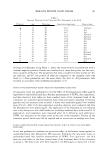
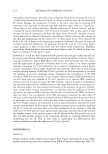
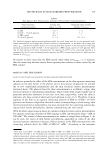
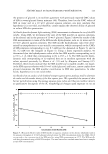
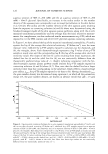
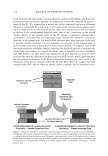
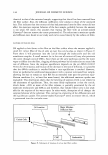
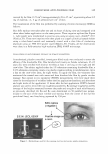
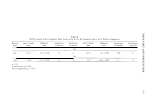
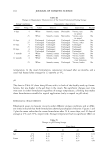
KERATIN PEPTIDE HAND CREAM 101 Table I Skin and Phototype of the Volunteers Who Participated in the Study Volunteer Age Phototype Initial skin capacitance Kind of skin 24 IV 49.22 Hydrated 2 28 IV 32.33 Dry 3 45 III 34.57 Dry 4 30 III 47.22 Hydrated 5 29 V 59.55 Hydrated 6 26 III 51.00 Hydrated 7 38 IV 30.89 Dry 8 29 III 24.78 Dry 9 35 III 32.89 Dry 10 32 III 30.33 Dry 11 50 IV 29.56 Dry 12 28 IV 49.22 Hydrated 13 32 III 46.22 Hydrated 14 28 III 42.56 Dry 15 50 III 48.78 Hydrated 16 38 IV 42.22 Dry (Courage and Khazaka) using Mode 1, where the measurements are performed with a constant negative pressure. Results are visualized in a curve that points out the visco elastic qualities of the skin. The parameters that were considered in these studies are: RS, net elasticity, and R 7, the portion of elasticity compared to the complete curve (the closer to 1 these parameters are, the more elastic the skin is). All parameters were recorded in accordance with established guidelines (1-4). EFFECT OF KERATIN PEPTIDE HAND CREAM ON UNDISTURBED HAND SKIN A long-term study was performed to test the effect of the formulations when applied repeatedly to undisturbed hand skin. Baseline measurements ofTEWL, skin capacitance, and skin elasticity were taken on three marked zones of the dominant hand of the volunteers: two zones for topical treatment (base cream and cream containing 3% keratin peptide) and one untreated zone (control). Creams were randomly applied onto marked areas of 9 cm2. After 24 h, skin capacitance and skin elasticity were evaluated, and then the formulations were applied again. The application of the formulations was repeated once a day during two and a half weeks (not including weekend days) with a total of 12 applications, and parameters were measured after 24 h following each application. TEWL was measured on the three zones at the end of the treatment. During all the treatment period, hands were left air exposed and no restrictions on washing were done. EFFECT OF KERATIN PEPTIDE HAND CREAM ON SODIUM LAURYL SULPHATE (SLS) DISTURBED HAND SKIN A test was performed to evaluate the protective effect of the keratin cream applied to undisturbed hand skin followed by SLS exposure. Following the long-term study on undisturbed hand skin, baseline measurements of TRWL, skin raparitan,f', ;:incl skin elasticity were taken in the three treated areas of the dominant hand of the volunteers in group 2. The three zones were then exposed to 2 % SLS aqueous solution for 2 h (see
Purchased for the exclusive use of nofirst nolast (unknown)
From: SCC Media Library & Resource Center (library.scconline.org)