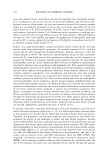
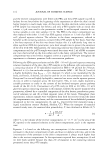
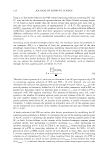
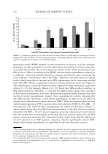
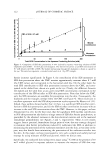
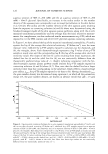
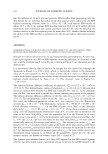
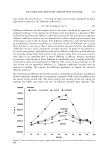
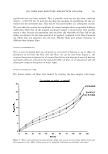
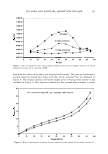
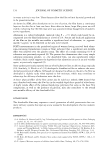
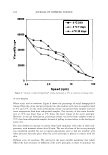
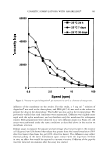
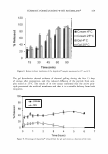
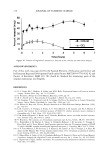
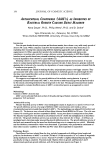
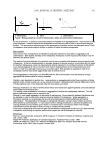
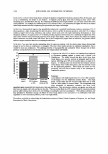
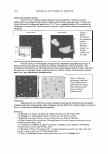
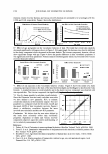
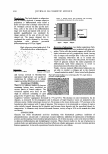
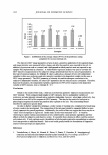
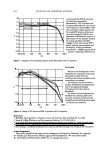
164 JOURNAL OF COSMETIC SCIENCE 80000 --a- 4 ° C 24 h --e- 4 ° C 7 days �4 ° C 30 days 60000 � · 40000 ·- 20000 0 0.5 2.5 10 100 Speed (rpm) Figure 2. Viscosity vs speed of Argireline® creams maintained at 4°C as a function of storage time. IN VITRO RELEASE Release assays with no membrane. Figure 8 shows the percentage of acetyl hexapeptide-8 released from the cream and gel excipient into the medium with time in samples stored at 4 ° C and 25 ° C. In the cream formulation, release was greater from samples stored at room temperature than from refrigerated samples. The viscosity of the cream formula tion at 25 ° C was lower than at 4 ° C hence the faster release of the active principle. However, in the gel formulation, percentage release was lower from samples stored at 25 ° C than from refrigerated samples, because of gelling as noted above in the rheological assays (22). The data showed an increase in release from both excipients with time at both tem peratures, with maximal release after 90 min. The rate of release of the active principle was considered suitable for use in topical preparations since it did not interfere with other processes that take place when the active principle is placed in contact with the skin. Diffusion across the membrane. We selected as the most suitable membrane that which offered the least resistance to diffusion of the active principle, in order to minimize the

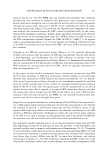
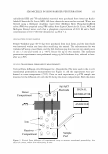
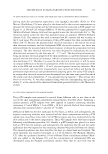
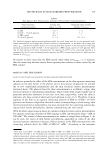
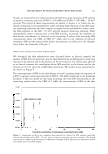
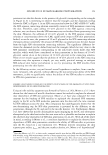
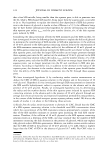
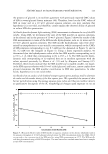
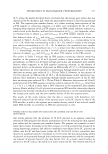
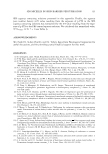
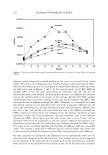
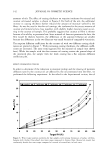
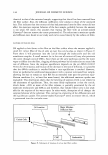
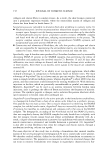
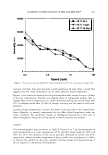
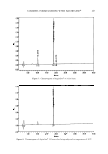
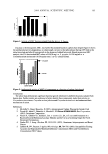
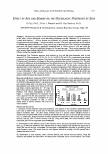
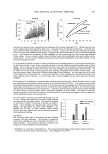
a. CJ � U) 0 CJ U) 60000 40000 20000 0 COSMETIC FORMULATIONS WITH ARGIRELINE® 165 -25 ° C24h -25 ° C 7 days --IE-25 ° C 30 days 0.5 2.5 10 100 Speed (rpm) Figure 3. Viscosity vs speed of Argireline® gel maintained at 25 ° C as a function of storage time. influence of the membrane on the results. For this study, a 5 mg ml- 1 solution of Argireline® was used as the donor phase, and PBS (pH 5.6) was used as the solvent to prepare the drug in the donor phase. This buffer was also used as the receptor phase. We previously verified that sink conditions were maintained. Diffusion was slightly more rapid with the nylon membrane, and we therefore used this membrane for subsequent studies. Both preparations were subjected to in vitro diffusion assays in a Franz cell. All assays were performed under the same conditions as described above in the section on membrane selection. Release assays to measure the amount and percentage of active principle in the receptor cell (Figures 9 and 10) showed that release was greater from the cream formulation (50% after five hours) than from the gel (20% after five hours). The difference may reflect thermal gelling of the latter formulation upon contact with tht clisptrsion meclium in vitro1 an effect that would be expected to increase viscosity. Diffusion of the peptide was first detected ten minutes after the essay was started.
Purchased for the exclusive use of nofirst nolast (unknown)
From: SCC Media Library & Resource Center (library.scconline.org)