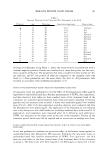
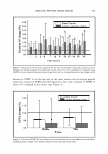
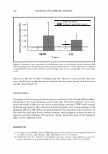
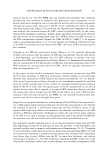
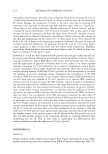
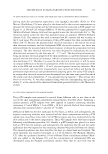
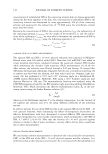
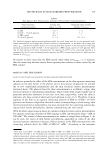
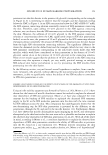
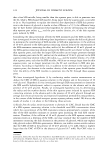
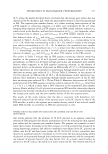
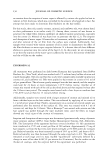
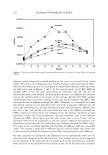
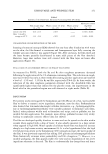
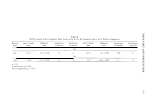
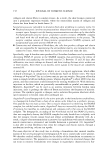
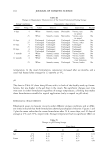
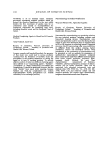
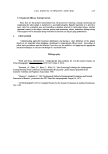
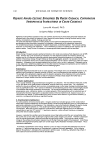
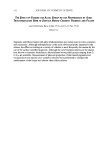
162 JOURNAL OF COSMETIC SCIENCE Table III Changes in Organoleptic Characteristics of the Cream Formulation During Storage Storage conditions Organoleptic characteristics Time Temp. (°C) Color Texture Odor Consistency Exudate 0 days 4 White Smooth, creamy Noticeable Viscous, easy No to spread 25 White Smooth, creamy Noticeable Viscous, easy No to spread 30 days 4 Unchanged Unchanged Unchanged Viscous, harder No 25 Unchanged Unchanged Unchanged Viscous, softer No 60 days 4 Unchanged Unchanged Unchanged Unchanged No 25 Unchanged Unchanged Unchanged Unchanged No 90 days 4 Unchanged Unchanged Unchanged Unchanged No 25 Unchanged Unchanged Unchanged Unchanged No 6 months 4 White Smooth, creamy Unchanged Viscous, harder No 25 White Smooth, creamy Unchanged Viscous, harder No 12 months 4 White Creamy, hard Unchanged Viscous, harder, Yes crust formation 25 White Smooth, creamy Unchanged Viscous, harder No temperature. In the cream formulation, consistency increased after six months, and a crust had formed after storage for 12 months at 4 °C. pH The data in Table IV show that pH was acidic in both of the freshly made up formu lations, but was higher in the gel than in the cream. No significant changes over time were seen in either formulation regardless of storage temperature, a finding that makes these formulations suitable for topical application (only in regard to pH value). RHEOLOGICAL CHARACTERISTICS Rheological assays to measure viscosity under different storage conditions and at differ ent times indicated that both formulations showed pseudoplastic behavior. Figures 1 and 2 plot the mean values for the cream formulation after 24 h, seven days, and 30 days of storage at 4 ° C and 25 ° C, respectively. Storage temperature had no significant effect on Table IV Changes in pH During Storage Time (days) pH 0 30 60 90 Gel 4 ° c 6.18 6.1 6.18 6.12 25 ° c 6.36 6 6.25 6 Cream 4 ° c 4.1 4 4.2 4.1 25 ° c 3.92 4 3.95 4.05

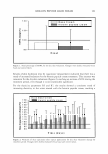
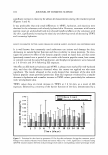
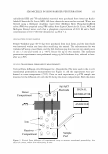
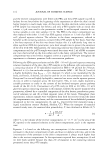
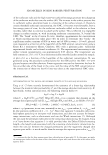
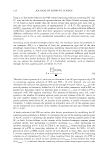
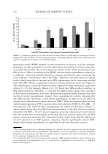
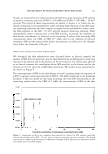
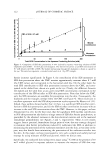
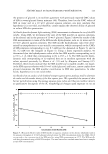
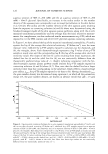
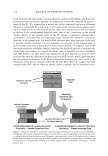
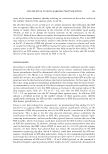
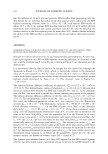
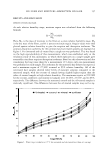
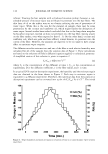
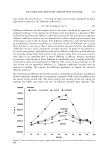
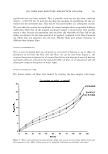
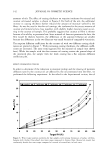
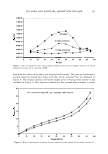
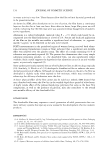
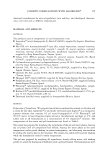
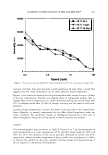
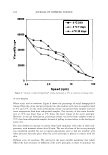
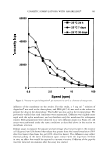
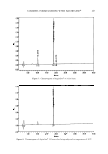
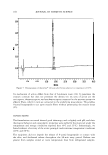
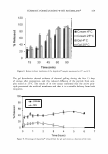
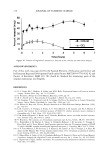
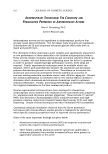
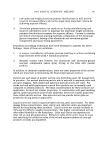
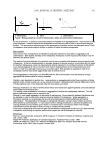
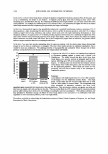
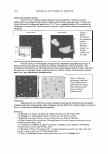
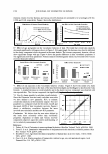
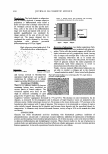
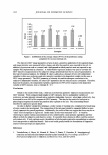
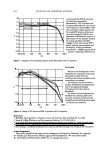
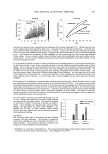
CJ � · ·s:CJ COSMETIC FORMULATIONS WITH ARGIRELINE® 163 80000 .---------------�������:::-, _,._ 25 °C 24 h -e---25 °C 7 days ---- 25 °C 30 days 60000 40000 20000 0 -+----+---+----+-------1----+----+-----+■---+----1 0.5 2.5 10 100 Speed (rpm) Figure 1. Viscosity vs speed of Argireline® creams maintained at 25 ° C as a function of storage time. viscosity, and shear rates were the same in both samples at all assay times, a result that suggests that the cream formulation can be safely stored at room temperature. Figures 3 and 4 show the findings for the gel formulation after storage for up to 30 days at the two temperatures. Viscosity was slightly lower in refrigerated samples than in samples kept at room temperature, as a result of thermal gelling (seen at low shear rate) (21). In samples tested after 30 days of storage, viscosity was the same at both tem peratures. At both storage temperatures, viscosity was lower in the gel than in the cream formu lation. However, in general, temperature did not affect either formulation under our study conditions. No significant changes in rheological characteristics were seen in either formulation during the 30-day period in which viscosity was studied. STABILITY The chromatographic data are shown in Table V. Figures 5 to 7 are chromatograms of acetyl hexapeptide-8 at room temperature (25°C) and after being heated to 40°C and 60°C for 24 h. The presence of the active principle decreased to 58.8% and 41 %, respectively, making extreme temperatures a factor to take into consideration in efforts to improve the stability of the active ingredient during storage and during heating, if this is required in the process of formulation.
Purchased for the exclusive use of nofirst nolast (unknown)
From: SCC Media Library & Resource Center (library.scconline.org)