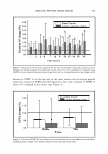
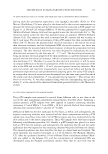
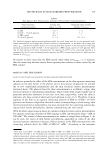
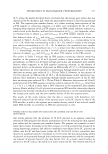
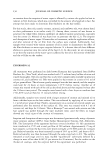
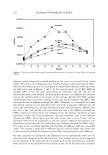
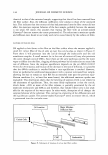
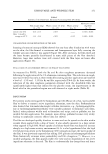
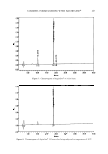
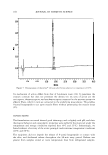
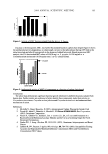
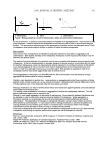
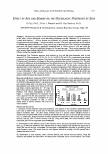
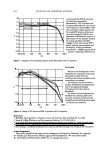
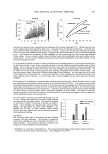
168 JOURNAL OF COSMETIC SCIENCE 15,00 2000 ltfnutes 25,00 30,00 35,00 Figure 7. Chromatogram of Argireline® 24 hours after being subjected to temperature of 60°C. 40,00 Its mechanism of action differs from that of botulinum toxin (24). It penetrates the stratum corneum but does not penetrate the dermis (5). Its sites of action are the nociceptors, thermoreceptors, and mechanoreceptors connected to the nervous system via afferent fibers, which in turn are connected to the underlying musculature. This enables 8-acetyl hexapeptide to act upon muscle fibers without penetrating the muscle tissue (25). CONCLUSIONS The formulations we tested showed good thixotropy and a slightly acid pH, and their rheological behavior and organoleptic properties were stable for the most part under the temperature and storage conditions reported here (4°C and 25°C). Interestingly, we found evidence of activity of the active principle under extreme temperature conditions (40°C and 60°C). The excipients did not impede the release of 8-acetyl hexapeptide or contact with the skin, and facilitated release throughout the 90-min assay period. Release was greater from samples stored at room temperature than from refrigerated samples.

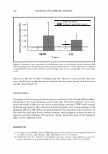
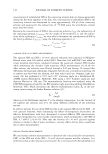
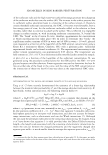
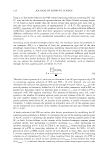
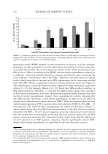
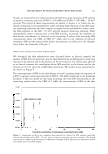
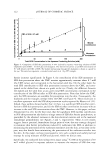
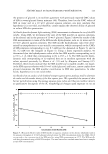
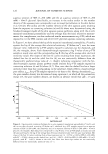
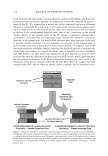
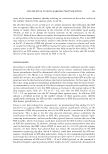
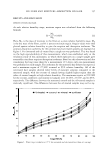
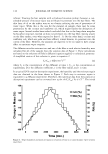
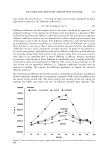
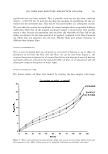
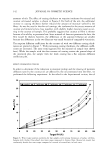
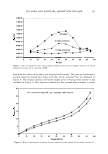
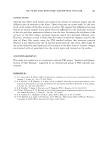
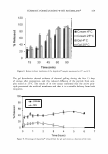
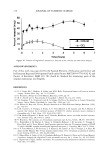
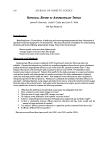
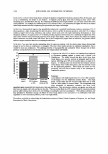
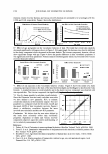
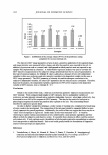
,, Cl) "' C'G "'i � 120 100 80 60 40 20 0 COSMETIC FORMULATIONS WITH ARGIRELINE® 169 15 30 45 Time (min) 60 90 ■ Cream 4° C D Cream 25° C Gel 4° C □ Gel 25° C Figure 8. Release without membrane of the Argireline® samples maintained at 25 ° and 4°C. The gel formulation showed evidence of thermal gelling during the first 15 days of storage after preparation, and this reduced diffusion of the peptide from sam ples stored at 25 ° C. The results of in vitro assays confirmed that the active prin ciple penetrated the artificial membrane and that it is a suitable delivery from both excipients. 100 80 -a-CREAM --l:r-GEL Q) 60 Q) 40 0 20 0 0 1 2 3 4 5 6 7 Time (hours) Figure 9. Percentage of Argireline® released from the gel and cream as a function of the time.
Purchased for the exclusive use of nofirst nolast (unknown)
From: SCC Media Library & Resource Center (library.scconline.org)