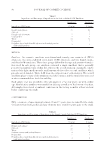
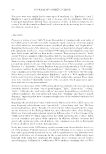
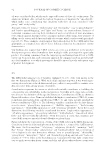
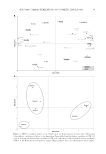
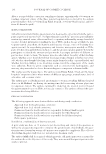
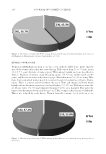
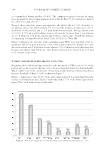
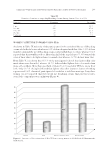
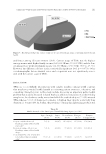
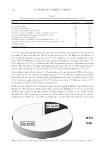
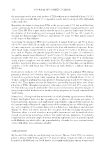
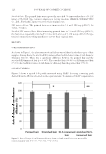
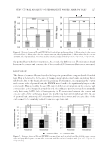
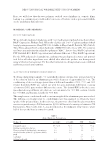
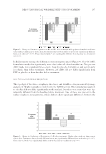
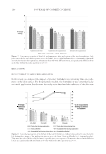
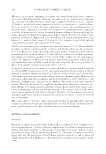
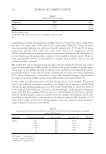
JOURNAL OF COSMETIC SCIENCE 108 or a nonmedical beauty product (30.8%). The commonest reported reasons for using these preparations were healing pigmented areas like freckles (75.8%) and just to lighten the color of the skin (20.6%). Figure 3 shows that these agents were applied to the whole body in 13.4% of regular us- ers whereas almost two-thirds of them (67.7%) used the products on their faces, 49.1% used them on their necks, and 25.2% used them on their hands. Among current users (n = 230), 8.7% had used bleaching creams continuously for more than 1 year whereas 26.1% of them has used them continuously between 7 and 12 mo. Overall the duration of continuing use ranged between 1 and 72 mo (8.1 ± 10.2) (Table III). Figure 4 illustrates the outcome of discontinuing using TPAs. Less than half of the re- spondents (44.3%) reported that the color of their skin returned to normal once they discontinued the use of bleaching creams whereas 27% of them reported that their skin became even darker than before use. Skin dryness and rash were reported by 20% and 9.6% of users, respectively. WOMEN’S KNOWLEDGE REGARDING USING TPAs Regarding the health knowledge–related to risks attributed to TPAs, only 30.2% of the participants could recognize that mercury is the most harmful chemical to human health, which could be one of the components of bleaching creams whereas cortisone was chosen by more than half of them (53.2%) as shown in Figure 5. Figure 6 demonstrates that 40.4% of the participants believed that misusing bleaching creams could harm their skin. Figure 7 shows that only 15.7% of the women agreed that using TPAs could harm their general health. Figure 3. Ski n areas for application of skin bleaching agents among the participants (n = 389).

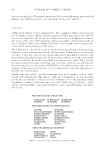
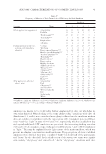
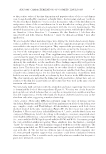
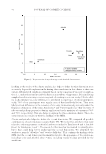
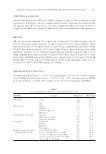
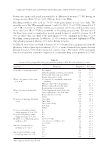
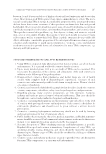
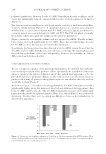
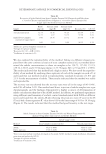
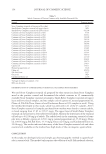
HEALTH KNOWLEDGE AND ATTITUDE REGARDING BLEACHING AGENTS IN WEST SAUDI ARABIA 109 WOMEN’S ATTITUDE TOWARD USING TPAs As shown in Table IV, minority of the participants (10%) considered the use of bleaching creams sold at herbal stores safe whereas 61% of them disagreed with that. Also, 9.3% of them would recommend the use of bleaching creams sold at herbal shops to others, whereas 70.2% reported that they would not do so. More than half of the respondents (55.3%) wanted the color of their skin to be lighter than its normal color whereas 26.7% did not want that. From Table V, it is shown that 45.5% of the participants believed that lighter skin color made them more beautiful, whereas 38.7% believed that lighter skin color made them more self-confi dent. More than one-third of them (36.2%) used skin TPAs to renew their look. Only 13.5% of singles believed that lighter skin color increases chances of fi nding a spouse and 9.6% of married participants believed that it stabilizes marriage. Sixty-three women (16.2%) reported that they would use bleaching creams that gave fast results, even if the components were unknown (Figure 8). Table III Duration of continuous usage ofng Bleaching Creams Among Current Users (n = 230) Duration Frequency Percentage 1 mo 27 11.7 2–6 mo 110 47.8 7–12 mo 60 26.1 12 mo 20 8.7 Unknown 13 5.7 Figure 4. Outc omes of discontinuation of skin TPAs use among women in Al-Madinah Al-Munawwarah, Saudi Arabia.
Purchased for the exclusive use of nofirst nolast (unknown)
From: SCC Media Library & Resource Center (library.scconline.org)