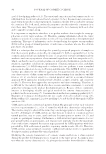
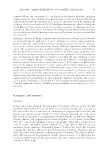
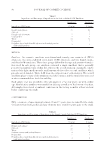
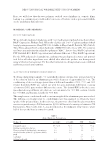
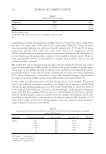
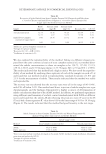
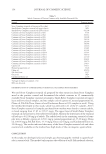
JOURNAL OF COSMETIC SCIENCE 86 METHODS Emulsions. Six cosmetic emulsions were formulated, namely, two water-in-oil (W/O) emulsions, two steric-stabilized oil-in-water (O/W) emulsions, and two liquid crystal– stabilized O/W emulsions. These three groups differed in the type and amount of emulsi- fi ers used. In each group, one emulsion contained a single emollient that is generally perceived as light in terms of skin feel, whereas the second emulsion contained a combi- nation of the light emollient and a small amount of olive oil as a second emollient, which provides a rich skin feel. Tables I–III show the composition of each emulsion. The overall emollient phase volume of the emulsions was held constant, and the emulsifi ers were used at the recommended use levels for stability. Each sample (2 g) was provided to the participants in a 3 g clear plastic jar with a white cap. Identifi cation numbers were marked on each cap as well as on the bottom of each jar. All samples were stored at ambient conditions in the testing room for at least an hour before conducting the study. CONSUMER PANEL Fifty consumers, of ages ranging between 18 and 55 years, were recruited for the study. Consumers from both genders and any ethnicity were invited to participate in the study. Table I I ngredients and Percentage of Ingredients in the Steric-stabilized O/W Emulsions Ingredient—INCI name Emulsion 1 Emulsion 2 % (w/w) % (w/w) Heptyl undecylenate 15 10 Olive oil — 5 Polyglyceryl-10-stearate 5 5 Cetyl alcohol 3 3 Water 71 71 Propanediol 5 5 Propylene glycol (and) diazolidinyl urea (and) methyl paraben (and) propyl paraben 1 1 Table II Ingredients and Percentage of Ingredients in the Liquid Crystal–Stabilized O/W Emulsions Ingredient—INCI name Emulsion 3 Emulsion 4 % (w/w) % (w/w) Heptyl undecylenate 15 10 Olive oil — 5 Water 75 75 Sorbitan stearate (and) sorbityl laurate 4 4 Propanediol 5 5 Propylene glycol (and) diazolidinyl urea (and) methyl paraben (and) propyl paraben 1 1

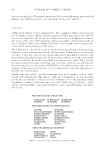
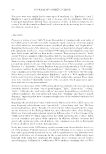
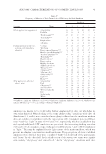
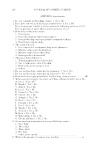
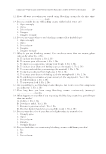
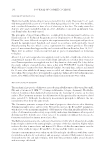
SENSORY CHARACTERIZATION OF COSMETIC EMULSIONS 87 The majority of the participants were female (78%). Eighty-four percent of the partici- pants were aged between 18 and 29. Ethnicities included Caucasian/White/European (58%), Asian/Pacifi c Islander (30%), and African American/African/Black/Caribbean (8%). An important note is that the majority of consumers (74%) were regular users of hand or body lotions. “Regular” was defi ned as product use at least two to three times a week. This study was approved by the University of Toledo Institutional Review Board (approval number IRB# 201211). CONSUMER TEST First, each consumer was asked to fi ll out a prescreening questionnaire to ensure they were eligible for the study. The prescreening questionnaire’s intent was to gather demo- graphic information, including age group, gender, and race/ethnicity and to identify any exclusion criteria, including skin rashes, calluses on hands/fi ngers, hypersensitivity, tin- gling in fi ngers, any medication use that affects senses, especially touch, and any previous allergic reactions or adverse reactions to any lotions or creams. In addition, the prescreen- ing questionnaire also gathered information about the regularity of skin care product use. If no exclusion criterion was identifi ed, consumers could participate in the study. After providing more details about the study and allowing the participants to ask questions, an informed consent form was signed by each participant. Participants were shown the CATA survey before actually completing it, and had the chance to ask if something was not clear or if they did not completely understand a term. Participants were asked to clean their forearms and hands with a mild skin cleanser of one of the leading brands to remove any products that were present on their skin before the study. After cleaning, they dried their skin thoroughly with nonfragranced, nonmoistur- ized, and nonsoftened absorbent paper towels. The six emulsions were presented to participants in individual plastic jars, and they were asked to evaluate each product on their forearm. Participants were instructed to apply the samples as they typically would in real-world conditions. They were also asked to apply different samples to different areas on their forearm to avoid product build-up or inter- ference between products. In addition, they were asked to fi ll out a paper-based CATA Table III Ingredients and Percentage of Ingredients in the W/O Emulsions Ingredient—INCI name Emulsion 5 Emulsion 6 % (w/w) % (w/w) Heptyl undecylenate 15 10 Olive oil — 5 Polyglyceryl-10-hexaoleate (and) polyglyceryl-6-polyricinoleate 1 1 Lauryl PEG-9 polydimethylsilcoxyethyl dimethicone 1 1 Water 77 77 Propanediol 5 5 Propylene glycol (and) diazolidinyl urea (and) methyl paraben (and) propyl paraben 1 1
Purchased for the exclusive use of nofirst nolast (unknown)
From: SCC Media Library & Resource Center (library.scconline.org)