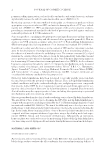
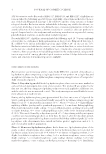
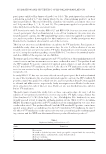
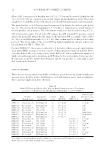
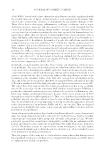
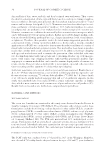
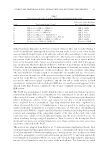
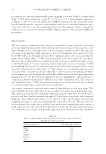
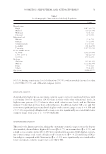
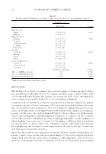
JOURNAL OF COSMETIC SCIENCE 52 DISCUSSION The fi ndings of our study concerning a representative sample of women among the Leba- nese population clearly showed that the cosmetic products usage is lower with a high self-esteem and being Muslim. By contrast, the greater the level of AO, the higher the socioeconomic status and the higher the total consumption of makeup. Commonly, the self-esteem of a woman is measured by the way she evaluates her appear- ance and accepts her self-perceived image (24). Our results showed that a high self-esteem was correlated with lower makeup use. This result might be explained by greater conve- nience in internal values or self-improvement/achievements than changes in external ap- pearance. In this sense, the study by Kim and Park (25) showed that people with negative self-esteem seek happiness through impulsive purchases of cosmetics. In fact, negative self-esteem can lead to self-denial, discontent, and high dependence on the judgment of others, leading to excessive use of cosmetics for the purpose of fi lling a feeling of inferior- ity and, therefore, to please others (26). Therefore, negative self-esteem seeks pleasure through makeup and the desire to turn negative emotions such as feelings of inferiority and depression into positive emotions. Moreover, this study’s results demonstrated that the AO was correlated with higher cus- tomary cosmetic usage, in line with previous fi ndings (27). It has been hypothesized that women with attractive faces place greater emphasis on their appearance than do their less attractive counterparts, but only at relatively low levels of self-oriented perfectionism. Table II Bivariate Analysis Taking the Customary Cosmetic Usage Total Score as the Dependent Variable Cosmetic score p-value Mean ± SD Marital status Single 27.65 ± 7.31 0.605 Married 27.85 ± 7.35 Education level Illiterate 26.25 ± 9.99 0.001 Primary 25.36 ± 7.49 Complementary 26.15 ± 7.45 Secondary 28.31 ± 7.35 University 25.82 ± 7.17 Ideology Christian 31.44 ± 6.72 0.001 Muslim 27.09 ± 7.41 Druze 28.35 ± 6.49 Others 29.68 ± 7.43 Socioeconomic status 1,000 $ 27.21 ± 7.42 0.001 1,000–2,000 $ 28.77 ± 6.97 2,000 $ 29.35 ± 7.84 Correlation coeffi cient p-value AE score (MBSRQ subscale) 0.134 0.001 AO score (MBSRQ subscale) 0.510 0.001 Rosenberg self-esteem score -0.047 0.032 Numbers in bold indicate signifi cant p-values.

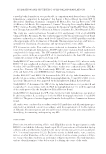
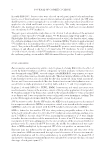
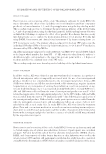
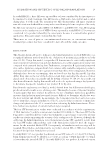
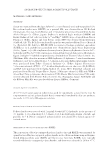
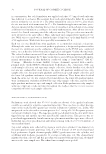
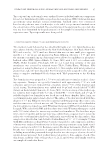
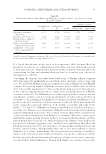
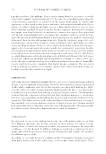
COSMETICS, SELF-ESTEEM, AND ATTRACTIVENESS 53 It is logical that the more people invest in their appearance (AO), the more likely the perception of cosmetics as a compensatory and decorative function. Individuals invested in their appearance are characterized as trying to modify or improve their appearance (by compensating for fl aws and adorning/enhancing their faces) and are very conscious of their appearance reference. Concerning the religion, our results showed that being of Muslim religion compared with Christianity was signifi cantly associated with a lower customary cosmetic usage total score. The worldwide Muslim population is rapidly increasing in Muslim and non-Muslim countries. The growing number of Muslim consumers in the world accounts for almost 20% of the world’s population (25). This is probably the main reason for the halal wave in the cosmetics industry that has led to a change in the purchasing behavior of Muslim consumers today (28). The halal market is not only targeting Islamic countries but also non-Muslim countries, and the increasing availability of such products has been an alternative to the growing global market (29). Despite the global availability of such products, the level of awareness of halal cosmetics is still low, which may explain the results obtained in our study. However, if the product is available and ready on the market, 57% and 37% of Muslims in Singapore and Indonesia said they will buy, re- spectively (30). However, recent generations of Muslim women focused on their education and gained high-paid job positions. This overload of money allows them to request more cosmetic products and improve their behavior as consumers. Moreover, certain reports fi nd Muslim women wearing the hijab harder to be recognized by friends and coworkers than women with no headscarf (31). Other fi ndings on the infl uence of the hijab on the perception of a woman’s appearance also considered it as a modulator that affects the female facial attractiveness (32). For the purpose of reducing this visual homogeneity and beautify exposed features, Muslim females may tend to wear more makeup to express themselves as a “unique” human being. The association between makeup use and the re- ligion is still controversial more studies are needed to evaluate this correlation in depth. Finally, our results showed that women belonging to a higher socioeconomic status were associated with a higher makeup use. Women with a high socioeconomic status tend to Table III Multivariable Analysis: Linear Regression Taking the Customary Cosmetic Usage Total Score as the Dependent Variable Unstandardized β Standardized β p-value Confi dence interval Lower bound Upper bound Appearance orientation (AO) score 0.559 0.528 0.001 0.520 0.598 Rosenberg self-esteem score -0.210 -0.126 0.001 -0.271 -0.148 Muslim religion compared with Christianity -1.392 -0.083 0.001 -2.003 -0.780 High socioeconomic status compared with a low one 2.189 0.073 0.001 1.078 3.300 Intermediate socioeconomic status compared with a low one 0.990 0.055 0.003 0.328 1.651 Variables entered: Appearance evaluation (AE) score, AO score, Rosenberg self-esteem score, marital status, Socioeconomic status (SES), ideology, education level.
Purchased for the exclusive use of nofirst nolast (unknown)
From: SCC Media Library & Resource Center (library.scconline.org)